
The 8 People Skills Every Student Needs Before Their First Job Interview
- The job interview is the first moment most students face a high-stakes interpersonal evaluation with a stranger. Most of them have never practiced the specific skills it requires.
- The 8 people skills that matter most in an interview are all teachable: they are observable behaviors, not personality traits.
- Hiring managers consistently report that candidates fail at interpersonal skills, not technical ones. The technical bar gets cleared. It's the handshake, the eye contact, the listening, and the ability to ask a good question that separate the candidates who advance.
- Boost's interview series was developed after a client request, and adult hiring managers who participated said these students were better than most of the real candidates they interview every day.
- These 8 skills don't just apply to the interview. They are the foundational people skills that determine how students are perceived in every high-stakes interpersonal situation for the rest of their lives.
Skill 1: A Real Smile
There is a difference between a real smile and a performance of a smile. Hiring managers and experienced interviewers know the difference in about 300 milliseconds. A real smile, what psychologists call the Duchenne smile, involves the muscles around the eyes and can't easily be faked. Students who practice genuine warmth, rather than performing positivity, make a fundamentally different impression.
This skill starts before the interview begins. The student who walks in the door with genuine ease and warmth communicates something the nervous, performance-mode candidate doesn't. The room shifts. The interviewer relaxes. The conversation opens differently.
Teaching this skill isn't about telling students to smile more. It's about helping them understand that warmth is a skill they can develop and deploy intentionally, not a mood they either happen to be in or aren't.

Skill 2: Confident Eye Contact
Most students who struggle with eye contact during an interview don't know it. They've never seen themselves in high-stakes conversation and don't realize how much they look at the floor, the wall, or anywhere but the interviewer's face.
Confident eye contact doesn't mean staring. It means the kind of sustained, natural attention that signals: I am here, I am present, and I take this conversation seriously. Students who practice this skill (peer-to-peer video exercises are the most effective method, watching yourself back fixes in ten minutes what coaching alone can't fix in an hour) report that it feels unnatural at first and then becomes a default.
Skill 3: An Enthusiastic Greeting
The first ten seconds of an interview determine a disproportionate amount of what follows. An enthusiastic, confident greeting, firm handshake, direct eye contact, genuine warmth in the voice, sets a tone that the rest of the interview rides on. The opposite, a mumbled hello and a limp handshake, digs a hole the candidate often can't get out of, even if their answers are strong.
This skill is entirely learnable. Students who have never practiced a professional greeting simply haven't practiced it. One session of deliberate practice, with feedback, produces visible improvement. Five sessions makes it automatic.
Skill 4: Use Their Name
"Thank you, Ms. Johnson" lands differently than "thank you." Using someone's name in conversation signals that you noticed them as an individual, that you were paying attention, and that you treat social interaction with intentionality. It is a tiny behavior with an outsized effect. Most students never do it, not because they're rude, but because no one ever told them to do it and showed them what it looked like.
At Boost, "Say Their Names" is a named skill for exactly this reason. The behavior is specific, learnable, and immediately applicable in an interview context.
Skill 5: Ask Great Questions and Listen
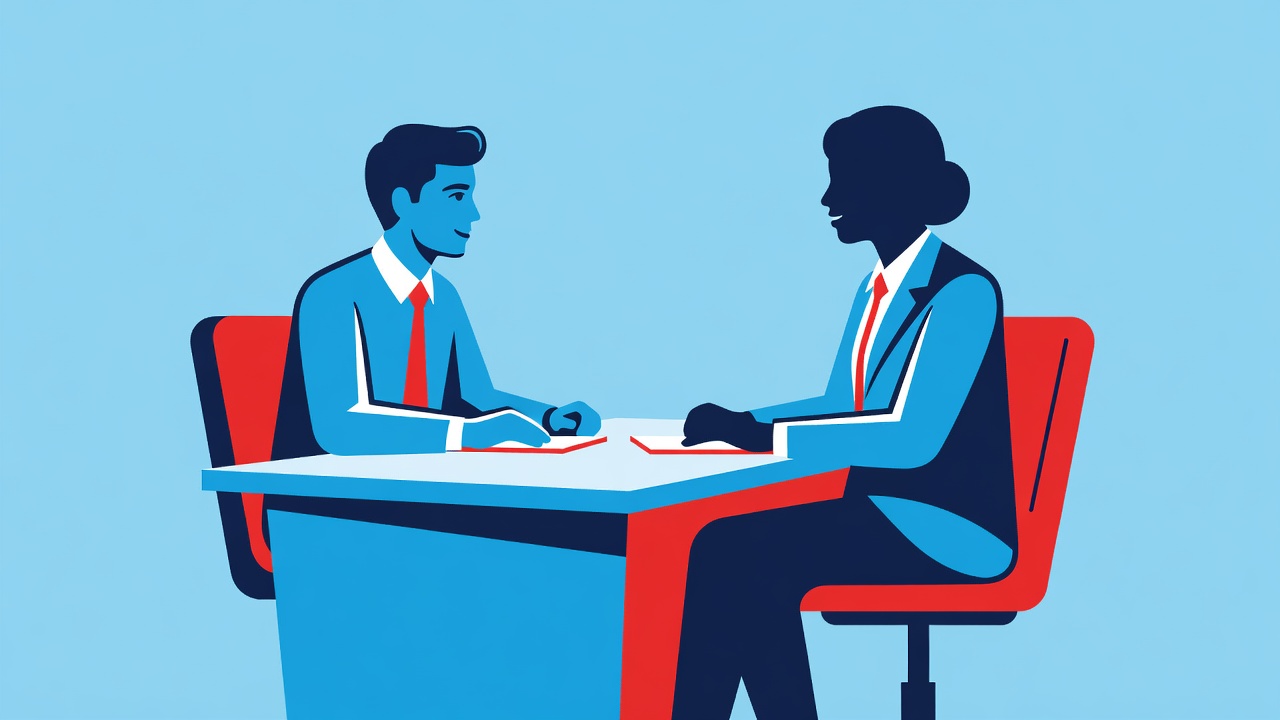
The interview question "Do you have any questions for us?" is the most underused opportunity in the entire process. Most students say something generic or say no. The candidate who has researched the organization, thought about what actually matters to them, and asks a specific, intelligent question signals something most other candidates don't: genuine curiosity and preparation.
But the question is only half of this skill. The other half is listening to the answer. Students who ask a question and then clearly don't absorb the answer (because they're already mentally preparing their next statement) waste the opportunity. Students who listen genuinely, nod, follow up, and demonstrate that they absorbed what was said build the kind of connection in an interview that most candidates never achieve.
Skill 6: Read Body Language
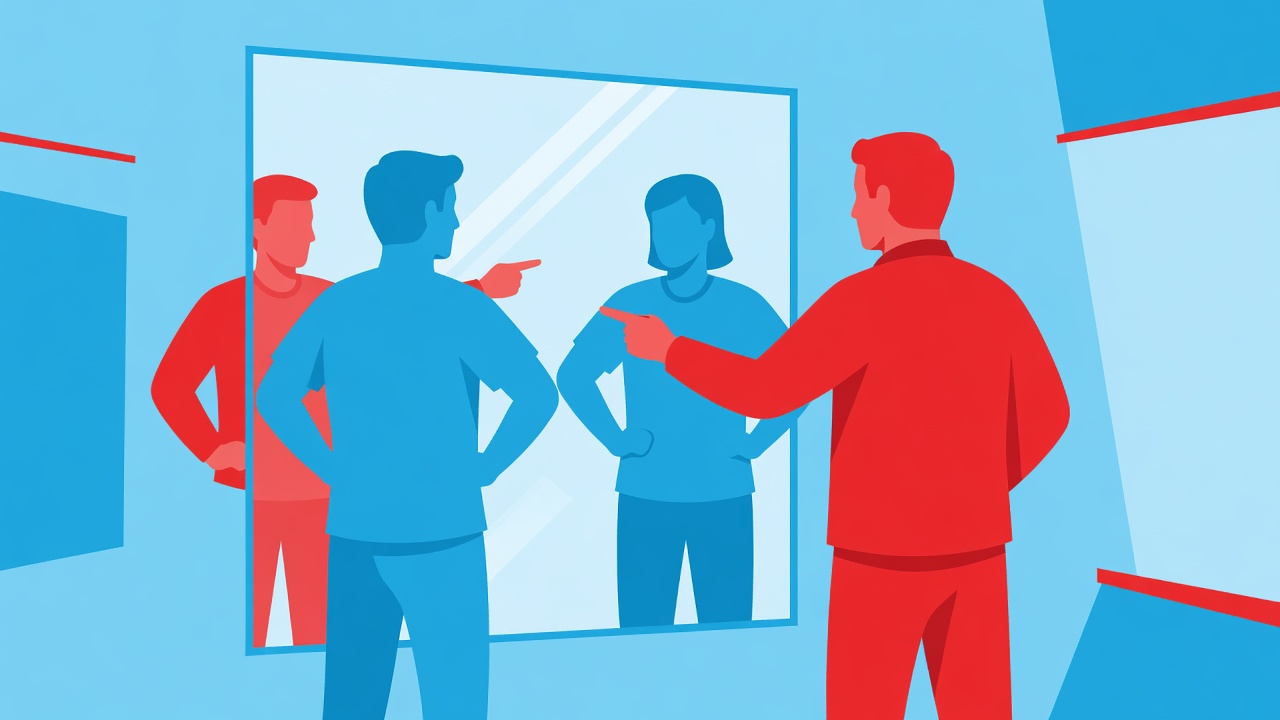
An interviewer who is leaning forward, maintaining eye contact, and engaging with what the candidate says is giving clear signals. An interviewer who has gone slightly flat, who is checking a clock or a phone, or who has shifted their body away is giving different signals. Students who can read these cues in real time can adjust: add energy, change direction, wrap up an answer that's gone on too long. Students who can't read them keep talking into an increasingly disengaged room.
Body language reading is a skill. It can be taught through practice with specific scenarios. Students can be coached to name what they're seeing and what it signals, and to calibrate their behavior accordingly.
Skill 7: Give a Genuine Compliment
A genuine compliment, given at the right moment in an interview context, is memorable in the best way. "This office setup is really thoughtful, I noticed how you've organized the team space" or "I've been following what you're doing with the mentorship program since I read about it, that kind of initiative is part of why I was excited about this role" are not flattery. They are specific observations that show the candidate was paying attention, did their research, and noticed details that matter.
The keyword is genuine. Students who learn to give compliments from an honest place, rather than as a social tactic, develop a skill that strengthens every relationship they build. Boost teaches this because it's one of the most underused and most effective interpersonal tools a person can have.
Skill 8: Say Thank You, and Mean It
A thank-you after an interview, expressed genuinely in the room and followed by a brief written note, is remembered. Most candidates don't do it. The ones who do stand out immediately. But the skill isn't just the thank-you. It's the quality of it. A specific "Thank you for taking the time today, I really appreciated the question about how I handle pressure, it helped me think through how I want to frame that going forward" is entirely different from a generic "thanks for meeting with me." The specificity signals that the candidate was genuinely present.
What Happens When Students Practice All Eight
The Boost interview series includes a three-part structure: an assembly where students learn the 7 core interview skills, a peer-to-peer video exercise where students watch themselves, and a mock interview with a real hiring manager from the community. The outcome data speaks for itself: adult hiring managers said these students outperformed most of their real candidates.
That result isn't about the quality of the students. It's about the quality of the preparation. Students who have been taught these skills explicitly, who have practiced them with feedback, and who have done a real mock interview are genuinely more prepared than candidates who haven't.
Frequently Asked Questions
Why do students fail job interviews even when they're qualified?
Most interview failures happen on interpersonal skills, not technical ones. Candidates clear the technical bar regularly. What separates them afterward is eye contact, listening, asking good questions, the confidence of their greeting, and their ability to make a genuine connection in a short amount of time. These skills are teachable but are almost never taught explicitly.
How early should students start practicing interview skills?
The earlier the better, but the junior and senior years of high school are the optimal window. Students are developmentally ready to understand what professional contexts require, and the window is still open for these skills to become comfortable defaults before they face their first real interview.
What is the most effective way to practice interview skills?
Peer-to-peer video recording is the most effective single method. Students interview each other, watch themselves back, identify exactly what they want to change, and practice again. Most students fix in one viewing what coaches haven't been able to address in multiple sessions of direct feedback. Seeing yourself is different from being told.
How does Boost teach interview skills?
Through a three-part add-on program: a full-grade assembly that teaches seven core interview skills in an engaging, high-energy format; a peer-to-peer video exercise where students interview each other and watch themselves back; and a mock interview with real hiring managers from the community. The mock interview component consistently produces feedback that these students were better than most adult candidates the hiring managers actually interview.
What's the single most important interview skill to teach first?
The confident greeting. It shapes the entire rest of the interaction. A student who walks in with a firm handshake, direct eye contact, and genuine warmth in their voice creates a positive first impression that the interviewer spends the rest of the conversation confirming. A student who shuffles in and mumbles creates a negative first impression that their answers have to overcome. The greeting is learnable, it's specific, and it has an outsized effect.