How to Assess Soft Skills Without Giving Students Another Test
- Most schools have no standard way to measure soft skills. Urban Institute researchers wrote in March 2025 that no established norms define proficiency outside core academic subjects.
- In a 2025 survey of 550+ employers, 85% said durable skills come mainly from work or life experience, and only 12.1% said formal coursework. Employers themselves assess these skills with interviews (69.2%) and demonstrations (60%), not tests.
- Self ratings alone are shaky. A small 2025 pilot of 68 second graders found only low to moderate agreement between teacher ratings and student scores, which is why a second rater matters.
- A workable approach has three parts: a baseline with a student and an adult rater, observation of specific behaviors, and a green, yellow, red rating that ends in a plan.
If you want to know how to teach soft skills well, start by deciding how you will know it is working. Most administrators we talk with hit the same wall: the skills matter, but nobody wants to hand students one more test, and nobody agrees on what a passing score would even mean. We think that wall is smaller than it looks. By soft skills we mean the behaviors, such as listening, reliability, and handling feedback, that determine how a person uses what they know. Behaviors can be observed, rated, and practiced, which means they can be assessed without a bubble sheet. Here is what the evidence says about measurement, the tools we use at Boost, and where the limits are.
Why Soft Skills Are Hard to Assess in Schools
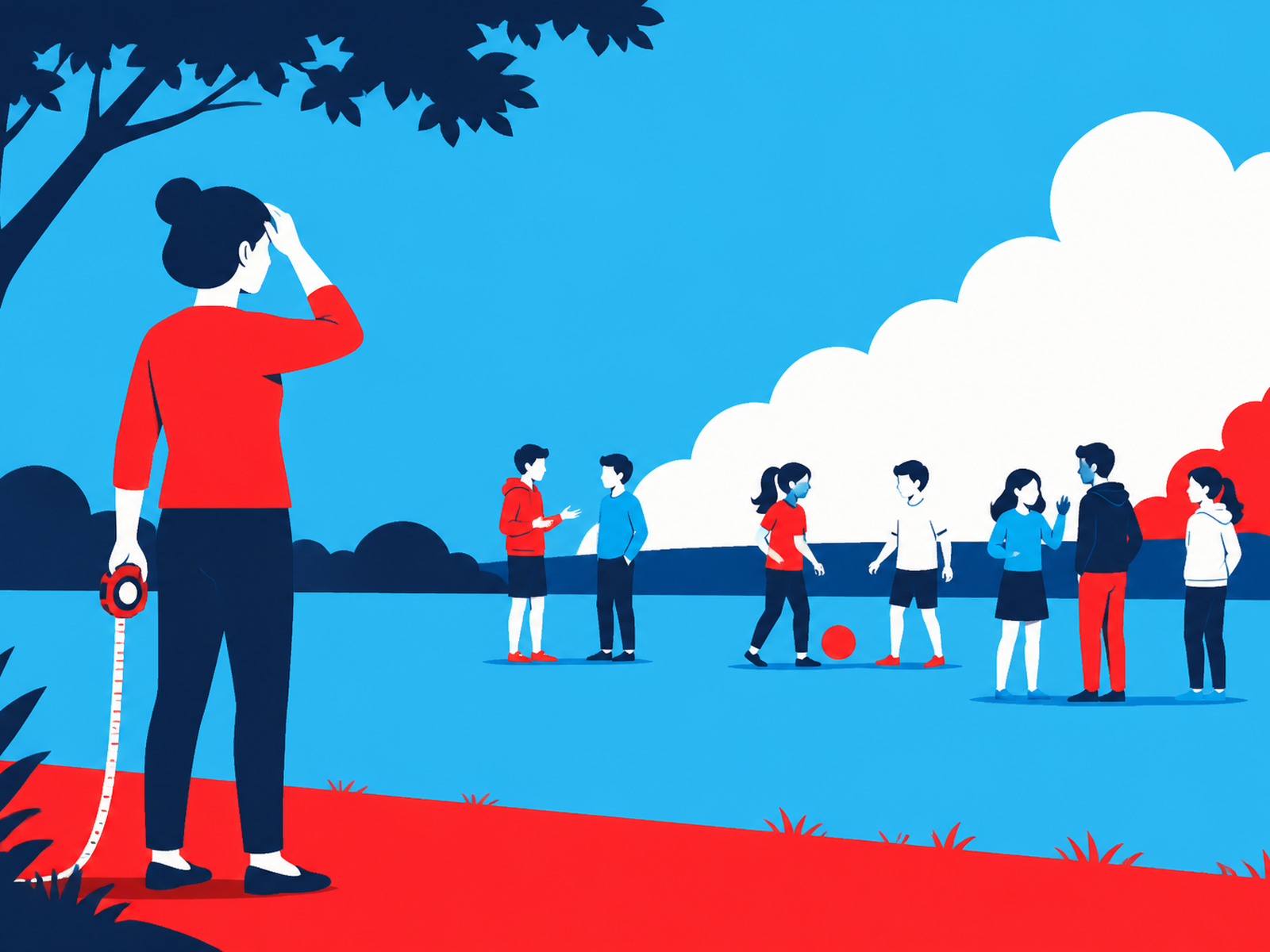
Schools struggle to assess soft skills because there is no shared yardstick for them. In a March 2025 Urban Institute post, Fanny Terrones and Maggie Reeves wrote that few in-school measures exist and that "no established norms define proficiency" beyond core academic subjects. Teamwork, for example, has no standard measure. They also warned that more tracking burdens students and educators Urban Institute.
States are starting to build one. North Carolina announced in September 2025 that it received a nearly $4 million federal grant to pilot a "Skills for the Future" project with partners including ETS and the Carnegie Foundation. The aim is skills transcripts for 6,000 students, built from performance tasks rather than multiple-choice items. State Superintendent Maurice Green said the goal is to "lead the nation in measuring the skills students need to thrive" after graduation, per the NC Department of Public Instruction.
The serious work is moving toward tasks and observation. Your school does not have to wait for a state system to start.
How to Teach Soft Skills Starts With a Baseline
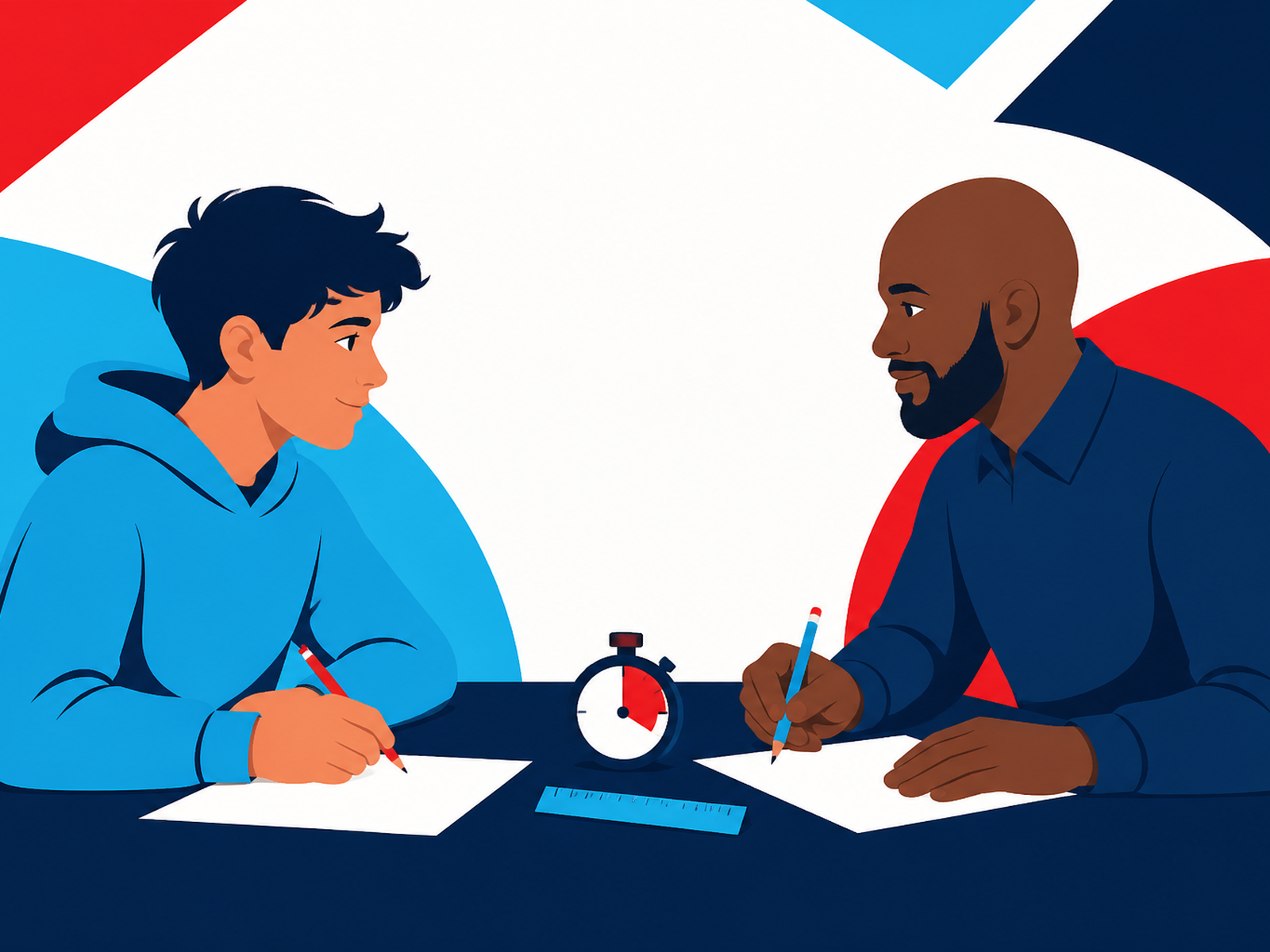
A baseline tells you where each student starts, and it makes every later conversation concrete. At Boost we use a pre and post self assessment called Striving to 100. Both the student and a "sponsor," an adult mentor such as a parent, coach, or teacher, rate the student on a 1 to 5 scale across about 20 skill questions [Internal: Boost Brand Bible v2]. The questions cover behaviors like greeting people, using names, eye contact, listening, giving compliments, honesty, empathy, apologizing, gratitude, goal-setting, reframing negative thoughts, and technology use [Internal: Boost Program Research Paper]. Students take it at the start and again at the end, together with the sponsor.
Why two raters? Because one view is rarely the full picture. A 2025 pilot in Frontiers in Psychology compared teacher ratings with student scores for 68 second graders and found low to moderate agreement, with correlations ranging from about 0.11 to 0.36, as reported by Kogler and colleagues. That is a small study of much younger children, so we treat it as a caution, not a rule. The gap between two ratings is where the useful conversation starts. It is a prompt for a talk, not a grade.
Observation Beats Testing for Soft Skills
Observing a specific behavior tells you more than asking a student to describe it. Employers already know this. In the 2025 UpSkill America survey for Western Governors University, 550+ U.S. employers reported assessing durable skills through structured interviews (69.2%), skills demonstrations (60%), and formal assessments (56%), according to the WGU and UpSkill America report. You can borrow that logic. Write each skill as a behavior a coach or teacher can see in thirty seconds:
- Eye contact: looks at the person while they speak and while responding.
- Names: uses the other person's name within the first exchange.
- Listening: asks one follow-up question that builds on what was just said.
- Apologizing: says what happened and says sorry, without a "but."
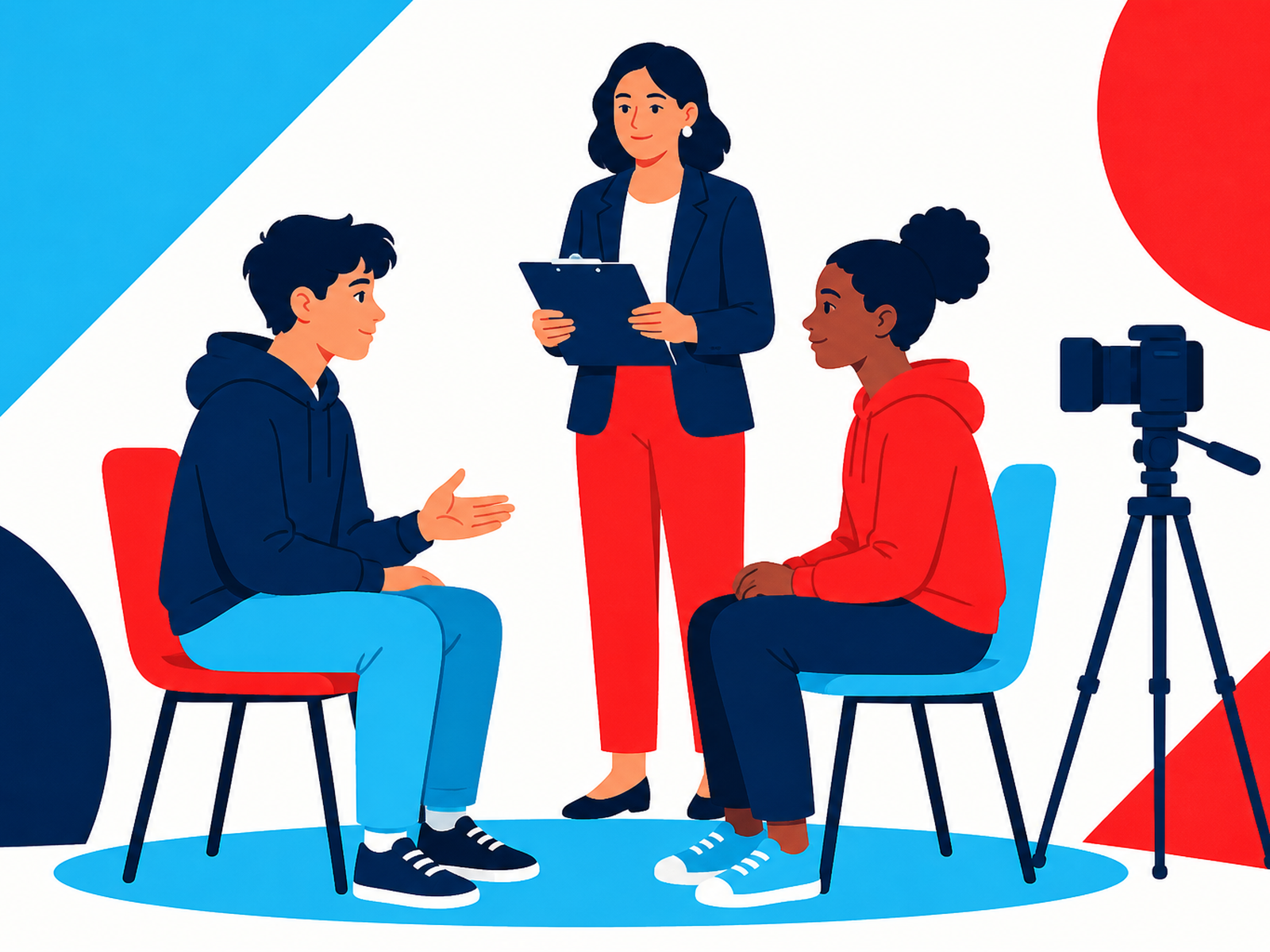
Then watch students do it. Our mock interview program puts students across from real adults who hire at their companies, and in peer rounds students record each other and watch the video back. In our experience that replay is the most powerful part, because students fix in ten minutes what a coach could not fix in an hour of telling them [Internal: Boost Bible]. Hiring managers who took part told us, "These students were better than most of the real interviews we do." That is a small, informal signal, not a study.
For more on building lessons around doing, see our piece on practice beating lecture.
The Green, Yellow, Red Rating and How to Teach Soft Skills After It
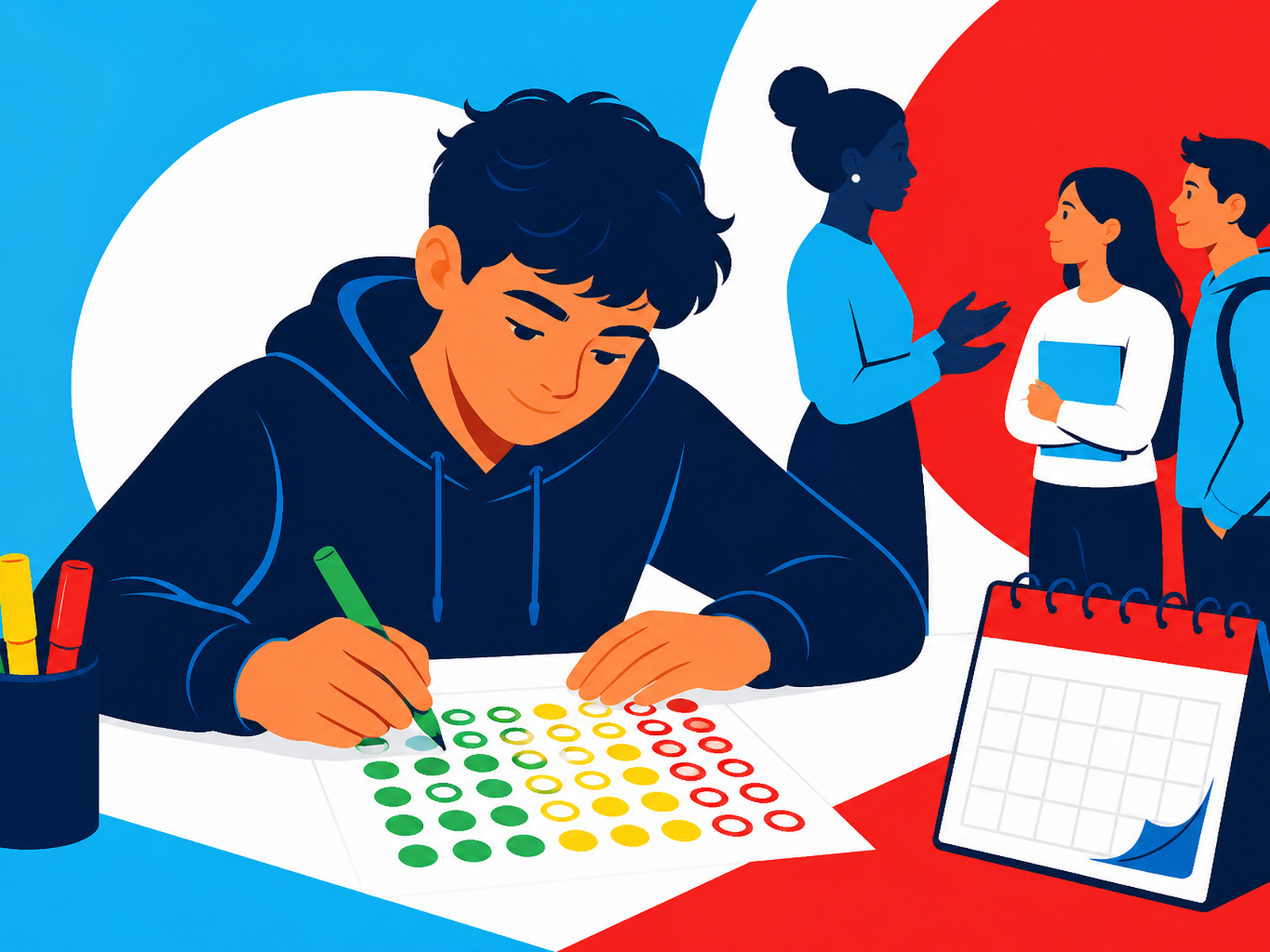
A green, yellow, red rating turns an assessment into a plan, which is the point of assessing at all. On the last day of Boost, students receive a rating worksheet listing all 26 skills. They color each one green (strong), yellow (okay but can improve), or red (needs a lot of work). No two worksheets look the same [Internal: Boost Bible].
The worksheet does not end with the colors. It ends with a game plan:
- Green skills: lean into them and use them on purpose.
- Yellow skills: pick the top two and focus on them for 30 days.
- Red skills: pick just one and commit to one small daily practice.
That limit is deliberate. A student who sees a page of reds and tries to fix them all will fix none. One red and one tiny daily habit is a plan a sixteen-year-old can actually keep. It also supports what we call the foundation idea: Level 1 skills, such as greetings and listening, come before Level 2 skills, such as conflict resolution, much like basic math comes before algebra [Internal: Boost Brand Bible v2].
Notice what the rating does not do. It does not label a student as someone who lacks a trait. The core belief behind Boost is that life is skill-based, so a red is just a skill that has not been practiced yet. Students are not broken, they are untaught. Our post on the self-awareness skill most teenagers are never taught goes deeper on why honest self-rating is itself a skill.
What This Evidence Does Not Say
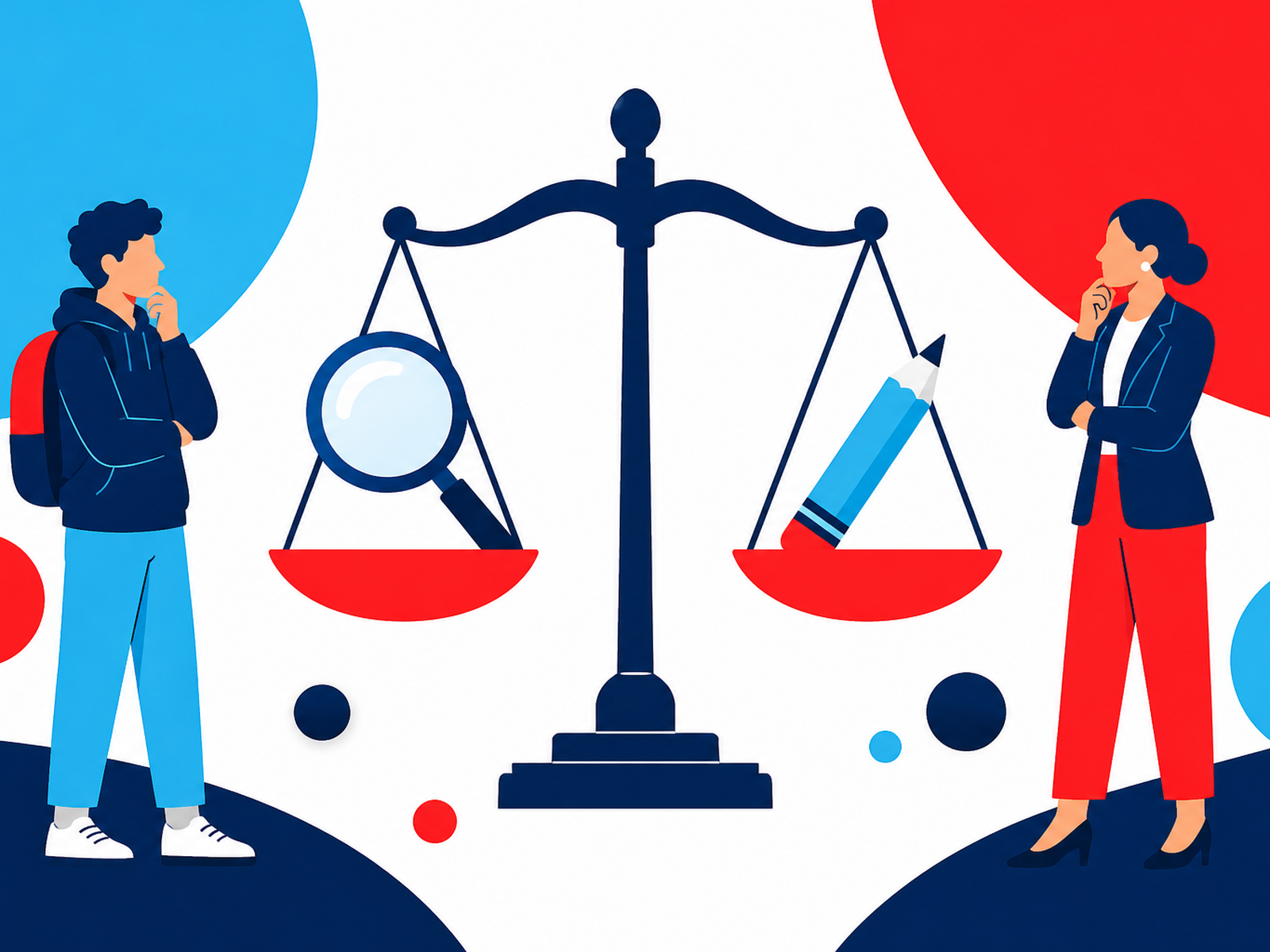
The evidence does not show that any single rubric, rating, or worksheet is a validated measure of soft skills. The Urban Institute authors say outright that norms do not exist. The employer survey describes how employers assess candidates, not how well those methods predict job performance. The Frontiers pilot involved second graders in Austria, not high schoolers in your building.
Our own numbers carry the same limits. In a pilot of about 30 students, roughly 87% finished the 8-week program saying they understood that a specific set of skills lets a person get what they want in life, up from 20% on day one. That is self reported and small, and Striving to 100 is a self assessment, not independent outcome data [Internal: Boost Bible]. Independent evaluation, with teacher and parent observation and longer follow-up, is still a gap we would like to see filled [Internal: Boost Program Research Paper].
Use these tools to start conversations, set goals, and show growth, not to sort students. A high-stakes rating gets inflated by students who want to look good.
A Simple Assessment Cycle for Your School Year
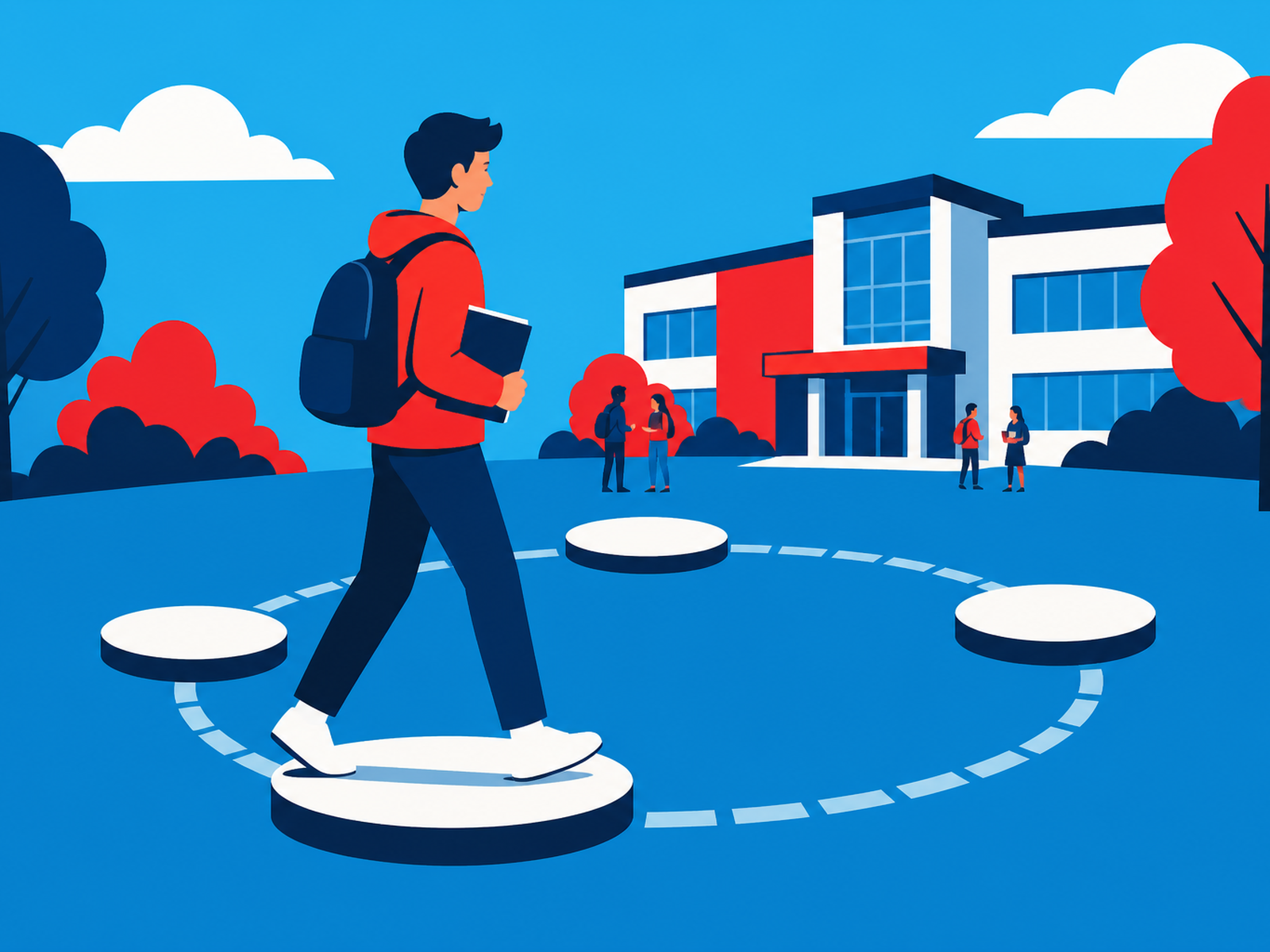
A workable cycle has four steps, and none of them is a test. Here is how we would set it up.
- Baseline. At the start, have each student and one adult sponsor rate about 20 behaviors on a 1 to 5 scale. Discuss the gaps.
- Observe. Pick a few behaviors per month and watch for them during practice rounds, peer role-plays, and ordinary classroom moments. Use a short checklist, not a grade.
- Rate and plan. Have students color their skills green, yellow, or red, then choose two yellows and one red to work on for 30 days.
- Repeat. Retake the baseline at the end of the term and compare. Celebrate movement, and keep the numbers out of grade calculations.
Observation lives inside lessons you already teach. Our guide on how to measure whether your soft skills program is working covers what to track at the program level.
If you would like to see how these tools fit your calendar, you can schedule a discovery call and we will walk through them with you.

Frequently Asked Questions
How Do You Assess Soft Skills Without a Test?
Observe specific behaviors during practice, such as eye contact or a sincere apology, and pair that with a self rating and an adult rating. Employers do the same: in the 2025 WGU survey, 60% used skills demonstrations and 69.2% used structured interviews.
What Is Striving to 100?
It is a Boost pre and post self assessment where a student and an adult sponsor each rate the student from 1 to 5 across about 20 skill questions. It is meant as a baseline and a conversation starter, not a grade.
Should Soft Skills Be Graded?
We do not recommend it. Ratings that count toward a grade invite inflated answers, and the evidence for any single measure is still thin. Use ratings for goals and growth instead.
How Often Should Schools Reassess?
A baseline at the start and a retake at the end of a term works well, with a 30 day practice window in between. More frequent formal ratings add burden without much information.
References
- Urban Institute: Creating New and Better Ways to Measure the "Soft Skills" Students Need to Succeed
- NC Department of Public Instruction: Skills for the Future Initiative Kicks Off
- Frontiers in Psychology: Digitally Assessing Social-Emotional Skills in Early School Years
- UpSkill America and WGU: Durable Skills, Strong Starts
- Practice Beats Lecture: Designing Soft Skills Lessons Students Do, Not Just Hear
- The Self-Awareness Skill Most Teenagers Are Never Taught
- How to Actually Measure Whether Your Soft Skills Program Is Working
Ready to bring Boost to your school?
Schedule a discovery call to see how the Boost curriculum fits your students.
Schedule a Discovery Call