Patience Is a Skill: Teaching Students to Wait, Listen, and Not Quit
- Patience reads as a personality trait, but the most famous research on waiting shows children used learnable strategies such as distraction and self-talk. The researcher behind it said self-control "could be enhanced, taught and learned."
- A 2024 preregistered study of 702 people found preschool waiting was not strongly predictive of adult achievement, health, or behavior. Patience is not destiny.
- In a May 2025 survey of 1,000 U.S. hiring managers, 78% said recent graduates spend too much time on their phones, and 60% said they turn in assignments late.
- In a fall 2025 Pew survey of 1,458 U.S. teens, 36% said they use at least one of five major platforms almost constantly.
- Waiting, listening, and not quitting are behaviors students can practice in short, repeated drills. We have no independent outcome data on teaching them, and we say so below.
Ask a teacher about a student who interrupts, gives up after one failed attempt, or cannot sit through a slow conversation, and you will hear "he's just not patient." That phrase treats a skill as a trait. If you are looking for soft skills for students that show up everywhere, from classroom discussion to a first job, patience belongs near the top. By soft skills we mean the behaviors, such as listening, self-control, and persistence, that decide how a person uses what they know. Here is what the research says about waiting, what the surrounding evidence does and does not show, and how we teach it.
Why Patience Looks Like a Personality Trait
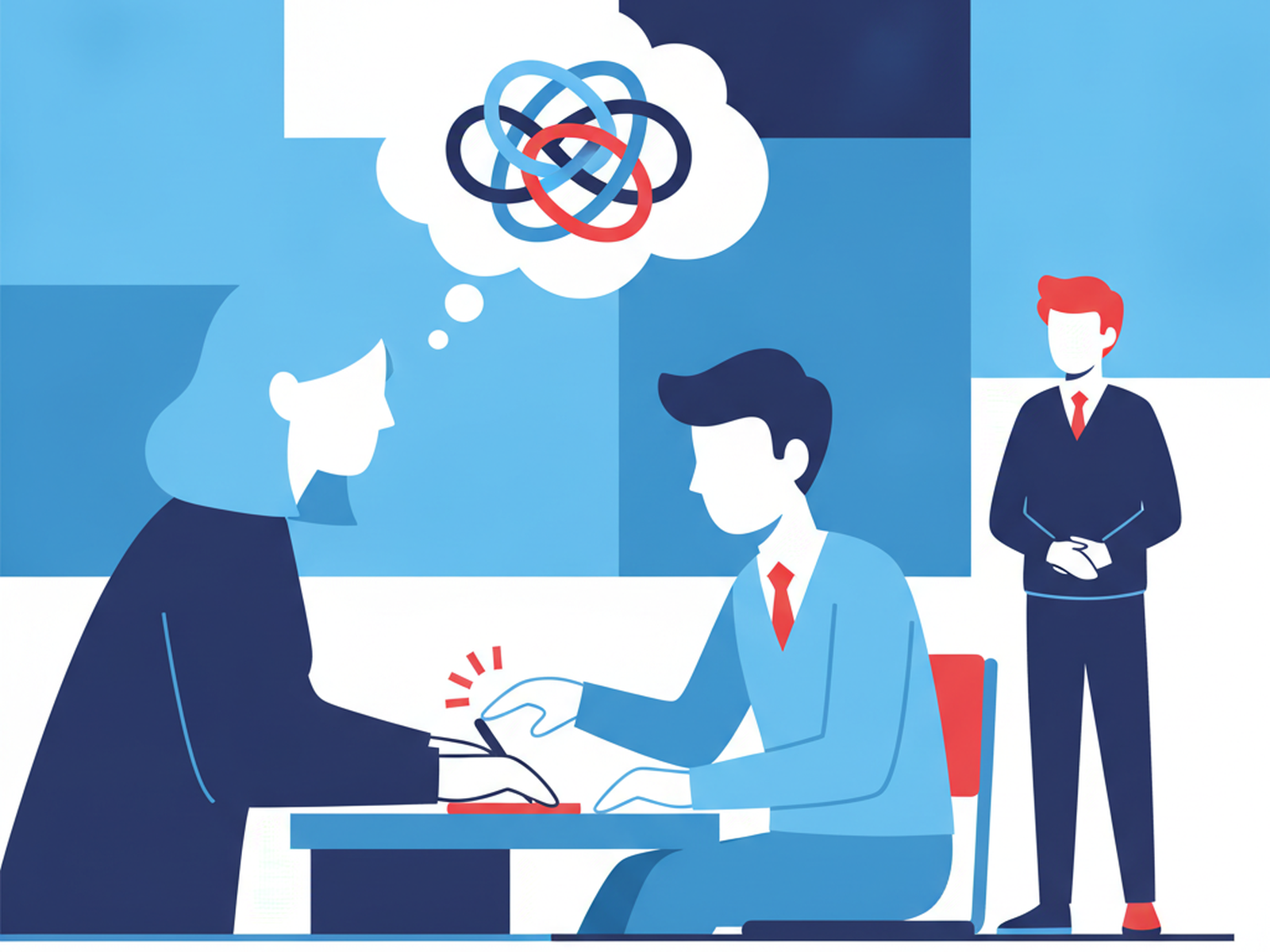
Patience looks like a trait because we only notice it when it is missing, and we rarely see anyone teach it. A student who waits calmly looks naturally calm. A student who blurts out looks naturally impulsive. Nobody saw what either one practiced.
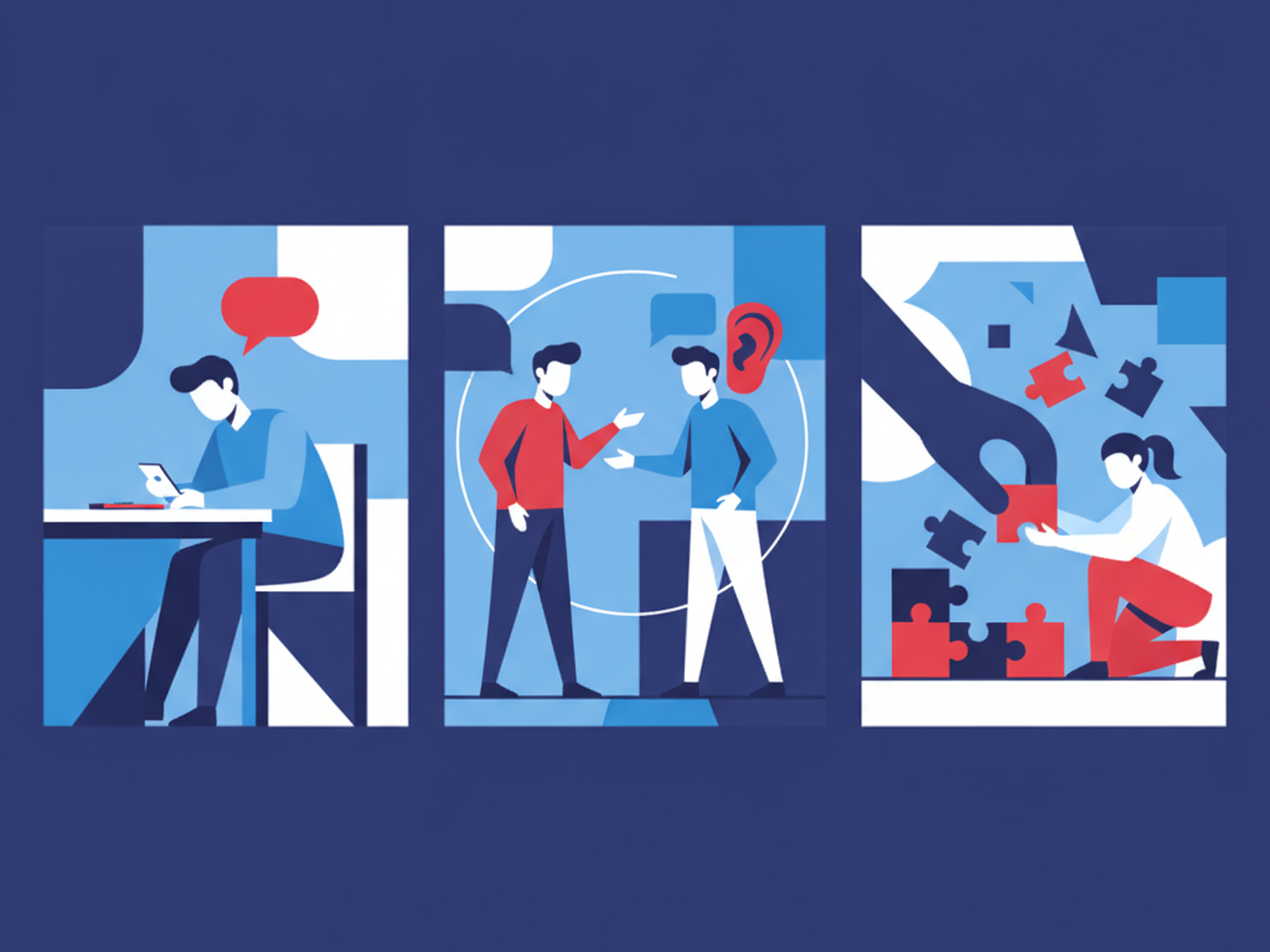
We start from a different belief at Boost: life is skill-based, and the things that decide how people get along and get ahead are learnable, not fixed [Internal: Boost Brand Bible v2]. Students are not broken. They are untaught. Patience is a good example, because it is really three behaviors packed into one word: waiting without distraction, listening without interrupting, and staying with something hard after the first failure.
Each of those maps to a named skill in our framework. Listening and asking questions sit in the people skills leg. Grit and "struggle to grow" sit in the healthy mindset leg [Internal: Boost Program Research Paper]. They are Level 1 foundations, much like basic math before algebra, and the Level 2 skills employers name, such as communication and teamwork, depend on them [Internal: Boost Brand Bible v2].
What the Marshmallow Research Actually Shows
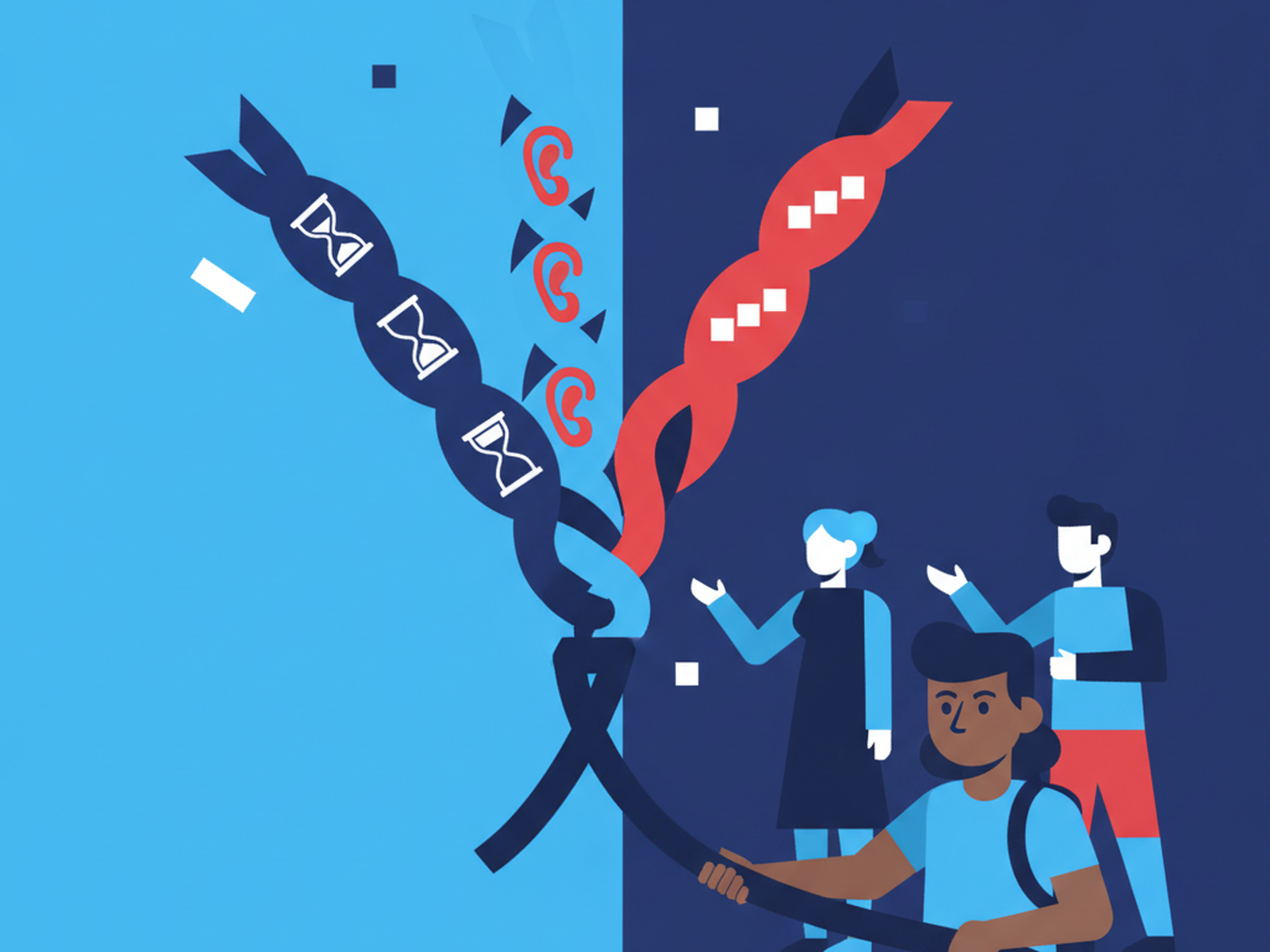
The famous marshmallow studies show that young children waited longer when they used strategies, not when they had more willpower. Walter Mischel ran the original work at Stanford's Bing Nursery School in the late 1960s and early 1970s. According to Stanford's Bing School summary, children turned away from the treat, covered their eyes, sang quietly, or repeated the deal to themselves ("If I wait, then I get both"). Children who thought about the treat's abstract qualities, such as its shape, waited longer than those who thought about how sweet it was. One child who pictured the treat as "just a picture" waited nearly 18 minutes.
The same page reports that the research showed self-control "could be enhanced, taught and learned," even for children who struggled at first. Mischel was also blunt about over-reading it: "Clearly, your future is not in a marshmallow."
That caution has data behind it. A 2024 study in Child Development by Sperber, Vandell, Duncan, and Watts followed 702 participants, tested at 54 months and surveyed at age 26. The analysis was preregistered. Waiting performance was not strongly predictive of adult achievement, health, or behavior, and nearly all adjusted associations were nonsignificant.
So the useful lesson is not "patient kids win." It is that waiting is something people do with tools, and the tools can be taught.

Patience Among Soft Skills for Students: Wait, Listen, Stay With It
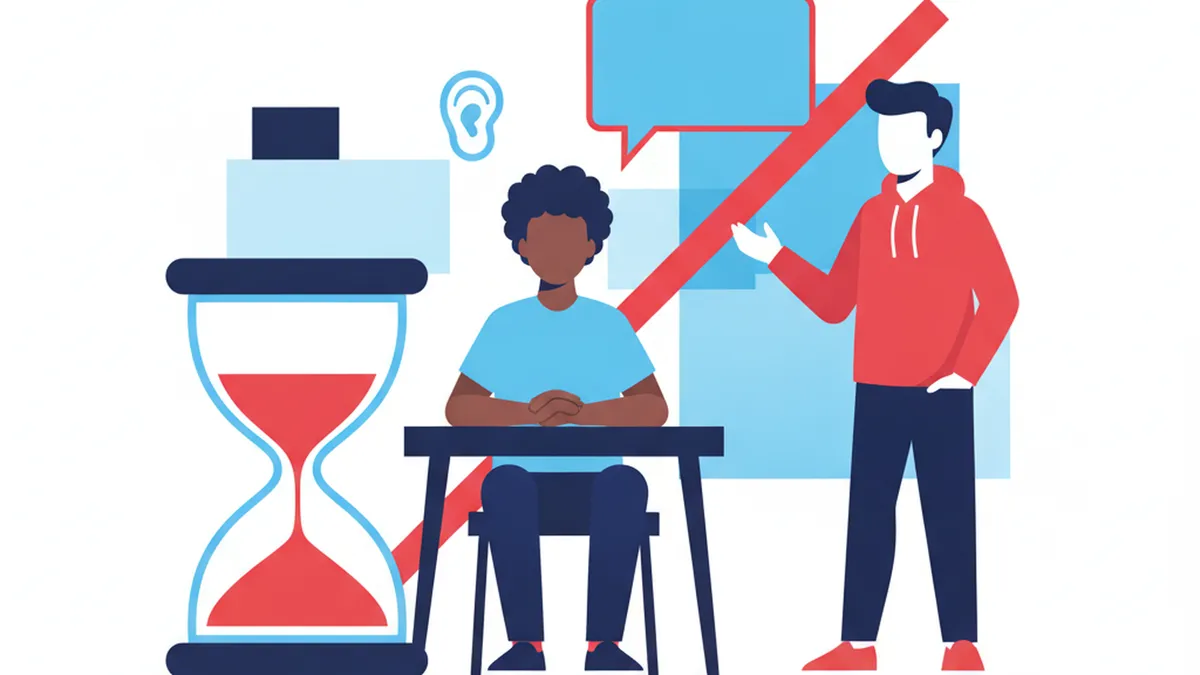
Patience matters as one of the soft skills for students because the situations that demand it are exactly where students struggle now: slow conversations, hard tasks, and constant pulls on attention. We think of it as three practices, and each can be drilled.
Wait. This is the ability to stay with a moment without reaching for a distraction. The pull is real. In a Pew Research Center survey of 1,458 U.S. teens ages 13 to 17, fielded September 25 to October 9, 2025, 36% said they use at least one of five major platforms almost constantly, including 21% on TikTok. That does not show phones cause impatience. It does show how rarely students get a quiet gap to practice waiting in. In our own small pilot of about 30 students, phone use was the skill most students chose to keep working on [Internal: Boost Brand Bible v2].
Listen. This is waiting inside a conversation. We teach students to "turn the lights out about you," meaning switch off the urge to talk about yourself or one-up and put full attention on the other person [Internal: Boost Brand Bible v2]. Our post on active listening as a skill goes deeper.
Stay with it. This is not quitting after the first miss. We tell students you do not become a musician by attending one concert; you practice and fail many times [Internal: Boost Messaging and Copy Bank].
Employers notice what happens when these habits are missing. A Resume.org survey of 1,000 hiring managers, reported by HR Dive in May 2025, found 78% said recent graduates spend too much time on their phones and 60% said they turn in assignments late. Managers also named lack of motivation or initiative as the top reason recent hires did not work out. Those are manager perceptions of recent graduates in general, not a measure of patience in high schoolers.
How to Teach Patience in Practice, Not in a Lecture
You teach patience the way you teach any skill: explain why it matters, show what it looks like, and then run short drills with immediate feedback. A speech about patience will not work for the same reason a seminar will not teach someone to ride a bike [Internal: Boost Brand Bible v2].
Here is a routine we would run for soft skills for students in a single session:
- Start with the why. Ask each student to picture the life they want. Then show that every version of it, from athlete to business owner, requires people who can wait, listen, and keep going. When a skill connects to their own picture, students lean in [Internal: Boost Bible].
- Name the three behaviors. Wait, listen, stay with it. Give each one a visible cue students can recognize in others.
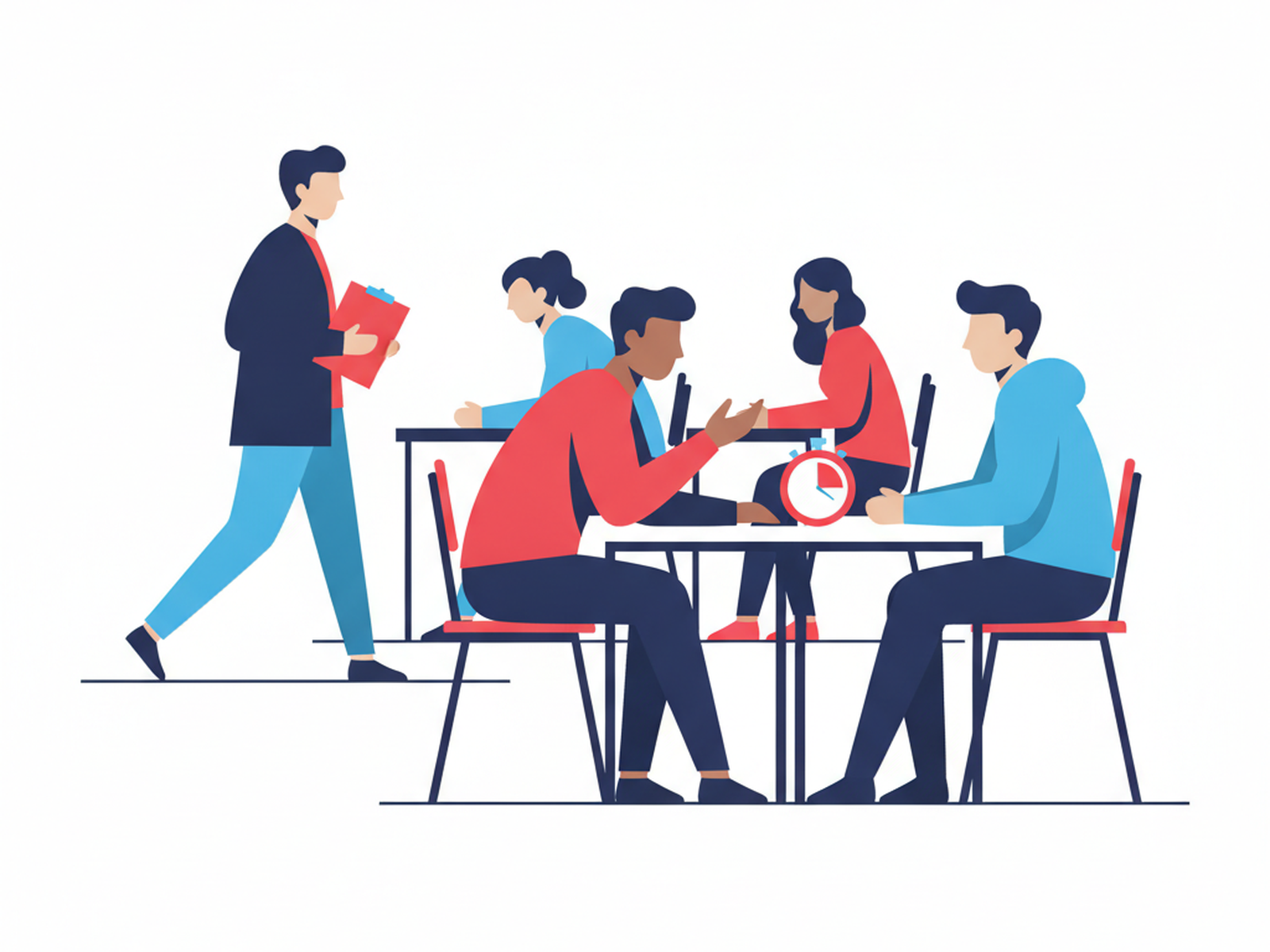
- Drill the listening wait. In pairs, one student talks for two minutes while the other says nothing, then summarizes what they heard before responding.
- Drill the tool wait. Have students try one strategy from the marshmallow research: look away, repeat a plan to themselves, or reframe the temptation. Ask which worked.
- Drill the second try. Give a task with a real chance of failing, such as a short role-play, and require one more attempt before anyone gets help.
Repetition matters more than polish. We have written about why one assembly cannot teach a soft skill, and the same logic applies here: a single session introduces the idea, and weeks of reps build the habit. Our related post on self-discipline as a teachable skill covers the neighboring skill.
What This Evidence Does Not Say
None of the studies above shows that teaching patience in a classroom produces better outcomes. The marshmallow research involved preschoolers in a lab, not high school students in a course. The 2024 follow-up found weak links to adult outcomes, so we would not sell patience as a predictor of success. The Pew survey measures how often teens say they use platforms, not what it does to their attention. The hiring survey captures manager perception of recent graduates, and it comes from a resume-services company, so treat the numbers as directional.
Our own evidence is limited too. Our pilot involved about 30 students, and about 87% finished saying they understood that life is skill-based, up from 20% on day one. It is small and self-reported, and it did not measure patience [Internal: Boost Bible]. Independent outcome data is a known gap [Internal: Boost Program Research Paper].
What we can defend is narrower. The strategies children used to wait were learnable. Employers describe habits tied to patience as a gap. And students rarely get structured practice at either. That is a case for trying it on purpose and measuring what you observe.

What Administrators Can Do This Month
Pick one patience behavior, teach it with drills, and track something you can see. You do not need a new program to begin.
- Choose a visible behavior. For example, count how many times students interrupt in a class discussion for a week, then teach the listening drill and count again.
- Protect a quiet gap. Build two minutes of phone-free waiting into one routine, such as the start of class, and let students use a strategy to get through it.
- Require the second try. Make one more attempt a standard step before a student asks for help.
- Give it repetition. Short drills across several weeks beat one assembly.
If you want help fitting this into your schedule, you can schedule a discovery call and we will talk it through with you.

Frequently Asked Questions
Can Patience Be Taught to Students?
The research behind the marshmallow studies reports that self-control could be enhanced, taught, and learned, and children used concrete strategies to wait. We have no independent data yet on classroom programs that teach it to teenagers.
Is Patience a Soft Skill?
Yes. It combines waiting, listening, and persistence, which are behaviors a person can practice. We treat these as Level 1 foundations for skills such as communication and teamwork.
Does Waiting as a Child Predict Success as an Adult?
Not reliably. A 2024 preregistered study of 702 people found preschool waiting was not strongly predictive of adult achievement, health, or behavior.
Are Phones Making Students Less Patient?
The evidence we found does not prove that. A fall 2025 Pew survey shows 36% of teens use at least one major platform almost constantly, but it does not measure patience.
What Is a Simple Way to Practice Patience in Class?
Run a two-minute listening drill in pairs: one student talks, the other stays silent and then summarizes what they heard. Repeat it weekly with new partners.
References
- Stanford Bing School: Bing Marshmallow Studies, 50 Years of Continuing Research
- Child Development (2024): Delay of Gratification and Adult Outcomes
- Pew Research Center: Teens, Social Media and AI Chatbots 2025
- HR Dive: Over Half of Hiring Managers Say Recent Grads Are Unprepared for the Workforce
- Active Listening Isn't a Personality Trait
- Why One Assembly Can't Teach a Soft Skill
- Self-Discipline Isn't a Personality Trait
Ready to bring Boost to your school?
Schedule a discovery call to see how the Boost curriculum fits your students.
Schedule a Discovery Call