How Parents Can Practice Gratitude With Teens Without Forcing It
- A 2025 PNAS meta-analysis pooled 145 studies and over 24,000 participants from 28 countries and found gratitude practices raise well-being mainly by increasing positive emotion, with real variation from country to country.
- A 2026 PNAS megastudy of 10,696 people in 34 countries found brief gratitude tasks lifted positive affect (d = 0.37) but moved life satisfaction only slightly (d = 0.12), measured right after the task.
- In a 2025 randomized trial of 120 university students, a three-week gratitude app showed no significant benefit for the whole group. Gratitude is not a magic switch, and forcing it is not a plan.
- The most useful move for parents is small, repeated, specific practice, which is how soft skills at home with teenagers actually grow. Schools can make that easy by sending home a short routine, not a lecture.
If you want to know how to build soft skills at home with teenagers, start by dropping the "go around the table and say what you are thankful for" routine. Most teens hear that as a quiz with a right answer, and they respond by rolling their eyes or giving a one-word reply. Gratitude is a skill, and skills grow through practice that feels natural, not through demands. By soft skills we mean the everyday behaviors, such as saying thank you well, listening, and noticing others, that shape how a person connects with people. This guide is written for parents, and it is built so an administrator can send it home as is. It covers what the research says, what it does not, and a few low-pressure habits that work.
Why Soft Skills at Home With Teenagers Start With Repetition
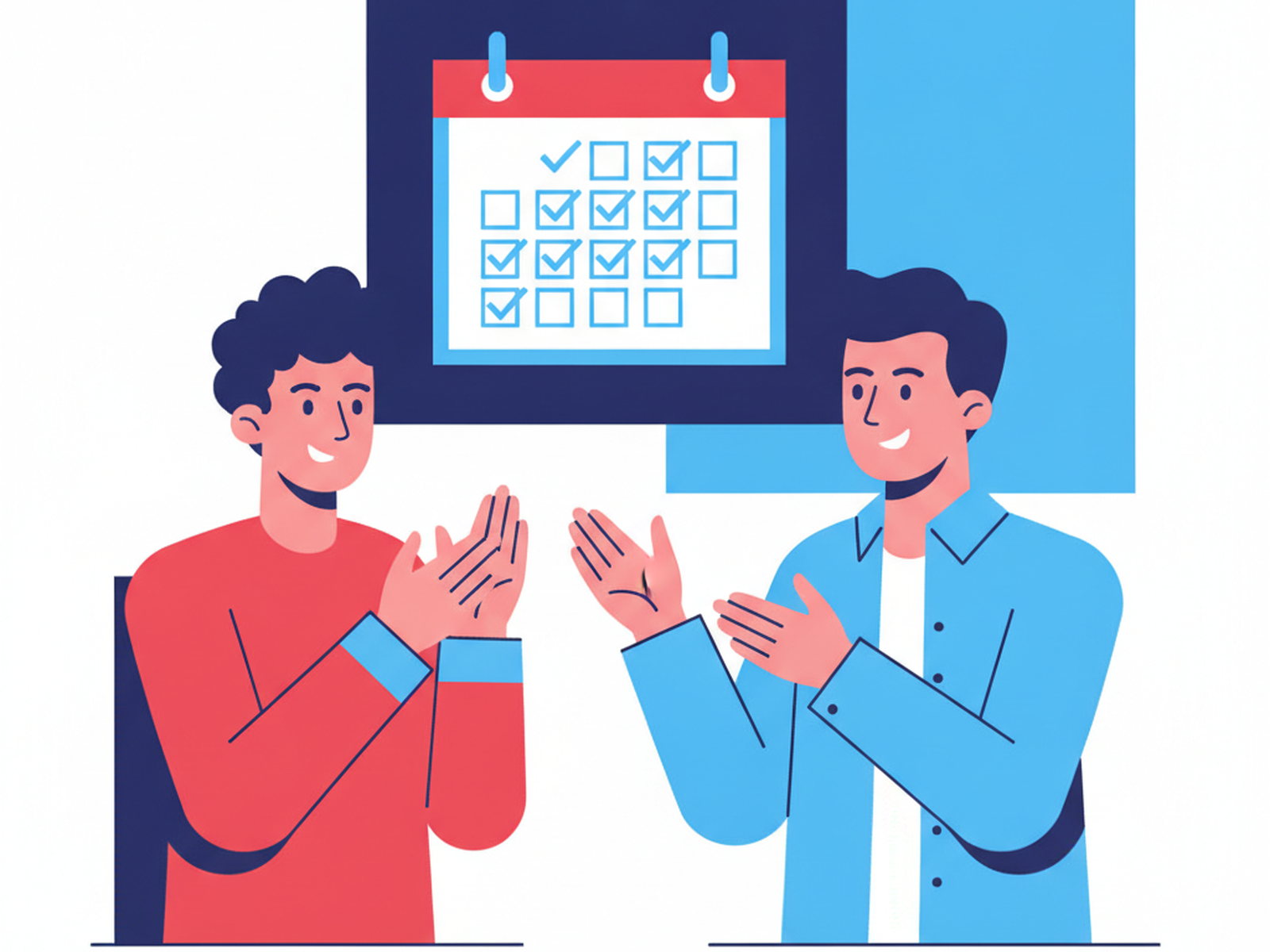
Soft skills at home with teenagers grow through short, repeated practice, because a skill that is only talked about rarely changes behavior. A teen who hears "be more grateful" once a month learns nothing about how. A teen who sees thank-yous modeled daily, and gets a chance to try one without an audience, starts to build the habit.
That is the logic behind how we teach. At Boost, we start from the belief that life is skill-based: the things that decide whether a person thrives, like relationships, respect, and resilience, are learnable, not fixed traits [Internal: Boost Brand Bible v2]. A teenager who seems ungrateful is usually not broken. They are untaught. Nobody ever showed them what a good thank-you looks like or why it matters to them personally.
Our research paper makes the same point about method: social and emotional skills "must be practiced in realistic situations, not simply explained" [Internal: Boost Program Research Paper]. We covered the school side of this in why one assembly cannot teach a soft skill. Home is where the repetition actually happens.

What the Gratitude Research Actually Shows
Gratitude practices help, but the effects are modest, uneven, and mostly short term. A 2025 meta-analysis in PNAS covered 145 studies with more than 24,000 participants across 28 countries. It found a positive overall effect on well-being, mainly through more positive emotion, and combining several practices strengthened the effect, according to Psychology Today's summary of the paper. Well-being rose in some countries, including the U.S., but not in others.
The 2026 PNAS megastudy, led by Nicholas Coles and Annabel Dang, tested six brief gratitude practices against three control tasks with 10,696 people in 34 countries. Positive affect rose (d = 0.37), optimism rose a little (d = 0.24), and life satisfaction barely moved (d = 0.12), as listed in the study's repository record. Those were immediate effects.
Teens specifically are harder to find in the recent research. An older replication with 372 students aged 11 to 13 in two Indian schools found that a gratitude visit improved well-being while simple journaling did not, according to Proof Positive's research summary. Treat that as a hint, not a rule: how a teen practices gratitude seems to matter.

How to Practice Gratitude With Your Teen Without Forcing It
Make it specific, make it brief, and make it something you do yourself first. Here is what that looks like in a normal week.
- Model it out loud. Say, "I appreciated that you took out the trash without being asked, it saved me ten minutes." Specific beats generic every time.
- Teach the thank-you as a skill. Eye contact, their name, and a real sentence. In our program, enthusiastic thank-yous sit in the Character skills, and we practice them like a handshake [Internal: Boost Brand Bible v2].
- Try a gratitude visit. Have your teen thank one person in person or by a short note, saying what the person did and why it mattered. Keep it to a few minutes.
- Ask one question, then stop. "Who helped you today?" works better than "What are you grateful for?" Do not grade the answer.
- Link it to their goals. In our experience, teens lean in when a skill connects to what they want [Internal: Boost Bible]. A teen who wants a job or a team spot cares that people remember who thanked them.
Skip the mandatory journal. The research does not support it as a requirement, and a forced entry teaches teens to perform gratitude, not feel it.
Where Parents and Schools Can Line Up for Soft Skills at Home
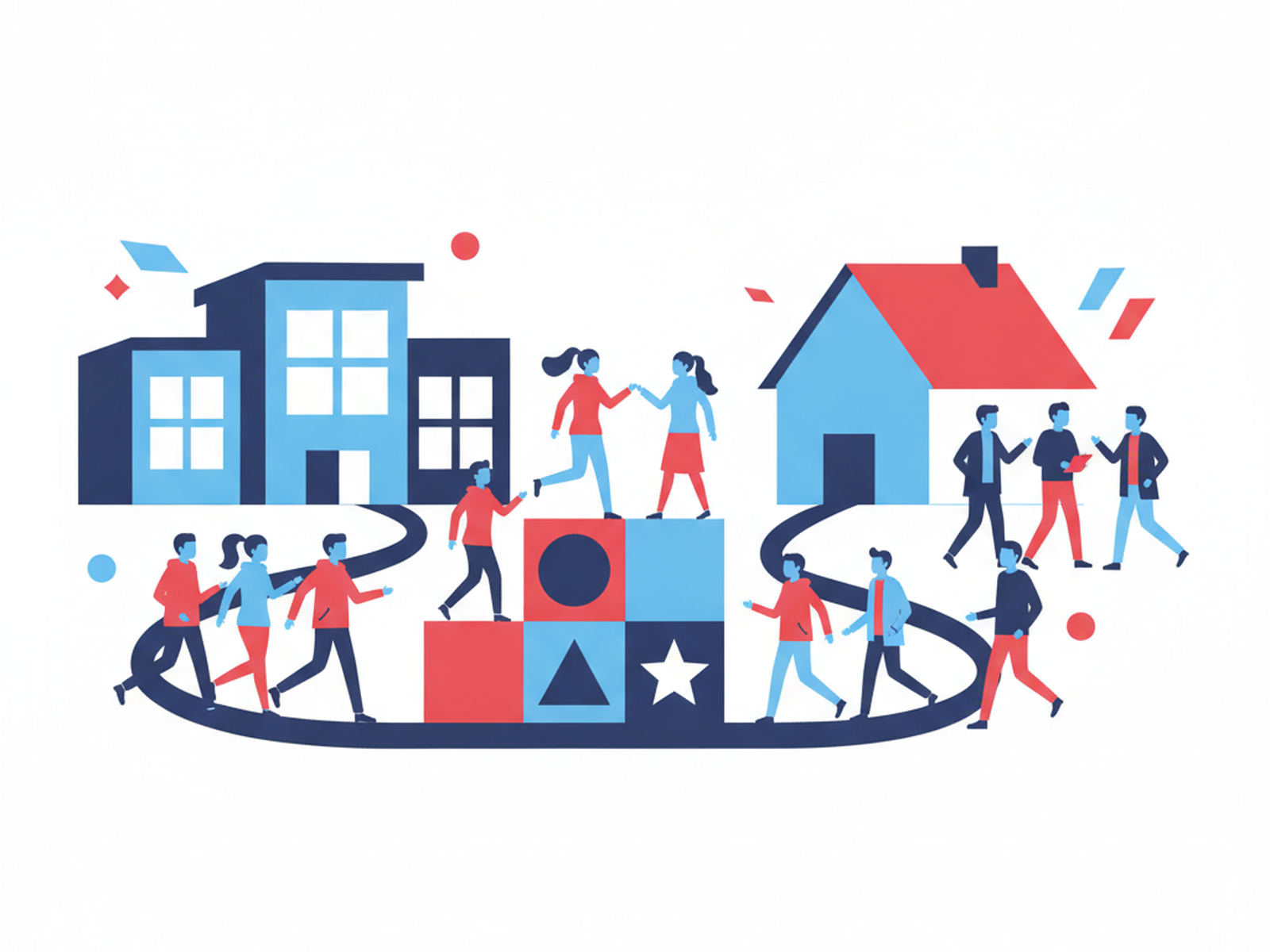
Parents and schools get further when they use the same words and the same small habits. We have laid out the parent side in what parents can do at home to reinforce the soft skills schools are teaching, and the dinner-table version in the 10-minute dinner table habit.
Think of the skills in two levels. The basics, such as greeting someone, listening, and saying thank you, are Level 1. Bigger soft skills like conflict resolution and leadership are Level 2 and depend on them, much like basic math comes before algebra [Internal: Boost Brand Bible v2]. A sincere thank-you is a Level 1 skill, so it is a good place for a family to start.

What This Evidence Does Not Say
The research does not show that a gratitude routine will make your teen happier, kinder, or better behaved. In a 2025 randomized trial of 120 university students aged 18 to 30, published in JMIR mHealth and uHealth, a three-week gratitude app showed no significant benefit across the full sample. It helped only a subgroup with at least moderate baseline symptoms, and the authors flagged a small sample and no long-term follow-up, per the published paper.
Also, university students are not high schoolers, and most recent large studies measure effects right after a short task, not months later. We found little recent evidence on parent-led gratitude practice with teens at home, so we will not pretend otherwise. Our own pilot is small too: about 30 students, self-reported, with about 87% finishing the program saying they understood that a specific set of skills lets a person get what they want in life, up from 20% on day one [Internal: Boost Bible]. That is a signal about understanding, not proof that gratitude practice changes outcomes.
What Administrators Can Send Home
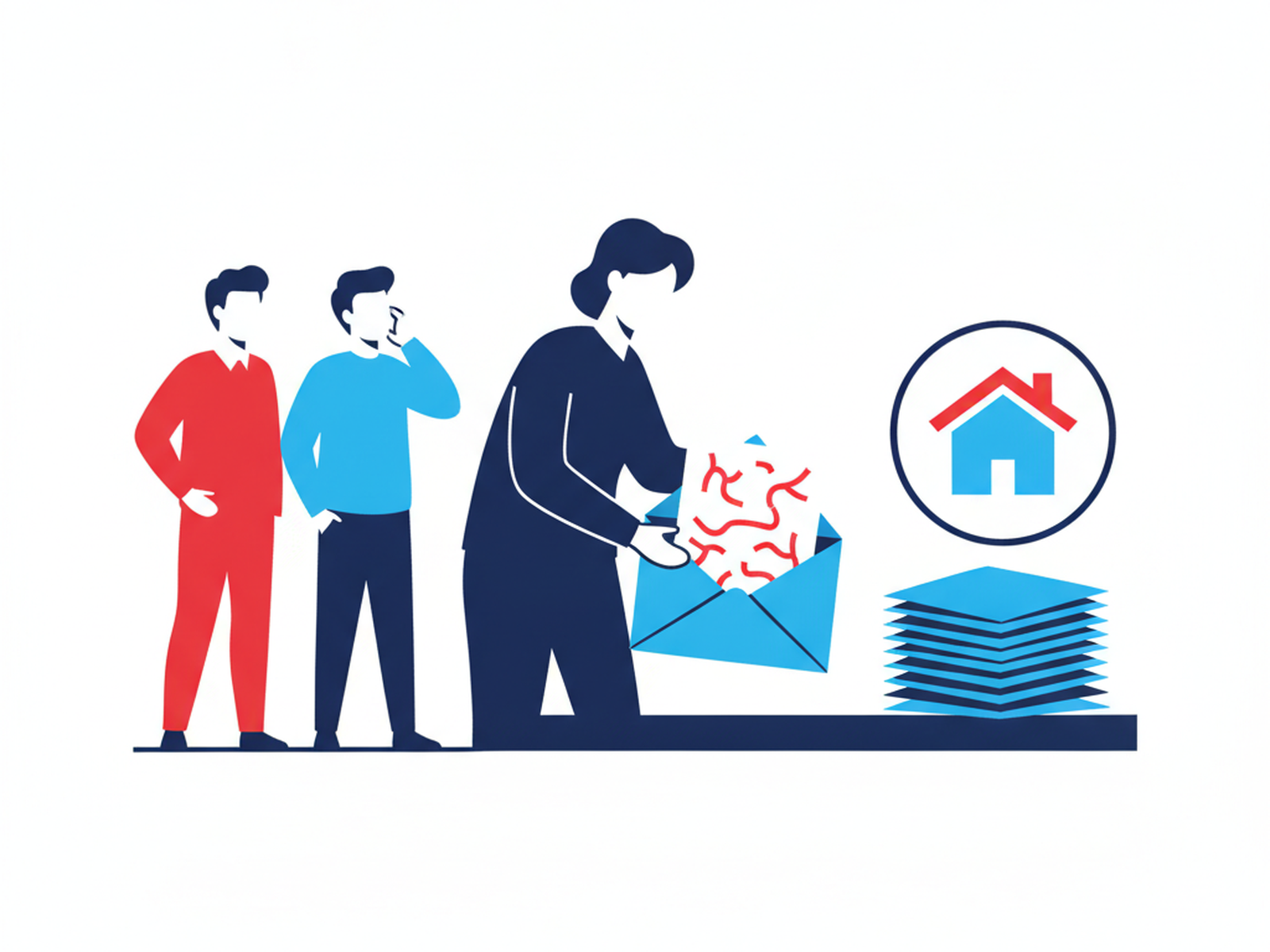
Send families one page with one habit, one example sentence, and one reason it matters. A short, specific message gets read. A ten-point parenting guide does not.
- Pick one skill per month. Name it in plain words and explain the why in a sentence a teen would accept.
- Give parents a script. "Thanks for X, it helped because Y" removes the guesswork.
- Frame it as practice. Tell families a skill takes repetition and a second try, not a single talk.
- Pair it with school. If students practice the skill in class, say so, so parents can reinforce the same words. Our guide to teaching gratitude to teenagers as a skill gives school staff the classroom view.
If you want a home-and-school plan built around the same 26 skills, you can schedule a discovery call and we will walk through it with you.

Frequently Asked Questions
How Do You Teach Gratitude to a Teenager Without Forcing It?
Model specific thank-yous yourself, ask one low-pressure question, and let your teen practice a real thank-you in person or in a note. Avoid grading the answer or requiring a daily journal.
Does Gratitude Practice Improve Teen Well-Being?
Large recent studies show small to moderate short-term gains in positive emotion, with less effect on life satisfaction. Evidence specific to teens at home is limited.
What Are Soft Skills at Home for Teenagers?
They are everyday behaviors like saying thank you, listening, greeting people, and taking responsibility that a family can practice together. They are skills, so they improve with repetition.
Why Does My Teen Roll Their Eyes at Gratitude Talks?
A demand to be grateful feels like a lecture, and teens resist lectures. A specific, brief, low-stakes moment connected to something they care about lands better.
What Can Schools Send Home to Help?
A one-page note with a single skill, an example sentence, and a short explanation of why it matters. Keep it to one habit at a time.
References
- Psychology Today: Beyond Thanksgiving, Gratitude Impacts Well-Being Worldwide
- A Multinational Megastudy of the Effects of Gratitude Practices on Subjective Well-Being
- Proof Positive: Gratitude Research Summary
- JMIR mHealth and uHealth: A Mobile App-Based Gratitude Intervention in University Students
- Why One Assembly Can't Teach a Soft Skill
- What Parents Can Do at Home to Reinforce the Soft Skills Schools Are Teaching
- The 10-Minute Dinner Table Habit
- Teaching Gratitude to Teenagers as a Skill
Ready to bring Boost to your school?
Schedule a discovery call to see how the Boost curriculum fits your students.
Schedule a Discovery Call