
Questions Teachers Ask Before Their School Adopts Boost
- In RAND's 2026 survey, 55% of K to 12 public school teachers reported frequent job-related stress, versus 34% of similar working adults. Managing student behavior was the top stressor, named by 52%.
- In a January 2025 We Are Teachers poll of nearly 500 educators, 79% said social-emotional learning belongs in the classroom and 77% felt comfortable teaching it. That sample is self-selected, so read it as a mood, not a measurement.
- Boost is delivered by certified Boost coaches or trained school staff, runs 8 weeks, centers on practice instead of lectures, and is not therapy.
- Where our materials are silent on workload, hours, or training length, we say so and send you to a discovery call instead of guessing.
Teachers do not push back on a new soft skills program because they dislike students. They push back because they have seen programs arrive with a binder and a launch email and leave a year later. If you are one of the school administrators preparing to bring a soft skills program to your staff, expect these questions. Below are the ones we hear most, answered only from what we know about Boost. Soft skills are the behaviors, such as listening, reliability, and handling feedback, that determine how a person applies what they know. Where we do not have a solid answer, we will say "ask us on a discovery call," and mean it.
Who Teaches the Soft Skills Program, and Does It Land on Me?
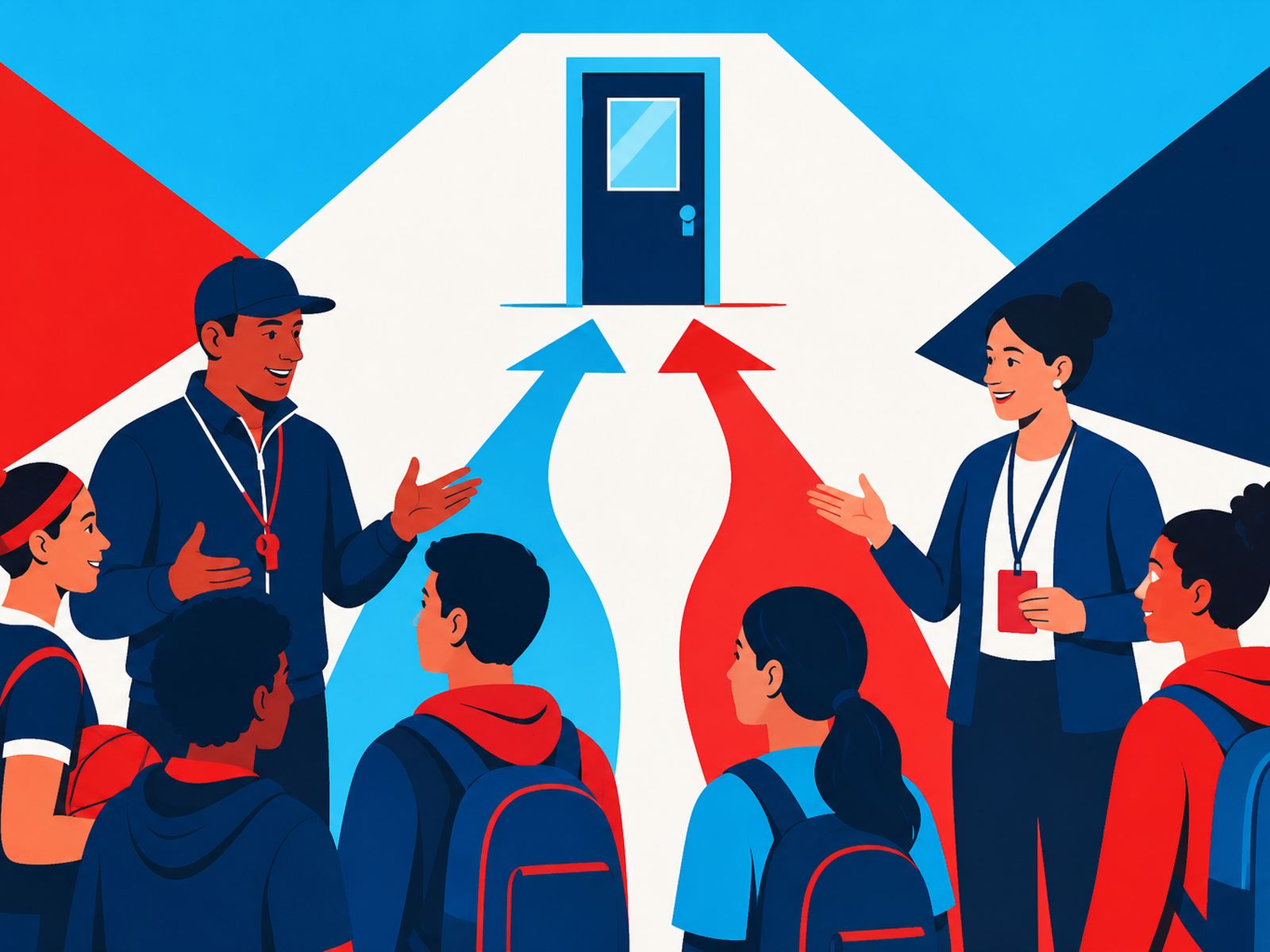
Boost is delivered by certified Boost coaches or by trained school staff, so a teacher is not automatically the person at the front of the room [Internal: Boost Bible]. Schools choose between two routes. In the first, a trained Boost coach comes on site and leads the sessions. In the second, the school certifies a staff member, and our website describes that training as available in person and virtual, with all materials included and ongoing support from the Boost team [Internal: Boost Program Website Knowledge Base].
The quality bar for whoever leads is specific. The first quality of a Boost coach is that they understand life is skill-based and are committed to always improving [Internal: Boost Brand Bible v2]. Certification is meant to be about living that belief, not memorizing content.
So who would teach it at your school? That depends on the route you pick and who volunteers. How long certification takes and how much preparation a trained staff member needs are things our materials do not state, so ask us on a discovery call.
How Much Extra Work Is a Soft Skills Program for Teachers?
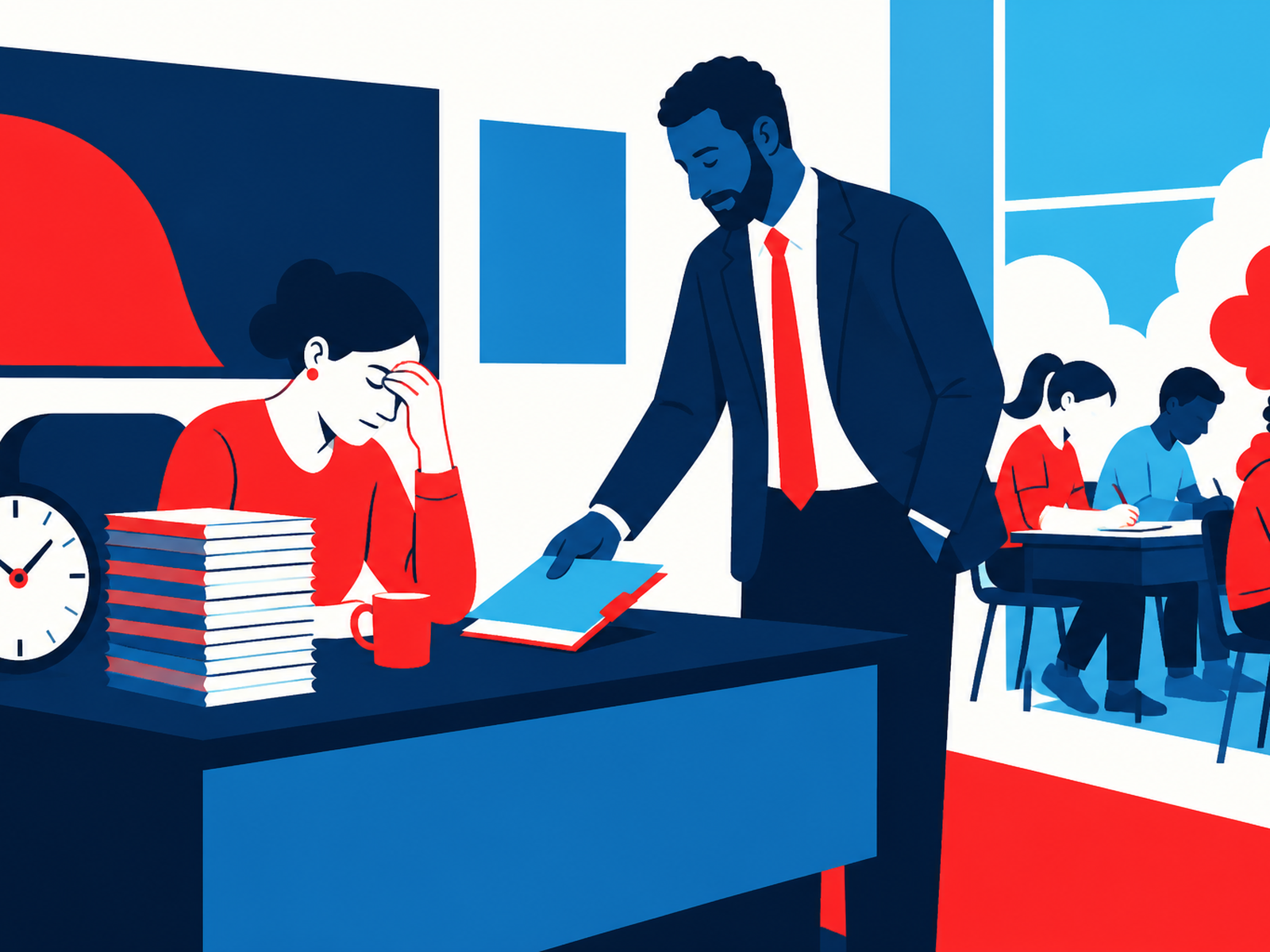
We cannot give you a number of hours, and we would rather say that than invent one. Our materials do not give a reliable teacher workload figure, and they describe session length differently in different places. Ask us on a discovery call for the current figures for your model.
What we can tell you is why the question deserves a straight answer. RAND's 2026 State of the American Teacher survey, fielded in January and February 2026, found 55% of K to 12 public school teachers reported frequent job-related stress, down from 62% in 2025 but well above the 34% for similar working adults. Managing student behavior was the most cited stressor, at 52%. As RAND lead author Elizabeth Steiner put it, "For many teachers, high stress and financial strain remain a persistent part of the job." (RAND, June 2026)
That context cuts two ways. A teacher who is already stretched is right to ask what a program adds. A teacher whose top stressor is student behavior may also welcome a program that teaches the missing behaviors on purpose. We wrote about how to add a soft skills curriculum without adding to teachers' plates if you want the planning side of this.

What the 8-Week Soft Skills Program Looks Like for Teachers
The core program is 8 weeks, with each week built around one theme and a mix of lesson, practice, and discussion [Internal: Boost Bible]. The default sequence runs from Creating the Life You Want, through How to Become Likeable, Skills That Earn Respect, and Skills That Power Growth, then You vs. Your Phone, Control Your Mind, Creating Calm, and finally a personal plan called My Boost Blueprint [Internal: Boost Brand Bible v2].
It teaches 26 named skills sorted into three legs of a stool: people skills, character, and healthy mindset. A weak leg makes the whole stool unstable. Teachers often ask whether it duplicates what they already do. Our answer is that Boost is a force multiplier over the culture a school already has, not a replacement for it [Internal: Boost Messaging and Copy Bank].
We also say plainly what Boost is not. It is not therapy, and Boost coaches are not therapists or mental-health professionals. They teach practical skills focused on people skills, character, mindset, and personal development [Internal: Boost Messaging and Copy Bank]. That matters for teachers who worry they will be pulled into counseling. Our post on supporting student well-being without turning teachers into counselors goes deeper on that line.
Will Students Actually Buy In to Soft Skills Lessons?
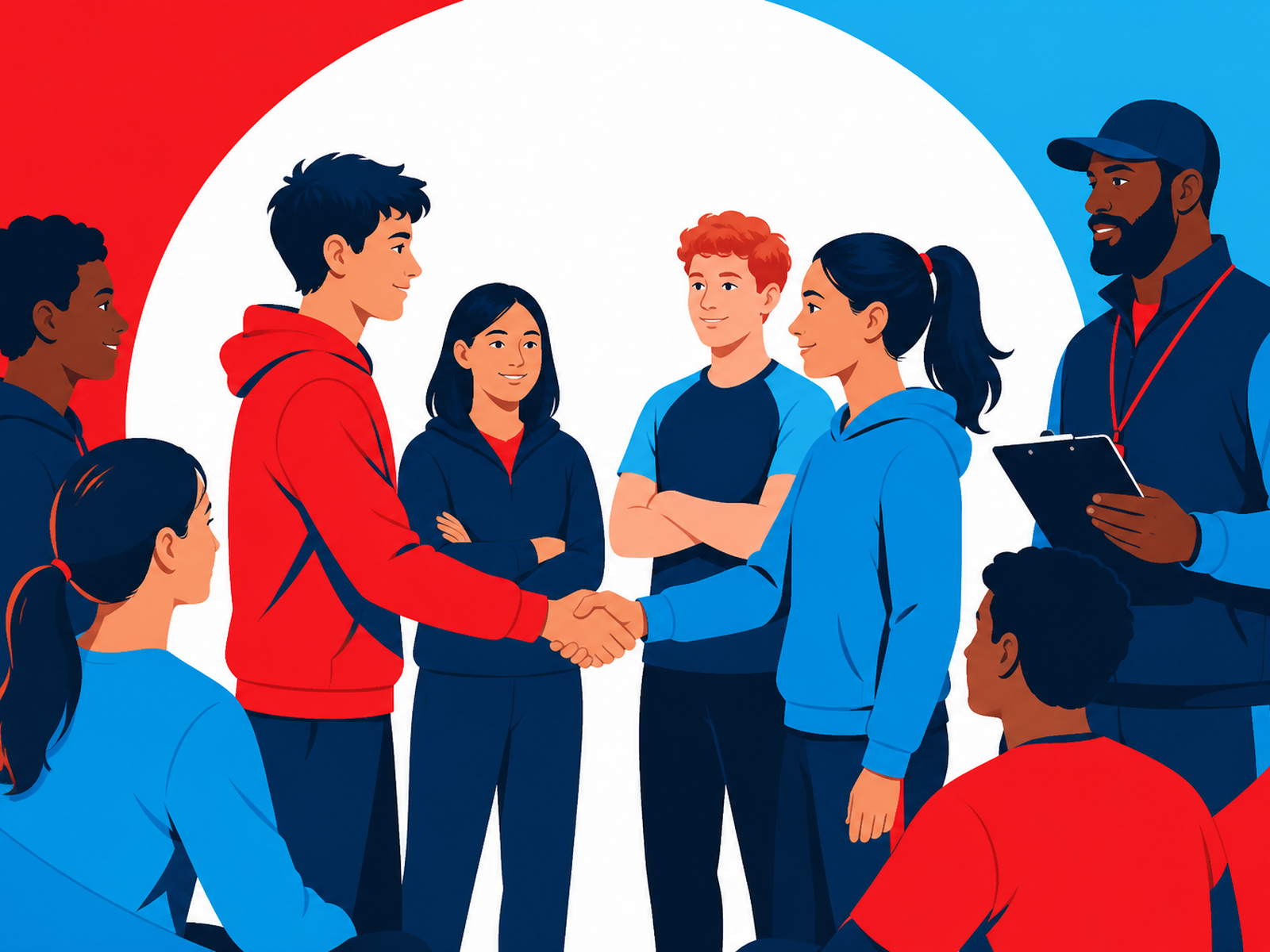
Students lean in when they see how a skill connects to their own goals, which is why Boost starts with the why. Before teaching a single skill, Boost asks each student to picture the life they want, then shows that every version of that picture, athlete, artist, business owner, parent, needs the same skills [Internal: Boost Bible]. The order matters. First students grasp that life is skill-based, then the three legs organize which skills, then individual lessons follow [Internal: Boost Brand Bible v2].
The second answer is practice. A skill is not learned by hearing about it. The program uses role-play, discussion, worksheets, and reflection, not lectures [Internal: Boost Program Research Paper]. Our view is that you do not become a musician by attending one concert. Our post on why practice beats lecture in soft skills lessons shows what that looks like in a lesson.
For a small, real-world signal: adult hiring managers who sat across from students in Boost mock interviews said, "These students were better than most of the real interviews we do" [Internal: Boost Bible]. That is a quote from the program, not a study. In our pilot of about 30 students, about 87% finished saying they understood that life is skill-based, up from 20% on day one. It is small and self-reported.

What This Evidence Does Not Say
None of this proves Boost will change your school, and it does not tell you how any single teacher will feel about it. We have no teacher testimonials to share, and we will not make them up. The pilot is about 30 students and self-reported. Boost has pre and post self-assessments, but no independent, third-party outcome data yet [Internal: Boost Brand Bible v2].
The outside research gives cautious support to some design choices teachers ask about. A 2024 meta-analysis in the Journal of Youth and Adolescence by Jieping Shi and Alan Cheung covered 59 studies and 83,233 participants. It found that universal school-based social emotional programs improved skills and behavior, with an overall effect size of 0.15, which is modest. Training teachers in their own social emotional skills was an effective component, and programs with low dosage were less effective (Journal of Youth and Adolescence, 2024). That does not evaluate Boost, and the review covers youth broadly, not only high schoolers.
The We Are Teachers poll is also limited. It surveyed nearly 500 members of one teacher community, published January 6, 2025, and reported that 75% saw a significant decline in students' social-emotional skills over the past decade (We Are Teachers, 2025). Self-selected polls overstate certainty.

How School Administrators Can Answer Soft Skills Program Questions Early
Bring teachers into the soft skills program decision early, with honest answers and a clear list of what you do not yet know. Four steps help.
- Name the delivery route. Decide whether a Boost coach will lead sessions or whether you will certify staff, and tell teachers which.
- Collect their questions first. Use this article as a starting list, and add the ones specific to your building.
- Write down the open items. Training length, scheduling, and workload are the three most likely to come up. Get answers before the faculty meeting, not during it.
- Ask for a skeptic's seat. Invite a teacher who doubts the program to sit in on a pilot session.
We also cover what schools ask before piloting Boost on scheduling and staffing. If you want straight answers for your own school, you can schedule a discovery call and bring your teachers' hardest questions.
Frequently Asked Questions
Do Teachers Have to Teach Boost Themselves?
Not necessarily. Boost is delivered by certified Boost coaches or by trained school staff. Your school chooses the route.
Is Boost Therapy or Counseling?
No. Boost coaches are not therapists or mental-health professionals, and the program teaches practical skills in people skills, character, and mindset.
How Long Does Training Take for Staff Who Deliver Boost?
We do not state a training length here. Ask us on a discovery call, where we can give you current details.
What If My Students Think It Is Corny?
The program starts with the why, connecting each skill to a student's own picture of their future, and uses practice instead of lectures. Student engagement is a reason to pilot and observe, and we have no teacher data to share.
Is There Independent Proof That Boost Works?
Not yet. Our pilot of about 30 students was self-reported, and independent outcome data is still a need.
References
- RAND: Teachers' Stress, Burnout Continue to Outpace Those of Other Working Adults (June 2026)
- Shi and Cheung: Effective Components of Social Emotional Learning Programs, Journal of Youth and Adolescence (2024)
- We Are Teachers: Exclusive New Survey Reveals Teachers' True Feelings About Social-Emotional Education (2025)
- How to Add a Soft Skills Curriculum Without Adding to Your Teachers' Plates
- Skills, Not Symptoms: Supporting Student Well-Being Without Turning Teachers Into Counselors
- Practice Beats Lecture: Designing Soft Skills Lessons Students Do, Not Just Hear
- What Schools Ask Before Piloting Boost: Scheduling, Staffing, and Space
Ready to bring Boost to your school?
Schedule a discovery call to see how the Boost curriculum fits your students.
Schedule a Discovery Call