Seven Classroom Routines That Build Soft Skills in Five Minutes a Day
- The best 2025 review of school SEL research found programs lasting longer than about four months produced gains of more than 8 percentile points, while shorter programs showed limited effects. Repetition over time is the point.
- In that review, elementary programs tended to use short daily lessons of about 10 minutes, while older students got 30 to 90 minute sessions weekly or monthly. High school evidence is thinner.
- Seven routines below each fit in about five minutes and train one named behavior: greeting, listening, gratitude, reframing, and more.
- We do not have a study proving five minutes a day works for teenagers. These routines are practical design, backed by the duration finding, not a proven program.
Most teachers we talk with are not short on goodwill for soft skills training. They are short on minutes. If you teach chemistry or history, nobody is handing you a free period for a new curriculum. So the practical question for soft skills training for high school teachers is this: what can you do in five minutes, inside the class you already teach, that actually builds a skill? By soft skills we mean the behaviors, such as listening, reliability, and professionalism, that determine how a person uses what they know. Here are seven routines, the thinking behind them, and an honest note on what the evidence can and cannot support.

What Soft Skills Training for High School Teachers Needs to Look Like
Effective soft skills training for high school teachers means short, repeated practice of one specific behavior, not a talk about character. Two things from the research and our own work shape that.
First, repetition over time beats a single event. A 2025 meta-analysis of 40 studies and about 34,000 students found that SEL programs lasting more than four months were linked to gains above 8 percentile points, while shorter ones showed limited effects. The same coverage noted that elementary lessons tend to run about 10 minutes a day, and that high school evidence is thinner.
Second, students must know why. Our approach is why-first: students buy in when they see how a skill connects to friendships, respect, and a first job [Internal: Boost Program Research Paper]. Behind it sits one idea, that life is skill-based, and skills can be taught [Internal: Boost Brand Bible v2]. Students are not broken. They are untaught.
We also think in levels. Greeting someone and listening are Level 1, like basic math before algebra. Conflict resolution and leadership are Level 2 and depend on them [Internal: Boost Messaging and Copy Bank]. So the routines start with the basics.

Routines One to Three: Connection Skills
These three build the habits employers notice in the first ten seconds of meeting someone. Each takes about five minutes or less.
Routine One: The Doorway Greeting
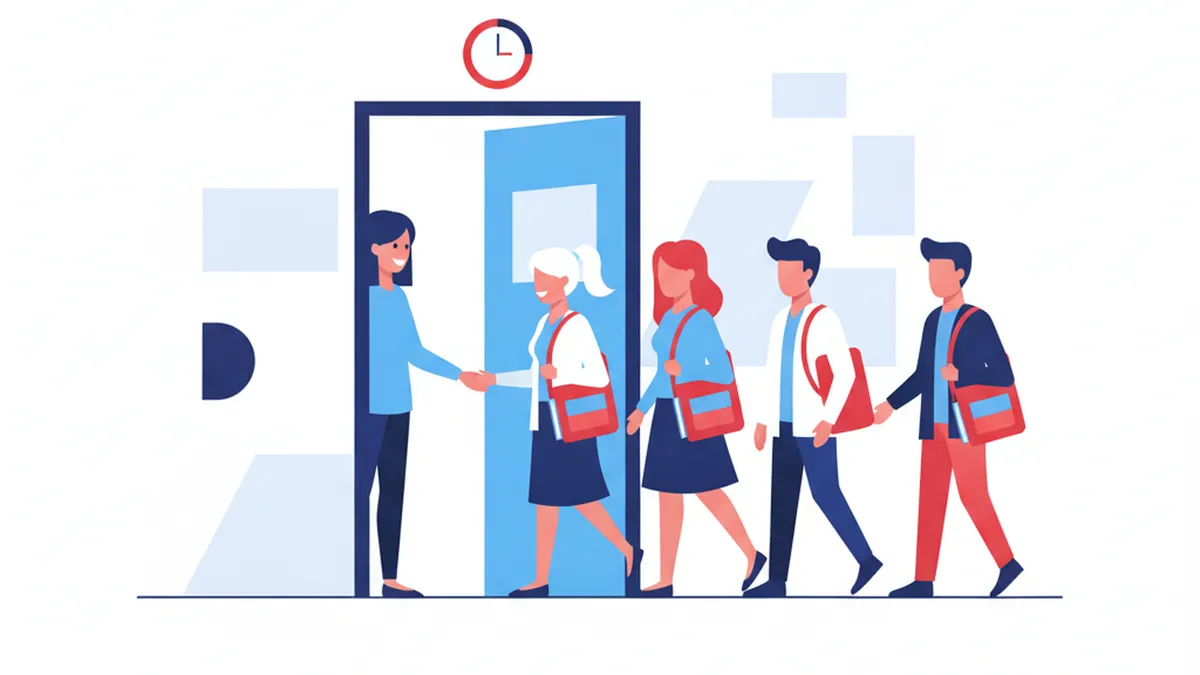
Stand at the door and greet every student by name, with eye contact, before they walk in. Then require the same from them for a week: one student greets the next. One 2018 study, reported by K-12 Dive, found that positive greetings at the classroom door raised academic engagement by 20% and cut disruptive behavior by 9%. That study is older than our other sources and we have not seen its full sample, so treat it as a suggestive result.
Routine Two: Name Swap
Pair students who do not usually talk. Each learns the other's name, one fact, and uses the name twice in two minutes. Using someone's name is one of the specific behaviors we teach under people skills [Internal: Boost Brand Bible v2].
Routine Three: Repeat Back
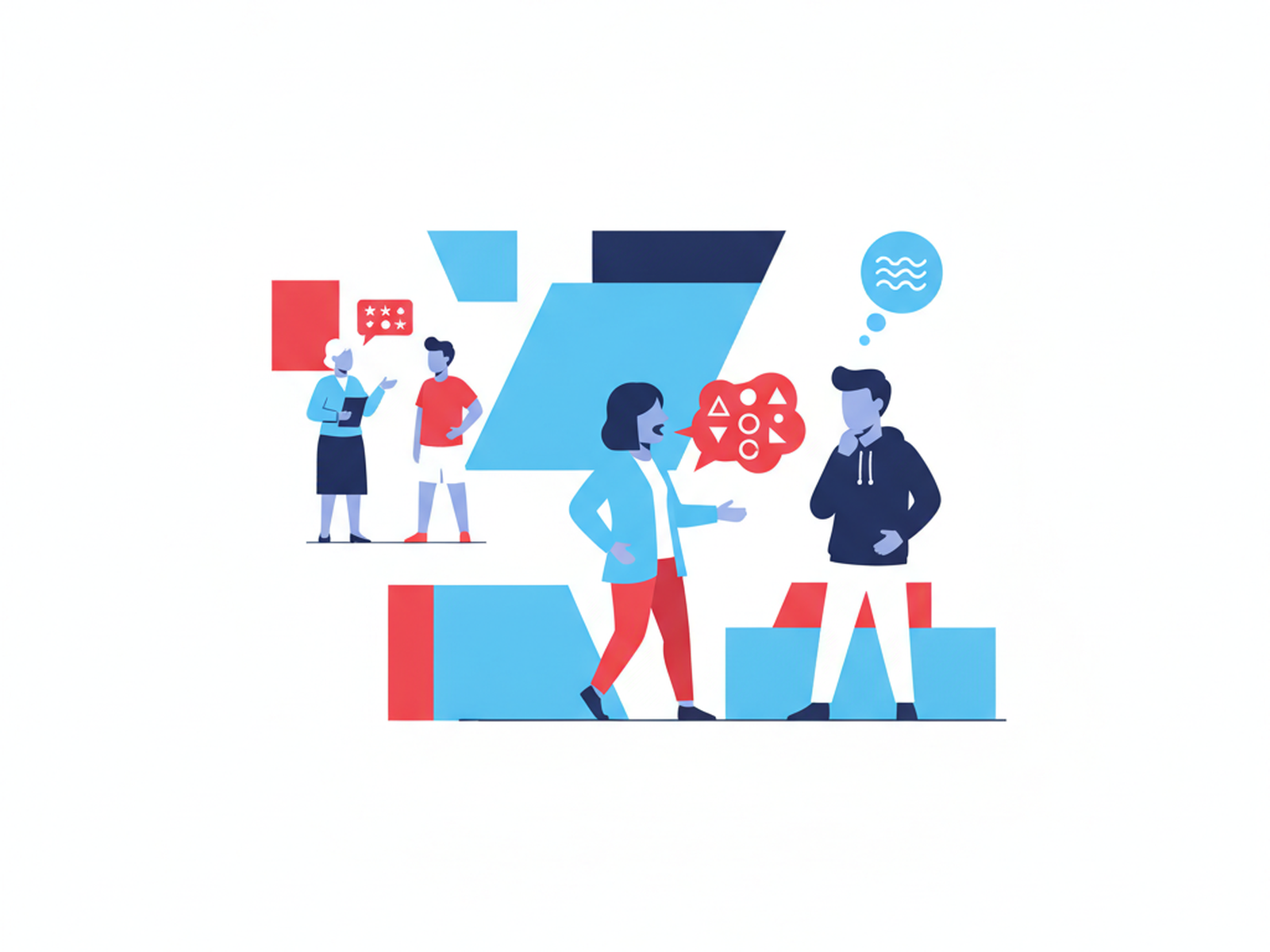
One student explains something from the lesson in 30 seconds. The partner repeats the main point before adding anything of their own. It feels slow at first, which is the point. We wrote a longer guide on why active listening is a skill, not a personality trait.
Routines Four to Seven: Character and Mindset
These four build the habits that sit under reliability and resilience. Keep each to five minutes.
Routine Four: The Thank-You Minute
Each student names one person who helped them this week and says exactly what that person did. Specific beats general. "Thanks for waiting while I found my notes" is a skill. "Thanks for everything" is a greeting card.
Routine Five: The Phone Parking Check
Before a task, students put phones face down and say aloud how long they will stay off. Afterward, they note whether they kept the commitment. In our pilot, about 70% of students rated phone control as the number one skill of all 26 they wanted to work on [Internal: Boost Bible]. That is small and self reported, but it fits what teachers tell us: students know it is a problem and were never taught how to manage it.
Routine Six: Reframe the Setback
When something goes wrong, such as a failed quiz or a lost draft, students write the negative thought, then rewrite it as a next step. "I am bad at this" becomes "I have not learned this yet, and I will ask for help on problem three."
Routine Seven: The Sincere Apology
Pair students to practice a real apology in three parts: what I did, who it affected, and what I will do differently. Save it for a low-stakes scenario first.

How to Keep a Five-Minute Routine From Becoming a Lecture
A routine works when students do the skill, not when you explain it. We say practice, not lectures, and the research paper behind our materials stresses role-play and reflection over telling [Internal: Boost Program Research Paper]. Three rules help.
- Name one behavior. "Eye contact and name" is observable. "Be respectful" is not.
- Let students do it first. Spend 30 seconds on the why, then four minutes on practice. We cover this in detail in our piece on why practice beats lecture.
- Repeat it. One assembly cannot do the job, which is why we wrote about how many reps it takes.
When students practice with real adults, the result can surprise. Hiring managers who ran mock interviews with our students told us, "These students were better than most of the real interviews we do" [Internal: Boost Bible]. We read that as a sign that practice with feedback matters, though it is one anecdote.

What This Evidence Does Not Say
Nothing here proves that five minutes a day produces lasting soft skills in high schoolers. The duration finding comes from programs of many formats, and the authors describe middle and high school evidence as less conclusive. We could find no study that tests these specific seven routines.
Employer demand is clearer. The 2026 NACE Job Outlook survey of 183 employers, fielded in August and September 2025, found that 70% use skills-based hiring. NACE's president, Shawn VanDerziel, said, "In the past, many employers relied heavily on GPA to screen potential candidates; we've seen a big drop-off in that." That survey is small, covers college hiring, and says nothing about routines.
Our own pilot involved about 30 students, and about 87% said at the end they understood life is skill-based, up from 20% on day one [Internal: Boost Bible]. It is small and self reported. It shows an idea landed, not that behavior changed over time.

A Practical Start Plan for Soft Skills Training for High School Teachers
Pick one routine and run it for two weeks before adding another. Ask a colleague to try the same one so you can compare notes.
- Choose by need. If students rarely talk to each other, start with Name Swap. If class starts slowly, try the Doorway Greeting.
- Tell them why. In 30 seconds, connect the skill to a first job or a friendship.
- Do it at the same moment daily. Anchor it to the bell, the transition, or the exit ticket.
- Give one piece of feedback. Notice one specific thing a student did well.
- Track it simply. Tally how many students did it correctly on day one and day ten.
Routines are a start, not a full course. If you want to add more without piling onto your teachers, see our guide on adding soft skills curriculum without adding to teachers' plates. And if you are an administrator looking at the next step, you can schedule a discovery call with us.

Frequently Asked Questions
How Can Teachers Build Soft Skills in Five Minutes a Day?
Use one short routine that practices a named behavior, such as a doorway greeting, repeat-back listening, or a thank-you minute. Have students do the skill rather than hear about it, and repeat it daily.
Do Short Routines Work for High School Students?
We do not have direct evidence for these routines. Research on SEL programs suggests longer, repeated programs do better than one-time events, but high school evidence is thinner.
Which Soft Skill Should We Start With?
Start with a Level 1 skill such as greeting, eye contact, or listening. Advanced skills like conflict resolution and leadership depend on them.
Do Teachers Need Special Training to Run These Routines?
Not for the basic versions here. A teacher who understands why the skill matters and models it can run them, though deeper programs benefit from coach training.
References
- Proof Points: SEL Academic Benefits, Yale Study (The Hechinger Report)
- New Study on Positive Greetings and Classroom Engagement (K-12 Dive)
- How New Grad Job Seekers Can Stand Out With Potential Employers (NACE, 2026)
Ready to bring Boost to your school?
Schedule a discovery call to see how the Boost curriculum fits your students.
Schedule a Discovery Call