Soft Skills Workplace Success Statistics: Why Employers Are Looking Beyond GPA
- Only 42% of employers plan to screen college graduates by GPA in 2026, down from 73% in 2019, according to NACE's latest outlook.
- Economist David Deming found that jobs demanding strong social skills grew by 11.8 percentage points as a share of U.S. employment between 1980 and 2012.
- The best evidence says grades and social skills work together. It does not say one replaces the other.
- Schools that teach soft skills as a named, practiced course give students the half of the equation a transcript cannot show.
Picture two seniors applying for the same entry-level job. One has a 3.9 GPA and has never been asked to lead a conversation. The other has a 3.4 and can walk into a room, look a stranger in the eye, and explain exactly what she contributed to her last group project. Ask a hiring manager which one they would rather train and many will tell you, quietly, that it depends on the interview. If you have been wondering what the soft skills workplace success statistics actually show, the accurate answer is more useful than the slogan that soft skills beat grades. By soft skills we mean the behaviors, such as communication, teamwork, and follow-through, that determine how a person applies what they know.
What the Latest Soft Skills Hiring Statistics Say About GPA
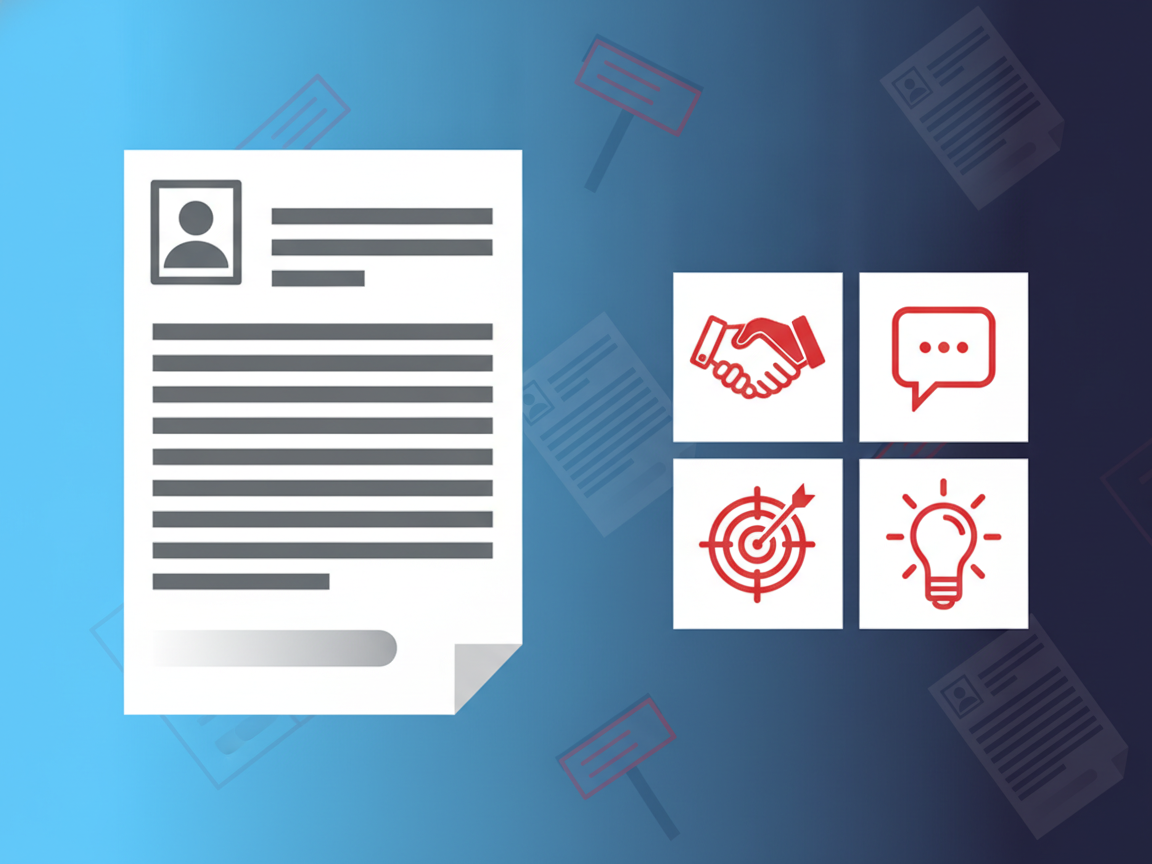
Employers hiring recent college graduates are moving toward skills-based hiring and leaning on GPA screening less than they did a few years ago. In its 2026 Job Outlook Spring Update, NACE reports that only 42% of employers plan to screen candidates by GPA, down from 73% in 2019, and roughly 70% say they hire based on skills rather than GPA alone, as summarized by the University of Florida's career center.
The same research shows what employers want to see instead. 85% of employers look for teamwork skills on the resume, and a separate NACE release lists problem-solving, communication, and a strong work ethic alongside it. NACE president and CEO Shawn VanDerziel put the shift plainly: "In a recruiting environment that is increasingly based on skills that translate to the workplace instead of GPA and major, it's important for students to reflect on their academic, experiential, extracurricular, and work experiences to identify the skills they have sharpened" (NACE).
Two cautions belong here. This is data on entry-level hiring of college graduates, not high school hiring, and 42% of employers still screen on GPA. The direction is clear, but the doors have not closed on grades.

Soft Skills and Workplace Success: What Economists Found
The labor market has been rewarding social skills for decades, and the pay gap shows it. Harvard economist David Deming found that between 1980 and 2012, jobs requiring high levels of social interaction grew by 11.8 percentage points as a share of all U.S. jobs, while math-intensive but less social jobs, including many STEM occupations, shrank by 3.3 points (Deming, Quarterly Journal of Economics).
Wages followed the same pattern. Over those years, pay for high-math, low-social-skill jobs grew only about 5.9%, compared with about 26% for high-math jobs that also demanded high social skills. Deming also found that the wage return to social skills rose from 2.0% to 3.7% per standard deviation between two generations of workers he tracked (the NLSY79 and NLSY97 cohorts).
Read that closely. The winners were not people with soft skills instead of academic ability. They were in jobs that rewarded both.

Why Grades Miss the Behaviors Employers Notice
A transcript records what a student can do on a test, and employers are hiring for what a person does on a Tuesday afternoon with a difficult coworker. Nobel laureate James Heckman and Tim Kautz made the point directly: "Achievement tests miss, or perhaps more accurately, do not adequately capture, soft skills," which they define as personality traits, goals, motivations, and preferences (Heckman and Kautz, NBER).
Their best-known example is the GED evidence. After accounting for pre-existing cognitive ability, they found that GED recipients "perform much worse in the labor market than high school graduates and much more like other high school dropouts." The credential showed the knowledge. It could not show the follow-through.
You have probably seen this in your own building. We have written before about what employers actually mean when they say they can't find good workers, and it is rarely about math. It is about showing up, listening, and handling feedback. At Boost we teach the foundational skills first, like greeting someone, eye contact, and listening, because the "soft skills" employers name, such as conflict resolution and leadership, depend on them, much like basic math comes before algebra [Internal: Boost Brand Bible v2]. Hiring managers who took part in our mock interview program told us, "These students were better than most of the real interviews we do" [Internal: Boost Bible]. That is a small, self-reported signal, not a study, but it matches what the research suggests: these behaviors can be taught and they show.
What This Evidence Does Not Say
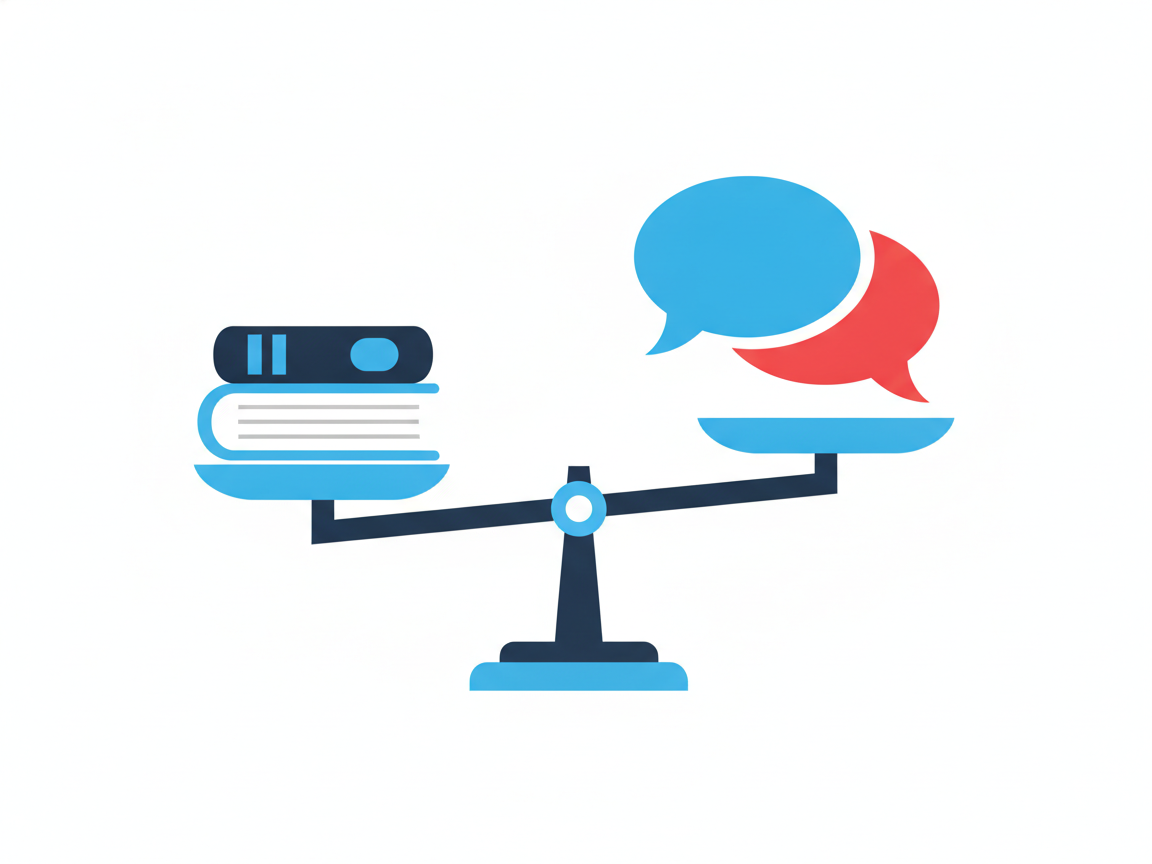
None of this proves soft skills predict career success better than GPA. The data does not support that claim, and you should be wary of anyone who makes it. Employer surveys measure what employers say they screen for, which is not the same as who succeeds on the job. Deming's strongest results involve jobs that combine math with social skill. Heckman and Kautz report that conscientiousness is the most widely predictive of the commonly used personality measures, which supports the idea that these traits add something grades do not capture, not that they outrank them.
So the defensible claim is narrower and still important. Grades tell you part of the story, employers are screening for the rest, and a school that leaves the rest to chance is leaving students short of what the market now asks for. Our look at how soft skills differ from hard skills covers why treating them as an either-or has held schools back.

What Schools Can Do With This Evidence
Treat soft skills as something you teach on purpose, with practice and repetition, instead of something students absorb from the hallway. That is the whole shift. In practice, three moves matter most:
- Name the skills. "Communication" is a hope. "Starts a conversation, makes eye contact, and listens without interrupting" is a behavior a student can practice.
- Give them reps. One assembly does not build a skill, and it is one reason interns often arrive without basic workplace habits.
- Show the evidence to your board. The hiring and wage data above is public, recent, and easy to cite when you make the case for protected class time.
Our 8-week curriculum teaches 26 named Boost Skills to high school students in exactly this way, delivered by certified Boost coaches or trained staff. If you are a school administrator weighing how to fit this into your schedule, we are glad to talk it through. You can schedule a discovery call and bring your questions.
Frequently Asked Questions
Are Soft Skills More Important Than Grades for Career Success?
The evidence points to both mattering. Employers are screening less on GPA (42% in 2026 versus 73% in 2019), and Deming found the strongest wage growth in jobs that pair math with social skills. Grades signal ability, and soft skills show how a person applies it.
Do Employers Care About GPA?
Less than they used to in college hiring. NACE reports that 42% planned to screen by GPA in 2026 and about 70% hire on skills rather than GPA alone, though many still look at it.
What Soft Skills Do Employers Want Most?
Teamwork, problem-solving, communication, and work ethic lead NACE's 2026 findings. 85% of employers look for teamwork on the resume.
Can Soft Skills Be Taught in High School?
Yes. Heckman and Kautz argue these skills respond to instruction and practice, and Boost teaches them in a dedicated 8-week course built on lesson, practice, and repetition.
Why Don't Grades Measure Soft Skills?
Achievement tests were built to measure academic knowledge. As Heckman and Kautz put it, they "miss, or perhaps more accurately, do not adequately capture, soft skills."
References
- NACE Job Outlook 2026 Spring Update, summarized by UF Career Connections Center
- NACE Candidate Selection
- NACE press release on high-impact skills for resumes, 2026
- Deming, The Growing Importance of Social Skills in the Labor Market
- Heckman and Kautz, Hard Evidence on Soft Skills
- What Employers Actually Mean When They Say "We Can't Find Good Workers"
- Soft Skills vs. Hard Skills
- Why So Many High School Interns Struggle With Basic Workplace Skills
Ready to bring Boost to your school?
Schedule a discovery call to see how the Boost curriculum fits your students.
Schedule a Discovery Call