
What Hiring Managers Told Us About the Soft Skills Gap in 2026
- In a 2026 Drexel LeBow survey of 647 employers, reliability (4.87 out of 5) and professionalism (4.80) ranked as the most important early-career competencies, ahead of every technical skill.
- In a survey of 1,005 U.S. hiring managers, 62% said hard and soft skills are equally valuable and 24% said soft skills matter more. Only 14% put hard skills first.
- Employers keep naming the same gaps in new hires: communication, professionalism, reliability, accountability, and time management.
- These are behaviors, and behaviors can be taught. Schools that treat them as a named, practiced course give students what a transcript cannot show.
If you ask ten hiring managers what is wrong with new hires, you will hear the same answer ten different ways. They show up late. They go quiet when something goes wrong. They cannot write a clear email. They take feedback as an insult. When we talk with employers and administrators, nobody says the problem is that students cannot do algebra. The soft skills gap in 2026 is a gap in behavior, and the best recent surveys describe it in consistent terms. Here is what hiring managers told researchers, what it means for what your school measures, and where we think the evidence stops. By soft skills we mean the behaviors, such as communication, reliability, and teamwork, that determine how a person applies what they know.
What Hiring Managers Say They Value Most in 2026
Employers rank reliability and professionalism above almost everything else when they hire early-career workers. The LeBow Center for Career Readiness at Drexel University surveyed 647 employers between August and October 2025, and its Early-Career Skills Outlook 2026 rated reliability at 4.87 on a five-point importance scale and professionalism at 4.80. Critical thinking (4.61), teamwork (4.52), and communication (4.51) followed. Technical skills as a category averaged 3.11, well below the 4.38 for soft, interpersonal, and cognitive skills.
A separate survey points the same direction. In a December 2025 report from ResumeTemplates.com covering 1,005 U.S. hiring managers, communication led the soft skills list, followed by professionalism, time management, and accountability, as reported by HR Dive. The firm's chief career strategist, Julia Toothacre, said she was surprised to see professionalism rank second.
Notice what is missing from both lists. Nobody put "grade point average" at the top. These are the habits of someone you would trust with a Tuesday afternoon shift.

Where Employers Say New Hires Fall Short
The same words show up when employers describe the gap. In the LeBow report's open-ended responses, employers cited weaknesses in communication, professionalism, reliability, accountability, and time management among early-career candidates. One small employer wrote that many applications are rejected because early-career candidates are often poor writers. Another said people skills, both with clients and across teams, are a growing challenge.
A TestGorilla survey of more than 1,000 hiring professionals in the U.S. and U.K. found that 60% say soft skills matter more than they did five years ago, and 78% have seen an employee underperform because of missing soft skills or poor fit, according to Allwork.Space.
One caution applies to all of this. These are employer perceptions from surveys, and the Drexel authors describe their own findings as directional insights rather than precise estimates. The sample leans toward small and mid-size employers and the Northeast. Treat the pattern as strong and the exact numbers as approximate.
Why Report Cards Do Not Show the Gap
A transcript records what a student knows. Employers are asking what a student does. Reliability, accountability, and professionalism do not appear on a grade report, so a school can have strong academic results and still send out graduates who struggle once they start a job.
You have probably seen this in your own building. We have written about what employers actually mean when they say they can't find good workers, and it is rarely about knowledge. It is about showing up, listening, and handling correction. The same pattern is behind why high school interns struggle with basic workplace skills.
Here is the part that matters most for administrators. Students are not broken. They are untaught. Most schools assume young people will pick up these behaviors at home or in the hallway, and then label the result "unmotivated" or "not resilient." The more useful question is whether anyone ever taught them how.
What These Skills Look Like When You Teach Them
Employers name big words, and students need small behaviors. "Communication" is a hope. "Looks the person in the eye, uses their name, and asks a follow-up question" is something a student can practice on Monday and improve by Friday.
That is how we approach it at Boost. Our 8-week curriculum teaches 26 named skills, and the foundation comes first: greeting someone, eye contact, listening, saying thank you, apologizing sincerely [Internal: Boost Bible]. The skills employers list, such as conflict resolution and leadership, sit on top of those basics, much like basic math comes before algebra [Internal: Boost Brand Bible v2]. We also built a mock interview program where students sit across from real adults who hire at their companies. Those hiring managers told us, "These students were better than most of the real interviews we do" [Internal: Boost Bible]. That is a small, self-reported signal, not a study, but it fits the survey picture: these behaviors can be taught, and employers notice when they have been.
For context on the evidence we hold ourselves to, our own pilot involved about 30 students, and about 87% finished the program saying they understood that a specific set of skills lets a person get what they want in life, up from 20% on day one [Internal: Boost Bible]. It is self-reported and small, and we do not present it as proof of long-term outcomes. Independent outcome data is something the field still needs.
What This Evidence Does Not Say
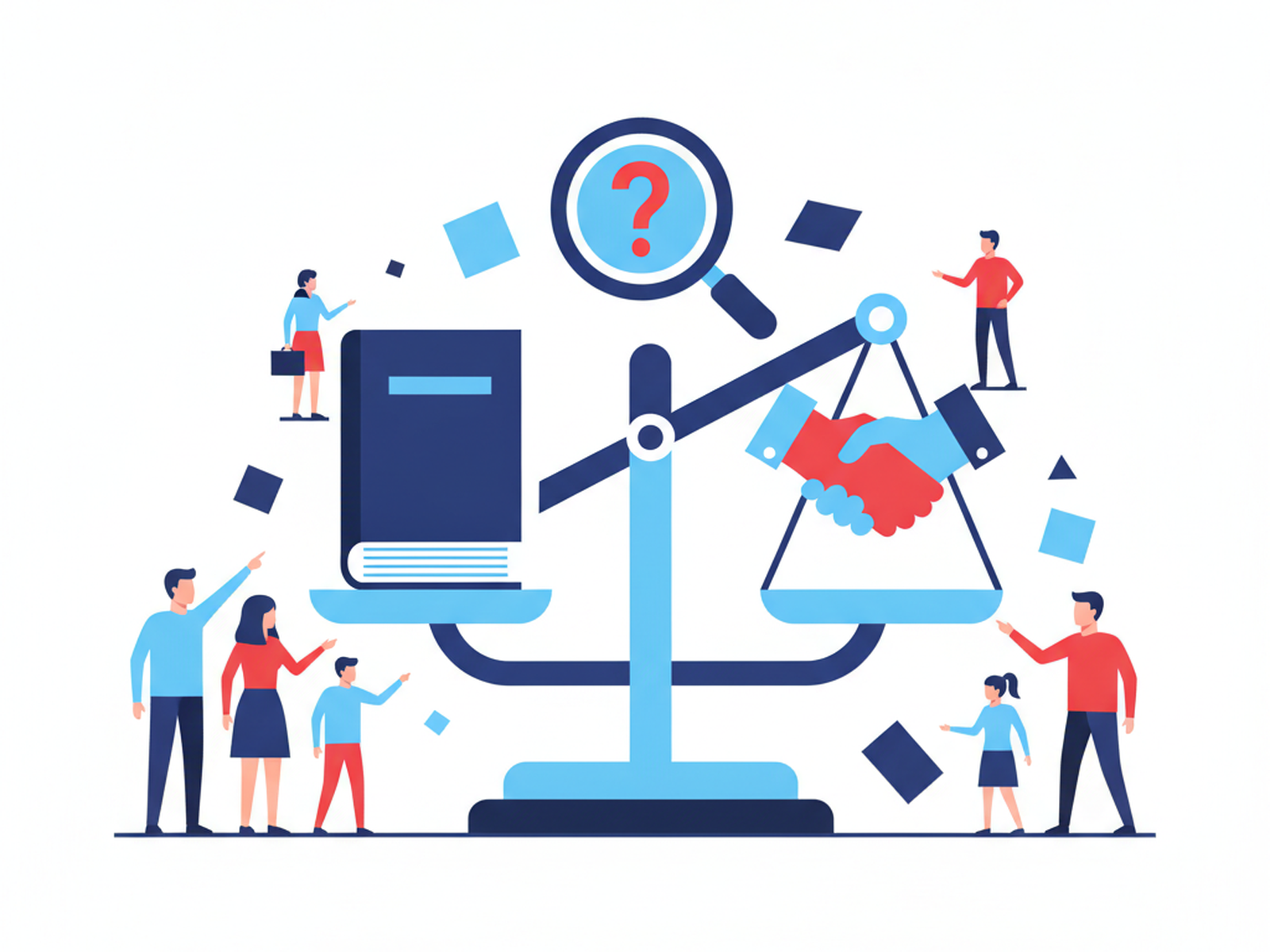
The surveys do not prove that soft skills cause better careers, and they do not say grades are irrelevant. In the HR Dive report, 62% of hiring managers said hard and soft skills are equally valuable, which is a call for both rather than a replacement. Employer surveys capture what employers say they want and what they notice, not a measured link to long-term job performance. They also describe hiring of early-career workers broadly, not only high school graduates.
The defensible takeaway is narrower and still useful. If employers consistently rate reliability, professionalism, and communication above technical knowledge, and consistently report gaps in those same areas, a school that leaves them to chance is leaving a predictable gap open. Our look at soft skills versus hard skills explains why treating them as an either-or has held schools back.

What Administrators Can Do With This
Start by measuring what employers say they want, not only what a report card can hold. Three practical steps follow from the data.
- Ask local employers the same questions. Run a short survey of five to ten employers who hire your graduates and compare their answers to the national lists above.
- Name the behaviors. Turn "professionalism" into specific, observable actions students can practice, and tell students why each one matters to their own goals.
- Give them repetition. One assembly does not build a skill. Practice, feedback, and a second try do.
If you are weighing how to fit this into your schedule or your budget, you can schedule a discovery call and we will talk it through with you.

Frequently Asked Questions
What Is the Soft Skills Gap?
It is the difference between the behaviors employers want from new hires, such as reliability, communication, and professionalism, and what many early-career workers show on the job. Employers in the 2026 LeBow survey and the ResumeTemplates.com survey describe it in nearly identical terms.
Which Soft Skills Do Employers Rank Highest?
In the LeBow survey, reliability (4.87), professionalism (4.80), critical thinking (4.61), teamwork (4.52), and communication (4.51) ranked highest on a five-point scale. Hiring managers in the ResumeTemplates.com survey put communication first.
Do Employers Prefer Soft Skills or Technical Skills?
Most want both. 62% of the hiring managers surveyed said hard and soft skills are equally valuable, 24% said soft skills matter more, and 14% said hard skills matter more.
Can Schools Close the Soft Skills Gap?
Schools can teach the underlying behaviors on purpose, with practice and repetition, instead of hoping students pick them up. That is the approach we use in our 8-week curriculum, though independent outcome data is still limited across the field.
How Reliable Are These Employer Surveys?
They show a consistent pattern, but they measure employer perception, not proven job outcomes. The Drexel authors call their results directional insights rather than precise estimates.
References
- Drexel LeBow Early-Career Skills Outlook 2026
- HR Dive: Hiring Managers Name the Top Hard Skills and Soft Skills for 2026
- Allwork.Space: 60% of Employers Say Soft Skills Are Now More Important Than Five Years Ago
- What Employers Actually Mean When They Say "We Can't Find Good Workers"
- Why High School Interns Struggle With Basic Workplace Skills
- Soft Skills vs. Hard Skills
Ready to bring Boost to your school?
Schedule a discovery call to see how the Boost curriculum fits your students.
Schedule a Discovery Call