
Why Most 'Student Leadership' Programs Skip the One Skill That Matters Most
- Most "student leadership" programs teach titles and duties (run the meeting, plan the dance, keep the minutes), not the actual skill of leading people who don't have to listen to you.
- The skill underneath every leadership title is influence without authority: getting people to follow your lead voluntarily, which is what makes the title work in the first place.
- 69% of hiring managers now say the gap between the skills young jobseekers bring and the skills the job actually requires is the widest they've ever seen (Stagwell).
- Leadership is teachable as a specific, practiced behavior (listening, giving credit, following through) the same way any other Boost Skill is, but only if a school teaches it directly instead of assuming a role will produce it.
- Schools that want to close the gap need to separate "who has the title" from "who has the skill" and build practice time for the second one, on purpose.
Every school has a class president who couldn't lead a group project if the grade depended on it. It's not a knock on the kid. He probably won the election on likability, a good speech, or just being the one who raised a hand when nobody else did. Nobody taught him leadership skills for high school students the way you'd teach anything else: directly, in pieces, with practice. Once the microphone's off and three sophomores are staring at him waiting for a plan, that gap shows up fast.
That gap between the title and the skill is where most student leadership programs quietly fall short, and it's worth naming directly.

What "Student Leadership" Programs Teach vs. Real Leadership Skills
Ask most schools what their leadership program covers, and the answer is a list of activities: run student council meetings, plan the homecoming dance, organize a food drive, sit on a panel. Those are real responsibilities. They're also almost entirely logistics, not leadership.
A student can execute every one of those tasks with a checklist and a group chat. None of them require the thing that actually separates a leader from an event planner: the ability to get people who don't answer to you to move in the same direction, willingly. Student council and similar structures reward the students who are already popular or already organized enough to win an election, then hand them a title and assume the skill comes bundled in.
It usually doesn't. That's not a criticism of the students; it's a structural problem with how "leadership" gets taught. A title is a credential. A skill is a behavior you can practice, get feedback on, and get better at. Most programs deliver the first and skip the second, which is a version of the same gap we've written about before in what employers actually mean when they say they can't find good workers: the credentials look fine on paper, and the underlying capability still isn't there.
The Skill Underneath the Title: Influence Without Authority
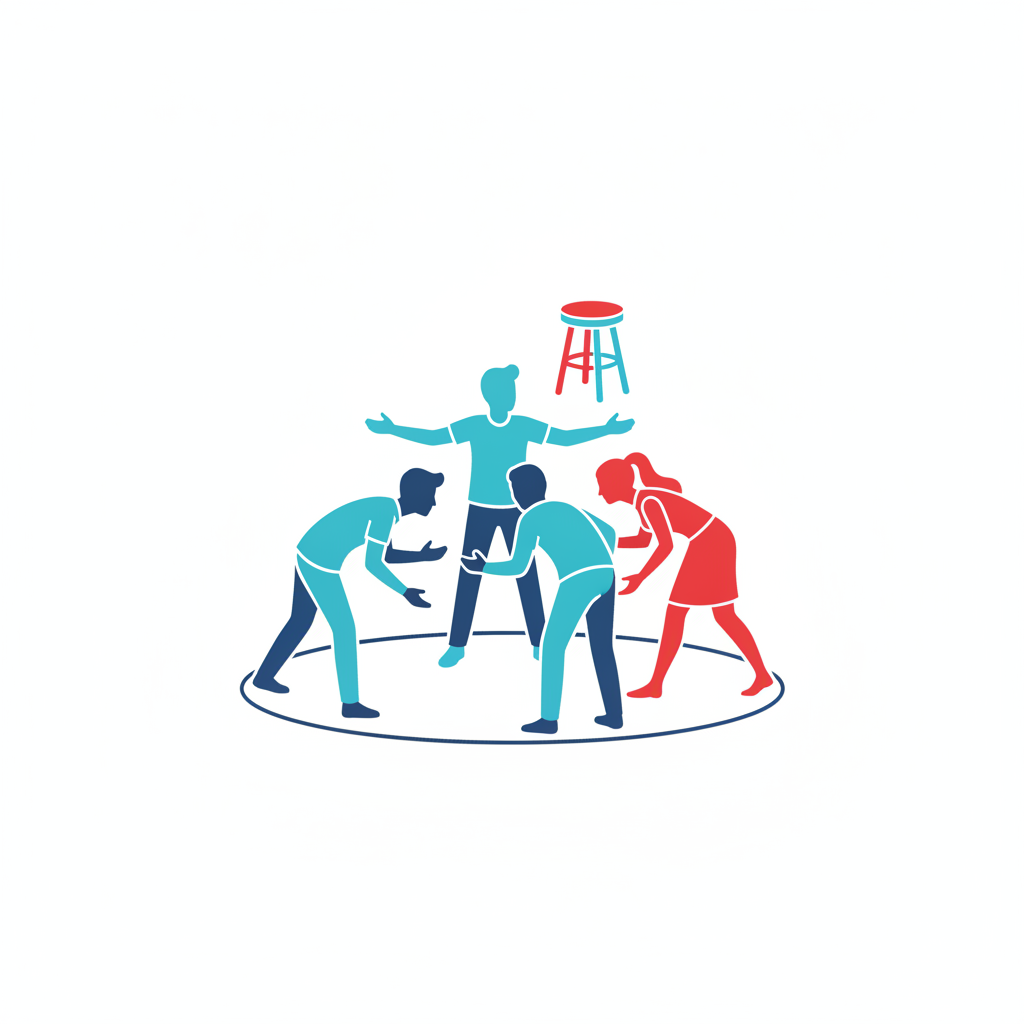
Strip away the title, the sash, and the seat at the front of the room, and leadership comes down to one transferable skill: getting people to follow your lead when they have no formal reason to. Call it influence without authority. It's the same skill a group project relies on, the same skill a first job depends on in week one, and the same skill that determines whether a manager two years from now actually trusts a 22-year-old with a real team.
This lines up with what employers are already telling us. 29% of business leaders say they wouldn't hire today's entry-level candidates at all, citing a lack of preparedness rather than a lack of credentials (General Assembly, 2025). And per the employer data we track at Boost, roughly 85% of long-term career success comes down to soft skills like this one, not technical knowledge [Internal: Boost Brand Bible].
At Boost we call this the Level 1 vs. Level 2 framing: leadership, conflict resolution, and communication are Level 2 skills that employers name explicitly, but none of them work without a Level 1 foundation underneath (eye contact, listening, giving genuine credit, following through on what you said you'd do), built across the People Skills, Character, and Healthy Mindset pillars of the 26 Boost Skills. As Rob Heller, owner and VP of Sales at The Boost Program, puts it: "The 26 Boost Skills are Level 1. You need them before Level 2 soft skills like conflict resolution, leadership, and communication. It's basic math before algebra." [Internal: Boost Messaging & Copy Bank] We've broken down that foundation in more detail in the 8 people skills every student needs before their first job interview and in the real reason students can't hold a conversation anymore.
It also explains why so much of the SEL field misses this age group entirely. An estimated 37% of evidence-based SEL programs even reach secondary students; the field is overwhelmingly built for elementary and early-middle grades [Internal: Boost Brand Bible], which means the exact window when kids are old enough to practice real influence (freshman through senior year) is the window with the least direct instruction available.

How Schools Can Teach Leadership Directly, Not Assume It
If leadership is a skill, it gets built the way every other skill gets built: through repeated, coached practice, not a single assembly or an election. A few things that actually move the needle:
Give every student practice reps, not just the ones with titles. A leadership skill built through role-play, group tasks, and real feedback develops faster than one built through observation. That means structuring practice so kids who aren't class president still get chances to run a meeting, resolve a disagreement between teammates, or make the ask nobody wants to make. This is where certified Boost coaches or trained school staff earn their keep: running the reps, not just describing them, so school administrators see actual behavior change instead of a workshop that fades by Friday.
Separate the role from the skill in how it's taught and assessed. Instead of "leadership training" being a badge earned by getting elected, treat it as a curriculum item: specific behaviors, practiced and rated, the same way Boost's own Striving to 100 assessment has students and an adult mentor rate skill growth on a 1-to-5 scale across concrete behaviors, not vague impressions [Internal: Boost Program Research Paper].
Teach the skill before the situation demands it. Waiting until a student is already the team captain to teach them how to lead is backwards. The Boost model teaches these skills proactively, in an 8-week course, the same way it teaches goal setting or handling conflict, because a skill practiced before it's needed is available when it actually is. We go deeper on why that sequencing matters in inside the Boost Formula.
Make the connection to what's next explicit. Students buy in faster when they understand this isn't about winning a class election; it's the exact skill a hiring manager is quietly evaluating in a group project at their first internship, and it's the same gap we covered in the workforce readiness curriculum gap.
None of this requires scrapping student council or class officer elections. Those structures are fine as a container. The fix is making sure the skill gets taught inside that container instead of assumed by it.

Frequently Asked Questions
What Are Leadership Skills for High School Students?
The core transferable ones are communication, listening, empathy, follow-through, conflict resolution, and the ability to motivate people who don't report to you, not a title like class president or club captain.
How Do You Teach Leadership to Teenagers?
By practicing the underlying skill directly and repeatedly through role-play, real group tasks, and feedback on how they influence peers, rather than assuming a title or a single assembly will develop it.
Why Is Student Leadership Important?
Because the skill of influencing and organizing others without formal authority transfers directly to college group work, first jobs, and every team environment a student enters after graduation.
What Is the Difference Between a Leadership Title and a Leadership Skill?
A title (class president, team captain) grants formal authority; the skill is the ability to get people to follow your lead voluntarily, and that skill is what actually determines whether the title works.
Can Leadership Be Taught, or Is It a Natural Trait?
It can be taught. Program data and classroom practice consistently show leadership behaviors like listening, influence, and accountability improve with direct instruction and repeated practice, not just innate temperament.
References
- Stagwell, 2025 Hiring Manager Survey
- General Assembly, 2025 Entry-Level Preparedness Report
- What Employers Actually Mean When They Say They Can't Find Good Workers
- The 8 People Skills Every Student Needs Before Their First Job Interview
- The Real Reason Students Can't Hold a Conversation Anymore
- Inside the Boost Formula: How We Turn 26 Skills Into Behavior Change
- The Workforce Readiness Curriculum Gap: What Schools Are Missing