
From Untaught to Unstoppable: What Happens When Students Learn That Life Is Skill-Based
- The most powerful shift that happens in Boost isn't a skill. It's a belief. When students genuinely accept that the skills they need are learnable, not fixed, not inherited, not a matter of luck or personality, everything about how they approach their own development changes.
- Twenty percent of students say "Absolutely" when asked if they believe life is skill-based on day one. By the final day, 87% say the same thing. That 67-point shift is not a program outcome. It is the condition that makes all other outcomes possible.
- Students who come into Boost having been told (explicitly or implicitly) that they're not capable, not smart enough, not the right kind of person, don't need more encouragement. They need a new frame.
- "Not broken, untaught" is the operating premise of everything Boost does. Students are not deficient. They are in the middle of a developmental window during which the skills they need can still be built as defaults.
- What happens after this belief shift is what schools rarely get to see: a student who approaches challenges as learning opportunities, who fails forward, who shows up to develop rather than to perform. That student is different to be around, and different to teach.
The Belief That Changes Everything
Before a single skill is taught in Boost, students are asked a question. It's the same question asked on the last day, so there's a direct comparison: "After the Boost sessions I now feel more than ever that there is a set of specific skills that allows me to obtain all I want in life. Do you agree?"
On day one, only 20% of students say Absolutely.
That number is important. It means four out of five students entering Boost don't believe, deeply, that the life they want is available to them through their own skill development. They may hope it is. They may want it to be. But when asked to commit to it, most students aren't there.
That gap is what Boost is designed to close first, before any skill, any lesson, any practice session. Because a student who doesn't believe skills can change their life will resist practice. They'll go through the motions. They'll smile and nod and check the box. But they won't do the internal work that makes a skill stick.
What "Untaught" Actually Means
The standard story schools tell about struggling students is a story about what's wrong with them. Behavioral issues, attentional issues, motivational deficits, difficult home environments. All of these are real. And all of them are used, consciously or not, to explain why a student is the way they are in ways that suggest the situation is fixed.
Boost operates from a different story. Every skill gap is a teaching gap. The student who can't make eye contact wasn't born unable to hold a gaze. They grew up in an environment where no one taught them what eye contact communicates and why it matters. The student who gossips constantly isn't morally deficient. They've been using the tools they have for social connection because no one ever showed them a better tool. The student who shuts down when challenged hasn't failed at grit. They haven't been given a framework for understanding what struggle is for.
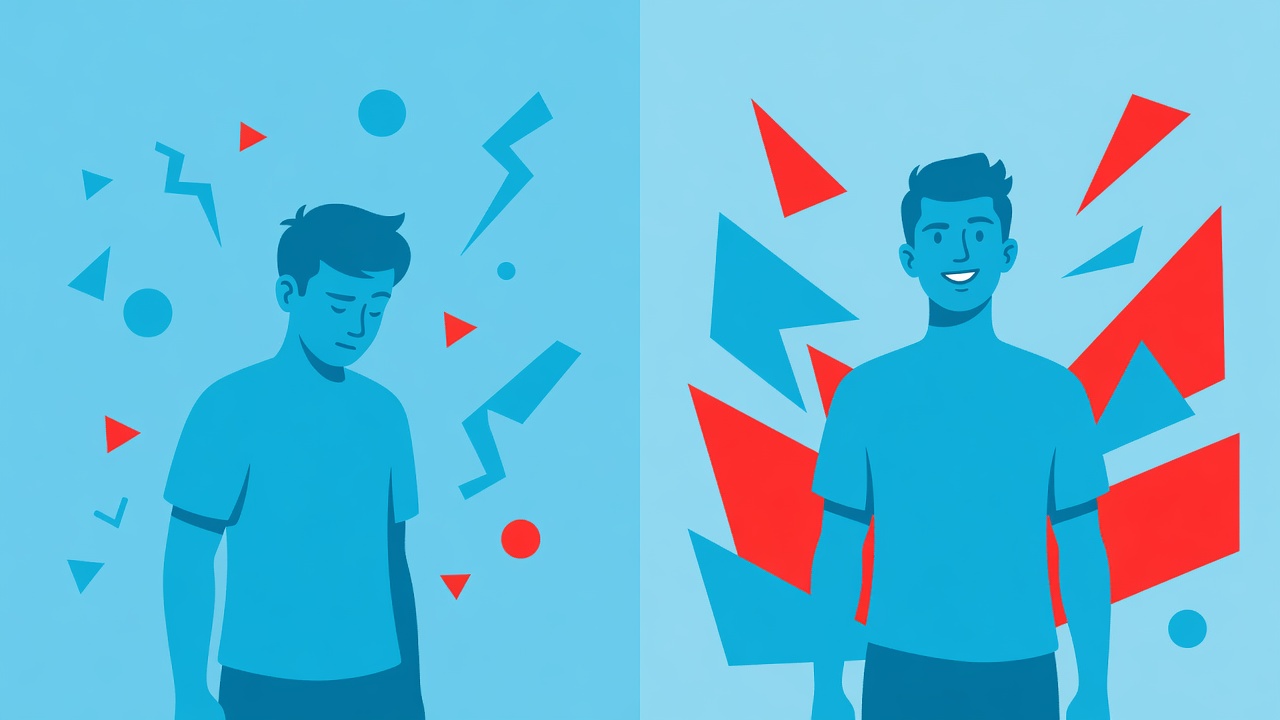
Untaught is a specific and correctable condition. It's different from incapable, which is not. The language matters because the language determines the school's response. "This student has a problem" leads to management and accommodation. "This student has a gap" leads to instruction.
When students hear this framing about themselves, many for the first time, the response is often visible. Something relaxes. The story they've been carrying, the one that says they're behind or broken or just not the kind of person who succeeds, gets challenged in a way that feels real rather than just encouraging. It's not "you can do it if you believe in yourself." It's "here is the specific skill, here is how it works, here is the practice, and here is what changes when you build it."

What Unstoppable Actually Looks Like
The phrase "unstoppable" in the headline is not hyperbole. It describes what happens when a student has both the belief and the skills.
A student who believes life is skill-based and who has built the foundational skills, who can make eye contact, listen well, manage feedback without shutting down, regulate under stress, set and pursue meaningful goals, and handle conflict directly, is operating with a fundamentally different set of tools than most of their peers. They are not more talented. They are more equipped.
The jobs they land will be ones they interview better for. The relationships they build will be stronger because they can actually listen and engage. The challenges they face will be navigated more effectively because they have frameworks for making sense of setbacks. The teams they work on will benefit from their ability to communicate across difference and manage conflict directly.
This is not a guarantee of success. Life is more complicated than any program can fully address. But it is an honest description of what skill development makes possible, and of the degree to which unaddressed skill gaps limit what would otherwise be possible.
The students who go from 20% to 87% on that question are not changed by the program. They are changed by the genuine experience of learning something specific, practicing it, watching it work, and updating their belief about what's available to them.
The Moment the School Gets to See
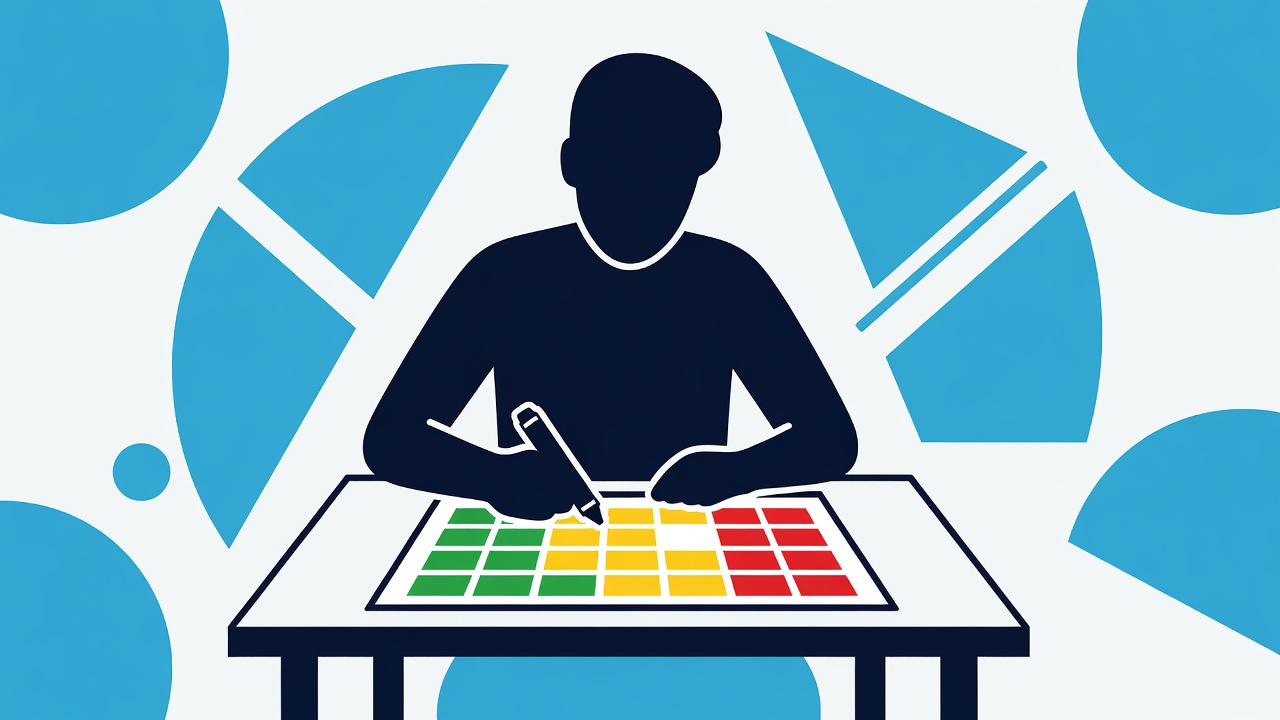
There is a moment near the end of every Boost program that coaches describe consistently. It happens during the rating worksheet. Students go through all 26 skills and color each one, green for strong, yellow for okay, red for needs work. They are doing this for themselves, not for a grade or a performance review or to tell someone what they want to hear.
Most students look at this worksheet and see, for the first time, an accurate map of where they are. Not where they wish they were. Not where they're supposed to be. Where they actually are, with specific strengths they can lean into and specific gaps they can work on.
The reaction is almost never shame. When the belief is in place, the gap is just information. "I'm a red on conflict resolution and a green on listening. I know what to work on." That is a student who has an honest relationship with their own development. That student is already different to be around.
What happens after Boost is the part most schools don't get to see. The hiring manager who says these students were better than most real candidates they interview. The college freshman who approaches a conflict with a roommate directly instead of letting it fester. The 23-year-old who gets promoted ahead of peers with more experience because they can do the thing their peers can't: build trust, take feedback, manage themselves under pressure, and bring people together.
That is the Boost outcome. Not the worksheet. What the worksheet makes possible.
Frequently Asked Questions
What is the "life is skill-based" belief and why does it matter?
"Life is skill-based" is the foundational belief that Boost teaches before any other skill. It holds that every outcome a student wants in life, relationships, career, wellbeing, requires specific skills, and those skills can be taught, practiced, and improved. The belief matters because students who don't hold it will resist the practice that builds the skills. Students who do hold it approach every gap as something workable, every setback as information, and every new skill as a real tool for a real outcome they care about.
What does the 20% to 87% shift in the before-and-after question actually mean?
It measures the shift in the foundational belief that makes skill development possible. On day one, only 20% of students firmly believe that a specific set of learnable skills can get them the life they want. By the final day, 87% believe it. This shift happens because students experienced the evidence firsthand: they learned specific skills, practiced them, watched them work, and updated their belief based on their own experience. That is more durable than any speech about potential.
How does Boost address students who've been told, explicitly or implicitly, that they're not capable?
By changing the story through experience, not persuasion. Telling a student they're capable when they have substantial evidence to the contrary doesn't work. Giving them a skill they didn't have before, a real, nameable, observable capability they can see functioning in real situations, works. The belief changes when the evidence changes. Boost provides the evidence.
What should schools tell students about the "not broken, untaught" concept?
Tell them directly. Many students respond powerfully to hearing this for the first time from an adult in an educational context: "You are not behind because of who you are. You are behind because of what you haven't been taught yet. That's the part we can fix." This framing removes the shame from the gap and replaces it with a workable problem. It also places responsibility appropriately, on the system that didn't teach, and on the student who now can learn.
What's the most important thing a school can do to support students after Boost?
Reinforce the language. Students who come out of Boost with the belief framework and the skills need adults in their environment to continue framing challenges as skill gaps rather than character deficits. Every time a teacher says "you're not the kind of student who does well on tests" or "you just don't apply yourself," they're actively working against the belief Boost built. Every time a teacher says "what skill would help you here?" or "what specifically went wrong that you can adjust?" they're reinforcing it. The program plants the belief. The school culture is what waters it.