Inside the Boost Framework: The Exact Methodology Behind Our 26 Skills
- The Boost method starts with the why: students first learn that life is skill-based, then practice 26 named skills across People Skills, Character, and Healthy Mindset.
- Each session pairs a lesson with practice and discussion across 8 weeks, which lines up with research on programs that are sequenced, active, focused, and explicit.
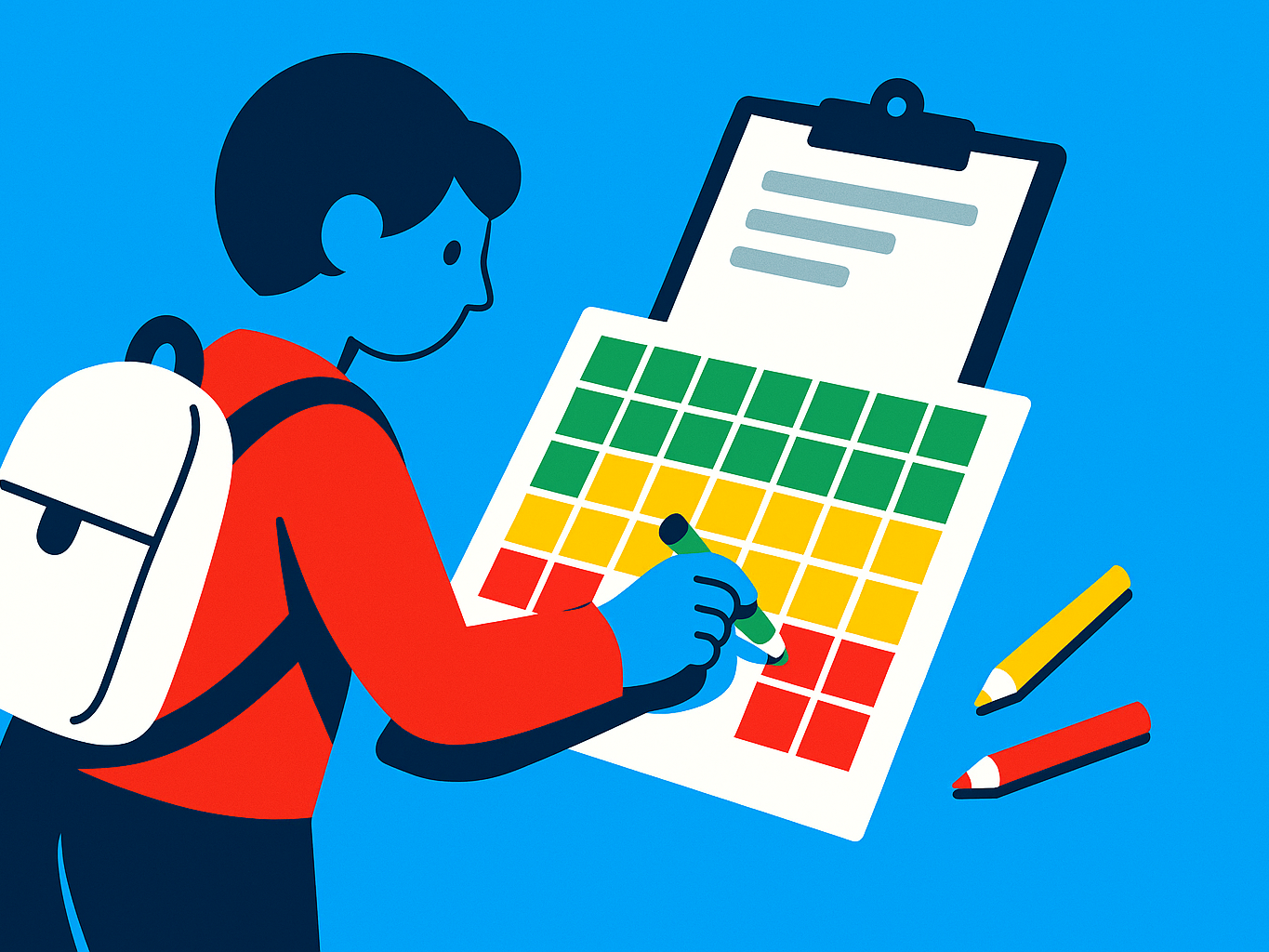
- Students finish by rating each of the 26 skills green, yellow, or red and choosing where to focus next, a self-assessment and not an independent measure.
- Boost is not Experian Boost, not the Maryland BOOST scholarship program, and not a business-coaching program.
Ask five administrators what a soft skills program is and you will get five different answers. Here is the Boost Program methodology framework in plain terms: what we teach, in what order, and why it is built the way it is. The short version is that we do not lecture students about being better. We show them why the skills matter to the life they want, then we have them practice until the behavior is theirs [Internal: Boost Brand Bible v2].

What Is the Boost Program Methodology Framework?
The Boost methodology is a why-first sequence: understand that life is skill-based, learn a specific skill, practice it, and repeat. The Brand Bible puts the order this way: a student must first understand that life is skill-based, then the three pillars organize which skills matter, then specific lessons live inside each pillar [Internal: Boost Brand Bible v2].
Before teaching a single skill, Boost asks students to picture the life they want, whether that is athlete, artist, business owner, or parent. Every one of those pictures requires the same foundational skills, and that connection is what gets teenagers to lean in [Internal: Boost Bible]. We also treat the 26 skills as foundations. Conflict resolution and leadership are the harder, second-level skills employers name, and they depend on the basics, the way basic math comes before algebra [Internal: Boost Brand Bible v2]. For more on the philosophy, see our post on what life is skill-based actually means.
How Do the Three Pillars Organize the 26 Boost Skills?
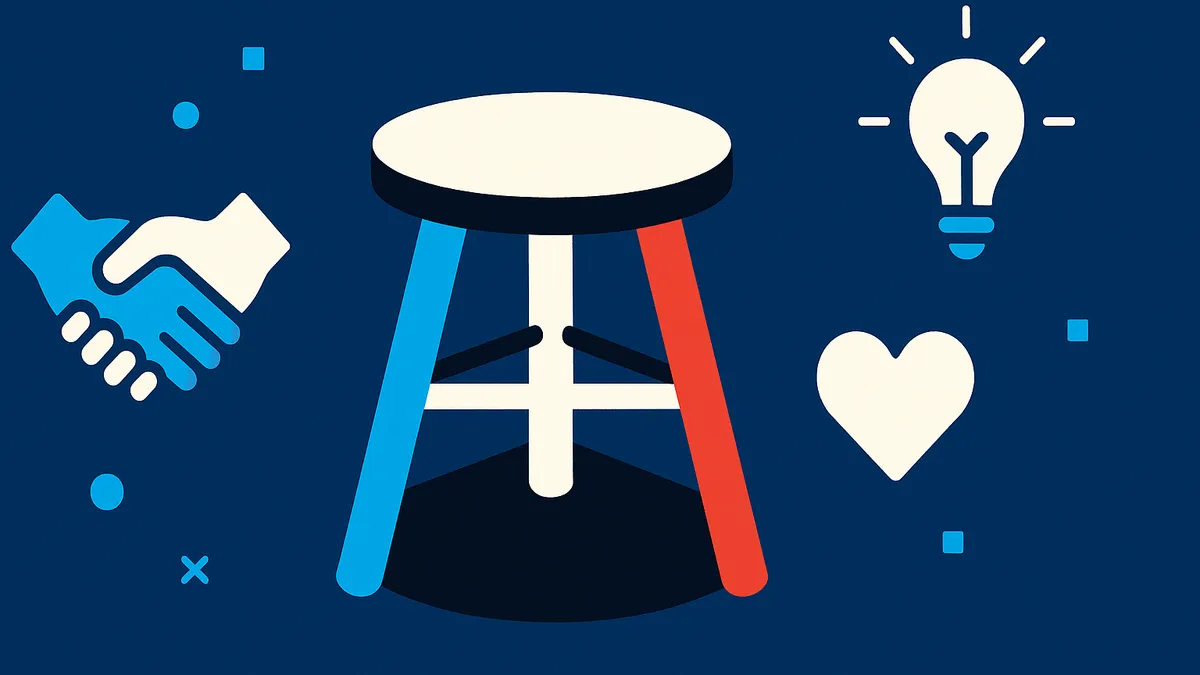
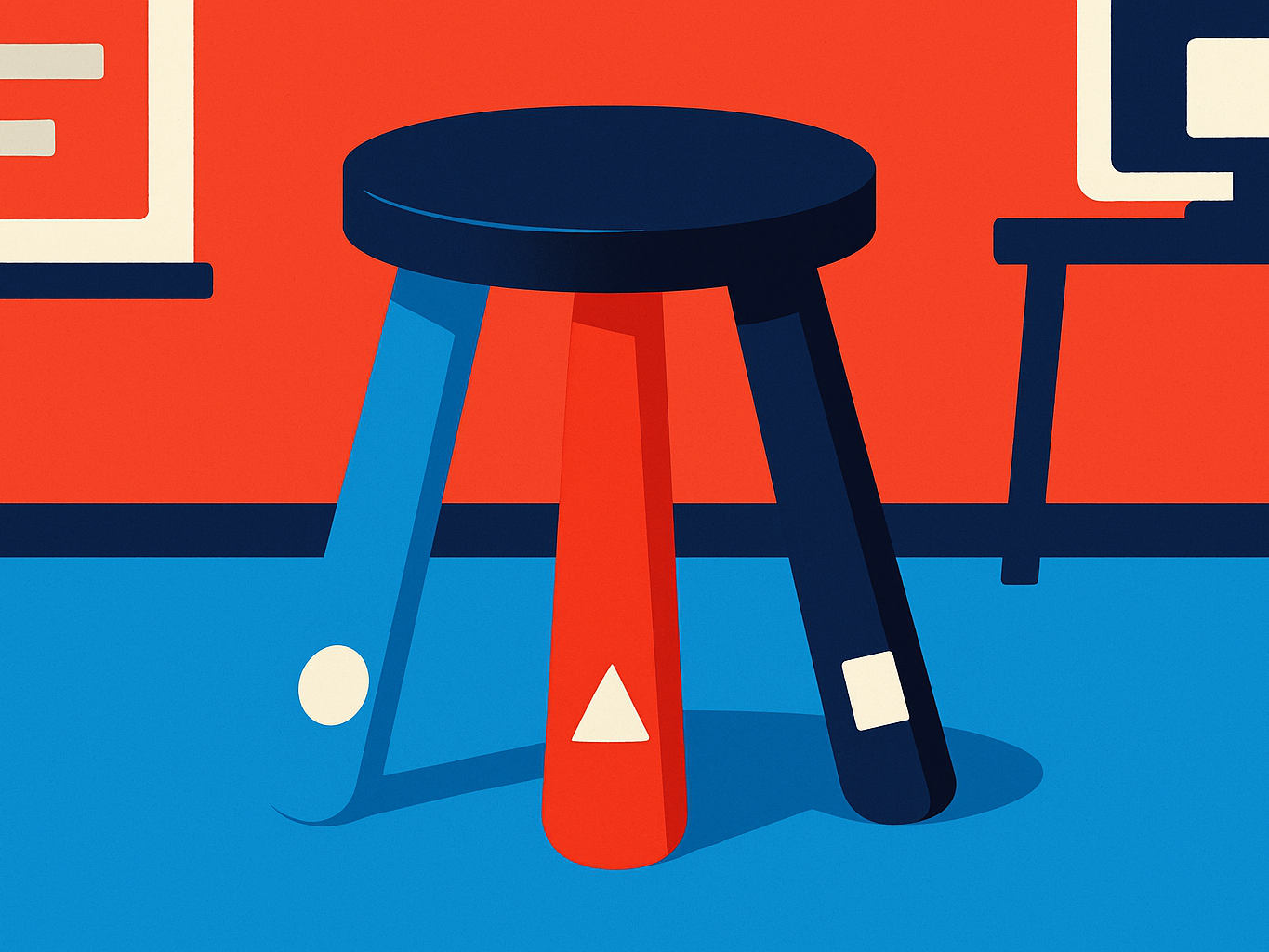
The 26 skills sit in three pillars, which the program calls the three legs of a stool: if one leg is weak, the whole structure becomes unstable [Internal: Boost Program Research Paper]. People Skills cover connecting with others through eye contact, using names, asking questions, listening, giving compliments, and reading nonverbal cues. Character covers honesty, empathy, humility, kindness, sincere apologies, and gratitude. Healthy Mindset covers growth versus fixed mindset, struggle as part of growth, goal setting, grit, and techniques for creating calm.
What makes this a methodology and not a poster is specificity. "Be likable" becomes a set of actions a student can do on Monday: smile, make eye contact, use someone's name, ask a question, and listen [Internal: Boost Program Research Paper]. Our guide to the 26 skills every high school student needs lists them in full.
Why Does Boost Use Lesson, Practice, and Repetition Instead of Lecture?
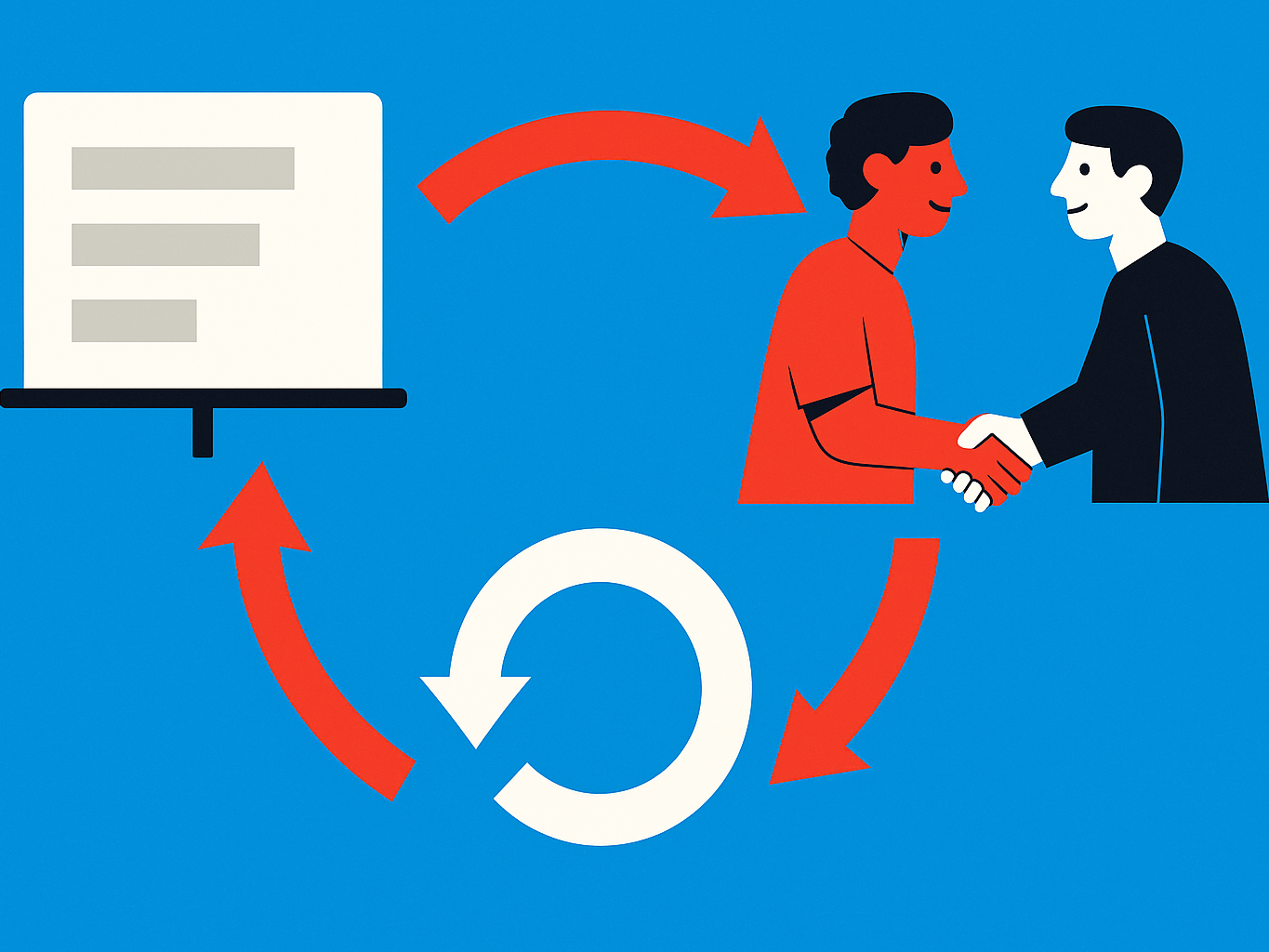
Because skills are built by doing, not by hearing about them. Each Boost session pairs a lesson with practice and discussion, using videos, worksheets, role-play, and reflection [Internal: Boost Bible; Boost Program Research Paper]. In role-play, students rehearse realistic moments such as greeting someone, asking questions, and listening. Our founder's line for it: you do not become a musician by attending one concert [Internal: Boost Messaging and Copy Bank].
The research is consistent with that design, though it is not a test of Boost itself. A meta-analysis of 213 school-based programs and 270,034 students found that programs using sequenced, active, focused, and explicit (SAFE) practices produced significant effects on all six outcomes, while programs without them did so on only three (Durlak et al., Child Development). The Institute of Education Sciences also recommends exposing students to key concepts "on at least two occasions" separated by "several weeks to several months," rating that evidence as moderate for academic content (IES Practice Guide).
There is a case for teaching this at all. Heckman and Kautz wrote that "Achievement tests miss, or perhaps more accurately, do not adequately capture, soft skills," and that these traits "can be enhanced by education, parenting, and environment" (Heckman and Kautz, NBER). Our breakdown of the Boost Formula shows how that plays out in a session.

How Do the 26 Skills Map to an 8-Week Course?
The 8 weeks move from vision, to people skills, to character, to mindset, and end with a personal plan [Internal: Boost Brand Bible v2]. Week 1 is creating the life you want. Week 2 is becoming likeable, covering listening, names, greetings, and nonverbal cues. Week 3 covers skills that earn respect, such as honesty, empathy, humility, and kindness. Week 4 covers growth, including mindset, goals, and grit. Week 5 is You vs. Your Phone. Weeks 6 and 7 cover managing your thinking and creating calm, and Week 8 is My Boost Blueprint, a lifelong development plan.
For schools that need a different fit, Boost Applied covers the same 26 skills across a full semester with more role-play and practice [Internal: Boost Messaging and Copy Bank].
How Does the Green, Yellow, and Red Self-Assessment Work?
On the last day, each student colors all 26 skills green (strong), yellow (okay but can improve), or red (needs a lot of work) on the Boost Skills Techniques Rating Worksheet [Internal: Boost Bible]. No two worksheets look the same, and the point is self-awareness, not a grade.
The worksheet comes with a game plan. Lean into green skills, pick two yellow skills to focus on for 30 days, and pick one red skill and commit to one small daily practice [Internal: Boost Bible]. A second tool, "Striving to 100," has the student and an adult sponsor rate the student on a 1 to 5 scale before and after the program, creating a baseline to compare against [Internal: Boost Program Research Paper]. Both tools are self-reported or sponsor-reported. They show perceived growth, and the research paper is clear that independent outcome data is still needed.
How Is the Boost Program Different From Other Programs Named Boost?
The Boost Program is a school curriculum for teaching soft skills, and it is not affiliated with other products that share the word. Experian Boost, for example, is "a free feature that lets you add your on-time payment history of certain household bills to your Experian credit file" (Experian). Maryland's BOOST, short for Broadening Options and Opportunities for Students Today, "provides scholarships for some students who are eligible for the free or reduced-price school meals program" to attend eligible nonpublic schools (Maryland State Department of Education).
If you also come across a business or agency coaching program called Boost, that is not us either. Our quick guide for confused administrators covers the name collisions. To see the framework in your building, you can schedule a discovery call.
Frequently Asked Questions
What Is the Boost Program Methodology?
It is a why-first sequence over 8 weeks: students learn that life is skill-based, then learn and practice 26 named skills across three pillars. Each session pairs a lesson with practice and discussion.
How Does the Boost Program Teach Soft Skills?
Through videos, discussion, worksheets, role-play, and reflection. Skills are broken into concrete behaviors, such as smiling, making eye contact, and asking questions, so students can practice them.
Is the Boost Program the Same as Experian Boost?
No. Experian Boost is a credit feature that adds on-time household bill payments to a credit file. The Boost Program is a school curriculum for students.
Is the Boost Program the Same as Maryland BOOST?
No. Maryland BOOST is a state scholarship program for some students to attend eligible nonpublic schools. The Boost Program is a soft skills course delivered by certified coaches or trained staff.
References
- Durlak et al., The Impact of Enhancing Students' Social and Emotional Learning (Child Development, 2011)
- IES Practice Guide: Organizing Instruction and Study to Improve Student Learning
- Heckman and Kautz, Hard Evidence on Soft Skills (NBER, 2012)
- Experian: What Is Experian Boost?
- Maryland State Department of Education: BOOST Scholarship Program
- What Life Is Skill-Based Actually Means
- 26 Skills Every High School Student Needs Before Graduation
- Inside the Boost Formula
- Boost Program vs. Everything Else Named Boost
Ready to bring Boost to your school?
Schedule a discovery call to see how the Boost curriculum fits your students.
Schedule a Discovery Call