
What the Latest SEL Research Means for Your Budget Decisions
- A 2025 meta-analysis of 40 evaluations and almost 34,000 students found universal SEL programs raised grades and test scores by about 4 percentile points on average.
- Programs lasting longer than about four months showed gains of more than 8 percentile points. Shorter programs showed limited effects.
- The strongest evidence is at the elementary level, and the authors call the middle and high school evidence thinner and less conclusive.
- The research does not say SEL fails in high school. It says we know less about what works for older students, which is the real budget question behind SEL alternatives for high school.
If your board asks whether the latest SEL research justifies the spending you have, or a change, you can answer honestly and still keep it short. The newest large review is positive, but most of its evidence comes from younger students. That matters when you are looking at SEL alternatives for high school. Below we walk through what the study found, where it stops, and how we would think about the money. By soft skills we mean the behaviors, such as communication, reliability, and handling conflict, that determine how a person uses what they know.

What the 2025 SEL Meta-Analysis Actually Found
The headline finding is modest and real. A team from the University of Southern California and the Yale Child Study Center published a meta-analysis in October 2025 in Review of Educational Research, covering 40 studies and more than 33,700 students in grades 1 through 12. The studies ran in 12 countries between 2008 and 2020 and looked at universal programs offered to every student in a school.
Students in those programs earned better grades and test scores than students who got none. According to the Hechinger Report, the average gain was about 4 percentile points, which moves a typical student from the 50th to the 54th percentile. Three-quarters of the studies were randomized controlled trials, so the design is solid.
Read that number plainly. It is a small, positive effect on academics, and the programs were not mainly built to raise test scores. Yale's Christina Cipriano said, "Social emotional learning interventions are not designed, most of the time, to explicitly improve academic achievement."
Why Duration Matters More Than the Label
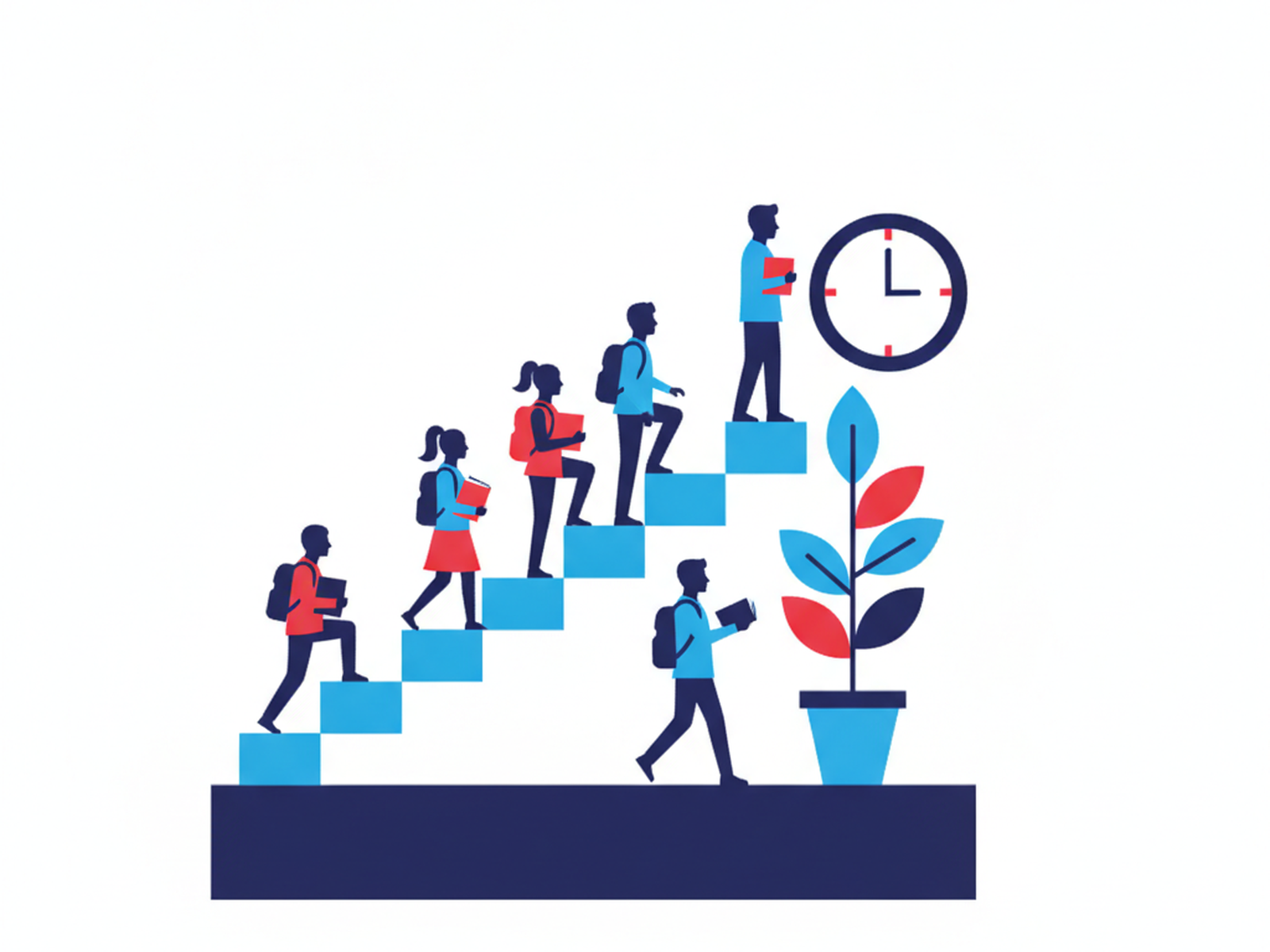
Length of the program predicted results better than the brand of program. Programs lasting more than about four months were consistently linked to academic gains, and the Hechinger Report put the average above 8 percentile points for them. Shorter programs showed limited effects.
That fits something we say often: you do not become a musician by attending one concert. A skill needs repetition, feedback, and a second try. We have written about why one assembly cannot teach a soft skill, and this finding backs the point from an independent direction.
It also raises an honest question for us. Our Boost Foundations course runs 8 weeks, and Boost Applied runs a full semester [Internal: Boost Brand Bible v2]. The duration finding suggests the longer format is the one to look at if you want the strongest effect. We have no independent study that tests that, so treat it as a reason to ask questions, not a promise.

What the Research Says About SEL in High School
The evidence for older students is thinner, and the authors say so. Elementary school supplies about two-thirds of the 40 studies, according to Hechinger. Middle and high school results were described as less conclusive, with fewer studies, and no separate effect sizes for older students were reported in the coverage we read.
The format differs too. Elementary lessons tend to be short and frequent, around 10 minutes a day. Older students usually get longer sessions of 30 to 90 minutes, weekly or monthly. Teenagers also ask a different question. A fifth grader accepts "because we do this." A sixteen-year-old wants to know why it matters to them.
That is the gap we keep coming back to in our own work. Most SEL was built for younger children and for embedding across every class, while high school students need a reason to buy in [Internal: Boost Brand Bible v2]. For a fuller look at what the model covers and where it thins out, see our piece on SEL in high school and where it falls short.
Where SEL Alternatives for High School Come From
Schools are not abandoning SEL. They are asking what fits teenagers. The CASEL and RAND 2024 survey found that 83% of principals reported using an SEL curriculum or program in 2023 to 24, up from 46% in 2017 to 18. So most schools have something in place, and the live question is whether it works for the older grades.
Educators are not unanimous. In an EdWeek Research Center survey fielded in December 2024, responses were mixed. One high school teacher in Kansas wrote, "Use your curriculum; when students go to science, they expect to learn science." The article did not report how many educators were surveyed, so we cannot say how common that view is.
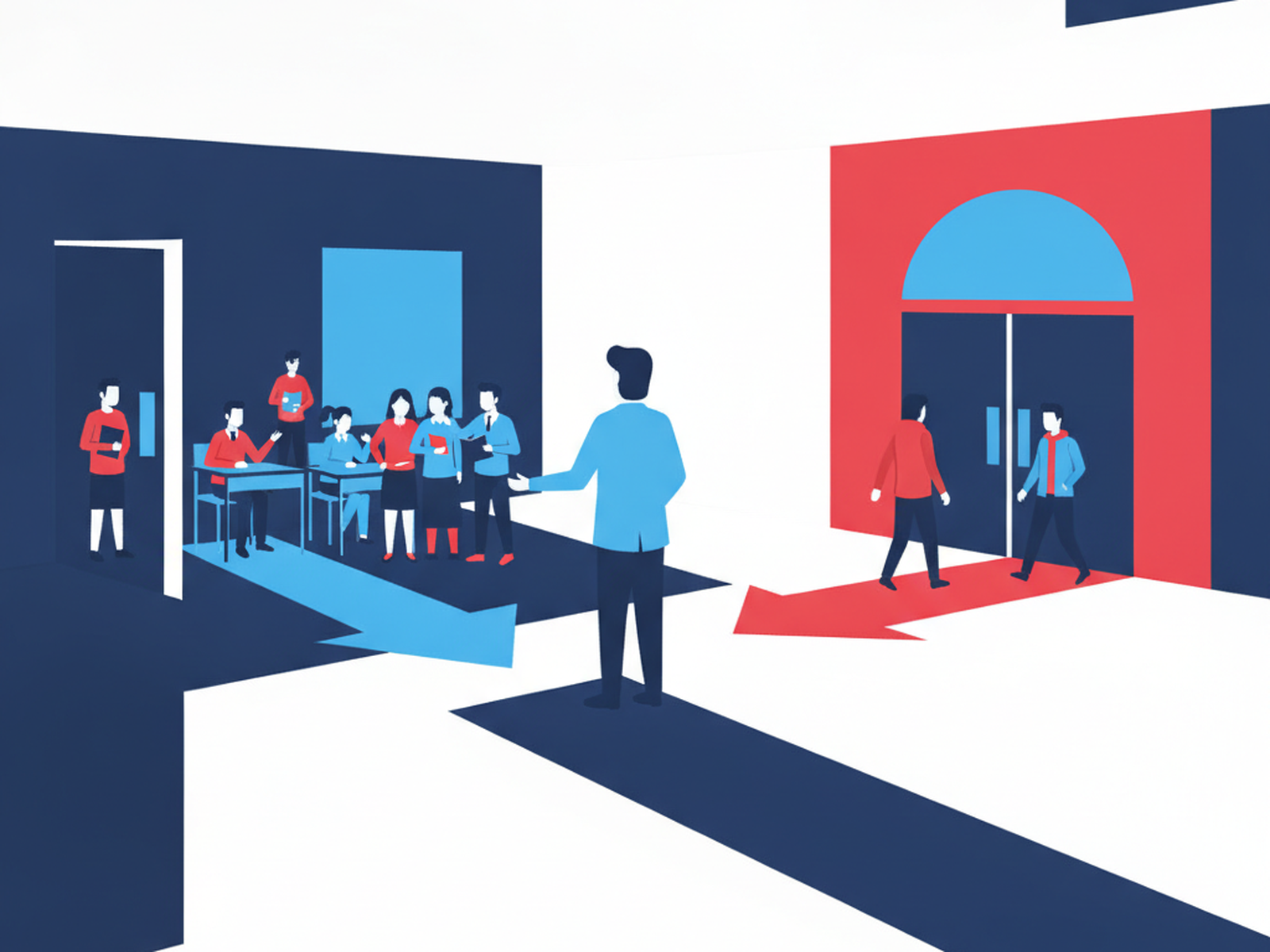
The alternatives we see schools trying share a pattern: a dedicated course instead of embedded lessons, named skills instead of a broad label, and practice instead of talk. Our overview of what high schools are trying instead of SEL covers the range. We think of Boost as the updated approach to SEL for high school, not a rejection of it [Internal: Boost Messaging and Copy Bank].

What This Evidence Does Not Say
The study does not show that any particular program works, and it does not show that SEL fails for teenagers. The reviewed studies cover only programs that had rigorous evaluations and academic outcomes, which is a small part of the market. The authors also could not say which specific skills drive the gains, and none of the studies tested SEL built into academic lessons.
It also says nothing about our program. Our pilot involved about 30 students, and about 87% said at the end that they understood life is skill-based, compared with 20% on day one [Internal: Boost Bible]. It is small and self reported. It shows students grasped an idea, not that their grades or behavior changed. Independent outcome data on Boost does not exist yet, and we will not pretend otherwise.
One more limit: the meta-analysis covers 2008 to 2020. Programs built since then are not in it.

How to Evaluate SEL Alternatives for High School on a Budget
Use the evidence to ask better questions of every program you fund, including ours. We would start with these:
- Ask for duration. Is it longer than a semester, or a one-time event? The research favors sustained programs.
- Ask for older-student evidence. Was it tested on high schoolers, and how? If the data comes from elementary grades, say so in your board packet.
- Ask what students practice. Our view is that students should be practicing skills, not just hearing about them. Ask to see a lesson.
- Name the skills. "Reliability" and "active listening" can be observed and measured. "Wellness" is harder to track.
- Check the funding source. Our look at how schools are funding soft skills programs now that ESSER is gone is a place to start.
If you want to talk through how this applies to your building, you can schedule a discovery call and we will give you straight answers, including where our evidence is thin.
Frequently Asked Questions
Does the Latest SEL Research Support Spending on SEL?
Yes, with limits. The 2025 meta-analysis found a small positive effect on grades and test scores, about 4 percentile points on average. The evidence is strongest in elementary grades.
Is There Good Evidence for SEL in High School?
Less than for younger grades. The authors describe the middle and high school evidence as thinner and less conclusive, so ask any provider for data on students your age.
How Long Should an SEL or Soft Skills Program Last?
The research points to longer programs. Those lasting more than about four months showed consistent academic gains, and shorter programs showed limited effects.
What Are Good SEL Alternatives for High School?
Look for a dedicated course, named skills, and real practice with feedback. Ask for evidence tested on older students, and be cautious of any provider that promises test score gains without it.
References
- Social and Emotional Learning Programs Linked to Academic Gains (AERA)
- Proof Points: SEL Academic Benefits, Yale Study (The Hechinger Report)
- SEL Implementation Soars Across U.S. (eSchool News)
- Does Social-Emotional Learning Really Work? (Education Week)
Ready to bring Boost to your school?
Schedule a discovery call to see how the Boost curriculum fits your students.
Schedule a Discovery Call