Week One of Boost: What Students Actually Do in the First Session
- Administrators ask the same question before saying yes: what does a first session actually look like? This is a walkthrough of week one, using what our program materials document.
- Week one is titled The Skills That Build the Life You Want, and it teaches the why before any single skill.
- Students start from a baseline: the Striving to 100 self-assessment, rated by the student and a sponsor on a 1 to 5 scale.
- In a Gallup survey of 962 Iowa students, only 11% of high schoolers felt very prepared for life after graduation, which is the gap week one tries to make visible.
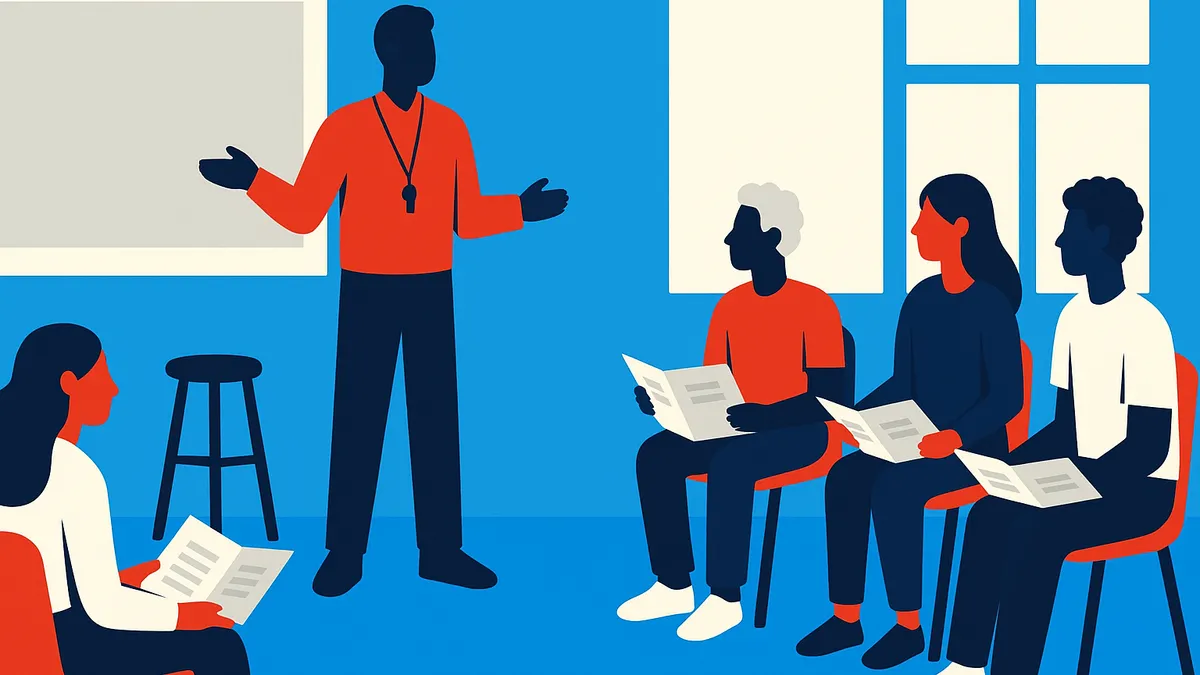
Picture a room of tenth graders who expect another adult to tell them to try harder. A Boost coach does not open with a rule or a list of skills. The coach asks each student to picture the life they want. That is the first move of week one, and it explains most of what follows. If you are weighing the program, the question we hear most is what happens in a Boost program session, so we will walk you through the first one. We describe the order of ideas, not a stopwatch, because Boost is designed to be flexible for school-day sessions, and we will say plainly where our written materials stop.

What Happens in a Boost Program Session on Week One?
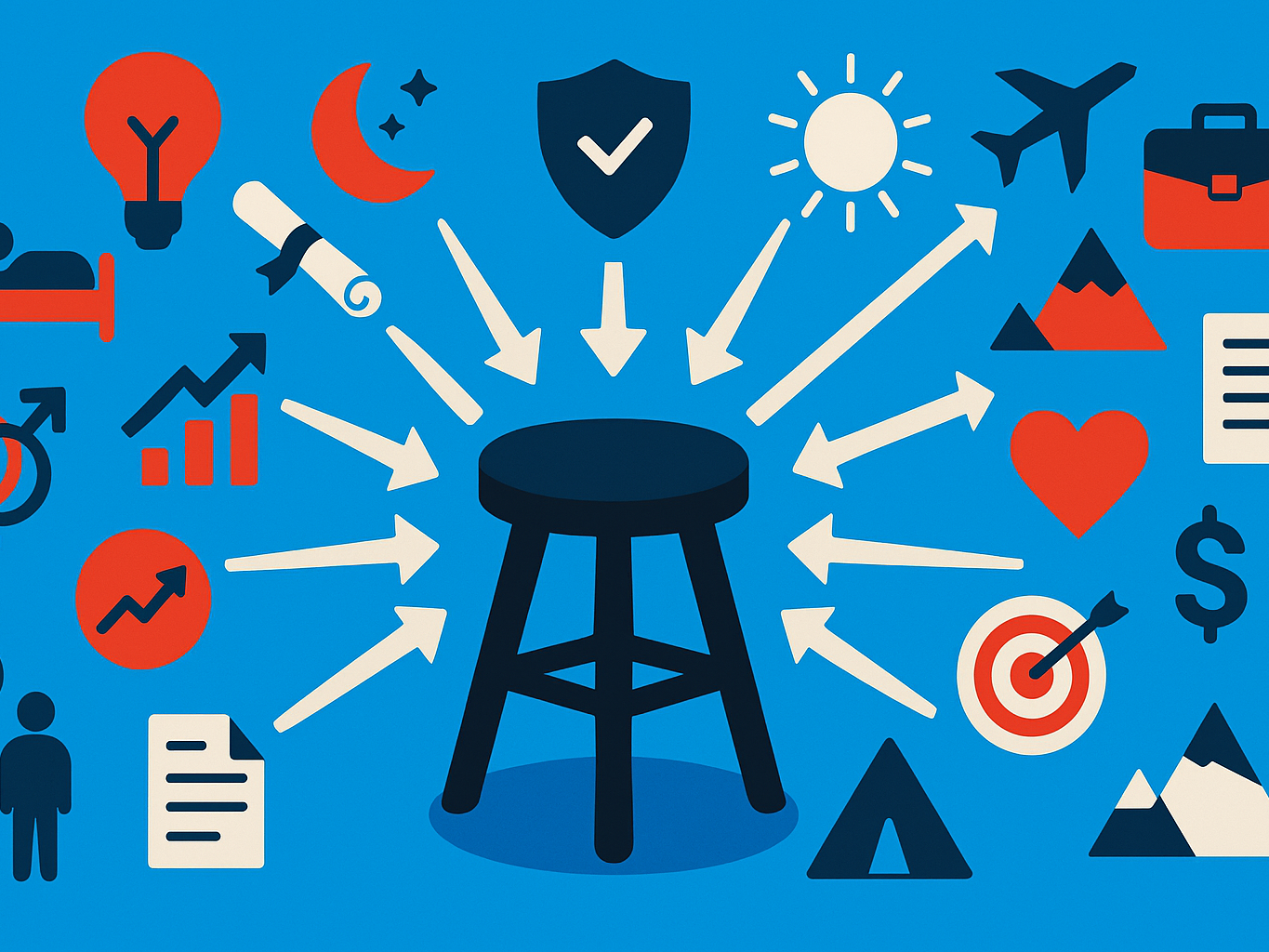
Week one teaches students that life is skill-based, and it builds that idea from their own goals. The first of eight weeks is titled The Skills That Build the Life You Want. According to our program materials, it covers what thriving looks like, the Boost Success Gap (the distance between a young person who has these skills and one who does not), the three-legged stool of People Skills, Character, and Healthy Mindset, the brain chemistry framework we call D.O.S.E., and a visioning exercise about the student's future self [Internal: Boost Brand Bible].
Each Boost session follows the same shape: a lesson, practice, and discussion [Internal: Boost Bible]. The materials describe video, discussion, worksheets, role-play, and reflection as the core methods, with students and a sponsor, meaning an adult mentor, completing the workbook together [Internal: Boost Program Research Paper]. The materials describe role-play as especially important in the People Skills portion, and they do not itemize the exact mix of methods in week one, so we describe the sequence of ideas rather than a script.

How Does a Boost Coach Open the First Session?
A coach opens by asking every student to picture what they want their life to look like, before teaching any skill. It is their picture: athlete, artist, business owner, parent. The coach then shows them that every one of those pictures requires the same set of skills [Internal: Boost Bible]. Our materials describe the effect this way: when a teenager connects a life skill to their own dream, they lean in. That is our description of what coaches see, not a measured result.
The opening also does a quiet job for classroom norms. It sets the tone that this is a course to participate in, not a lecture to endure. That matters, because Gallup's 2024 Iowa survey found that just 10% of students strongly agreed they enjoy their classes (Gallup). It is a single-state survey of 962 students, so we use it as a signal and not a national figure. Teenagers do not need to be sold on school, but they do respond when the work is tied to something they want.
What Is the Core Lesson, and Why Does the Why Come First?
The core lesson is that life is skill-based, and the why comes first because students practice what they understand the point of. Our framework is the 101 and 201 idea: teach the why, then practice. In Boost language, the 26 skills are foundations, like basic math before algebra, and week one shows students why they are worth building [Internal: Boost Brand Bible]. The entry point is a single idea: the things that decide whether you thrive, such as relationships, respect, resilience, and career, are learnable skills and not fixed traits or luck. Our explainer on what life is skill-based actually means goes deeper.
Outside research supports treating these as teachable. Economist James Heckman and Tim Kautz wrote that "soft skills predict success in life, that they causally produce that success, and that programs that enhance soft skills have an important place in an effective portfolio of public policies" (Heckman and Kautz). The Gallup survey adds a student-side view: 44% of high schoolers felt prepared for life after graduation, only 11% felt very prepared, and students who take ownership of learning skills were 53% more likely to feel prepared. One caution: Gallup's data comes from Iowa students and is not a test of Boost.
How Do Students Practice and Reflect in Session One?
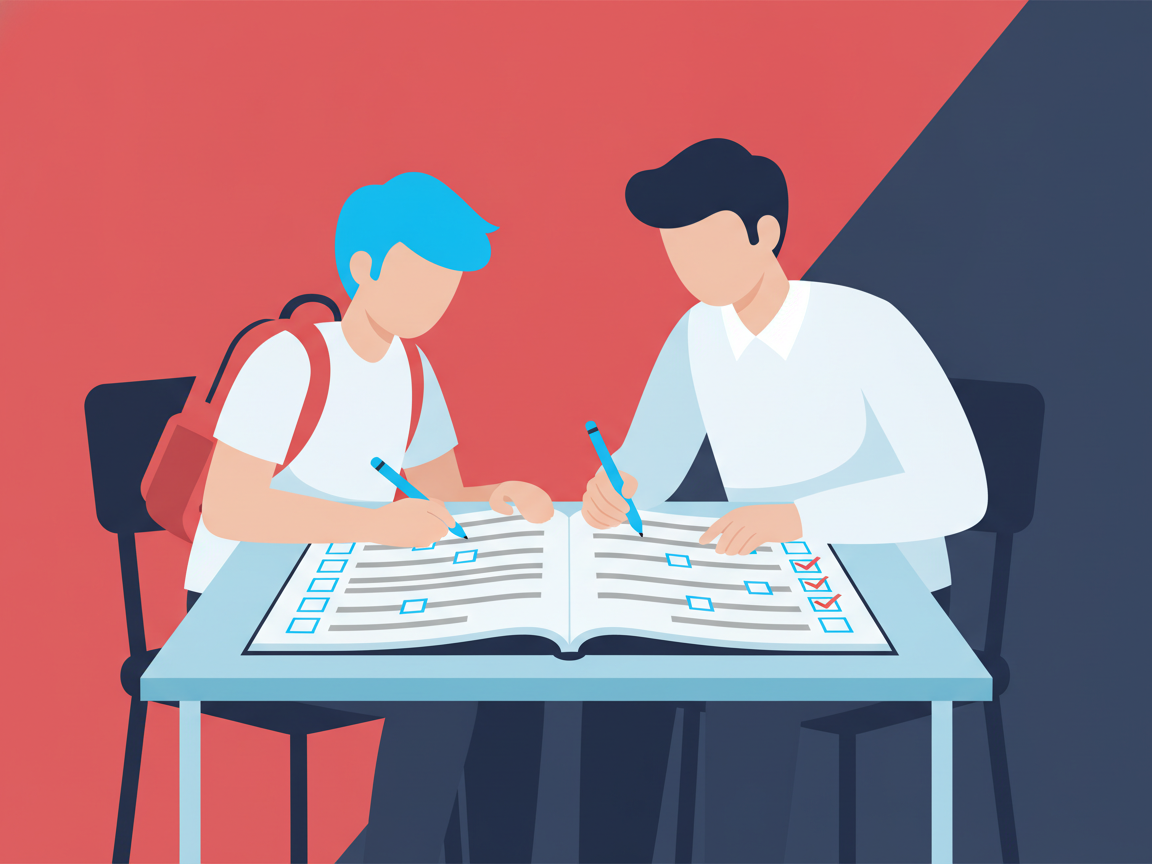
Students practice and reflect by working through the workbook and discussing it, starting with a baseline of where they are now. The Striving to 100 assessment has the student and a sponsor each rate the student from 1 to 5 across twenty skill questions, such as greeting others, making eye contact, listening, honesty, and goal-setting. It is repeated at the end so the student can compare perceived growth [Internal: Boost Program Research Paper].
The baseline serves two purposes. It gives students an honest picture of their starting point without a grade attached, and it gives your school a before and after. We should be clear about what it is: a self-assessment, not independent outcome data. Our pilot, with about 30 students, asked on day one and the last day whether students felt there is a set of specific skills that lets them get what they want in life. 20% answered "Absolutely" on day one and 87% on the last day, and the only consistent suggestion was more role-play and more time [Internal: Boost Bible]. It is a small, self-reported pilot, so treat it as a signal and not proof. Our deeper look at the Boost formula explains how the practice builds over the eight weeks.

What Should an Observing Administrator Look For in Week One?
Watch for whether students connect the lesson to their own goals, not for whether the room is quiet. These look-fors are our suggestions, built from what the program is designed to do, not an official rubric.
- Are students talking, or only listening? Discussion and worksheets are central.
- Can a student say why a skill matters to the life they described? That is the why landing.
- Is the coach teaching the idea that life is skill-based, rather than lecturing about behavior? Students should not be framed as broken. They are untaught.
- Is practice built in? A good session ends with students doing something, not just hearing something.
Week one then sets up the other seven: likeability and people skills in week two, skills that earn respect in week three, skills that power growth in week four, you versus your phone in week five, controlling your mind and creating calm in weeks six and seven, and a personal Boost Blueprint in week eight [Internal: Boost Brand Bible]. A student who leaves week one believing skills can be built is ready to practice them. As one 9th grade student wrote, "I think that everyone should know of and practice these skills and implement them in their lives" [Internal: Boost Website Knowledge Base]. Our overview of what the Boost Program is covers the full picture. If you would like to observe a session or talk through scheduling, you can schedule a discovery call.

Frequently Asked Questions
What Happens Minute by Minute in Session One?
Our written materials describe the order of ideas, not a minute-by-minute script. A session combines a lesson, practice, and discussion, and week one covers the why, the three-legged stool, and a baseline self-assessment.
How Do Students Respond to the First Session?
Our materials describe students leaning in when skills connect to their own goals, but that is an observation, not a measured result. In a small self-reported pilot, 87% said "Absolutely" on the last day versus 20% on day one.
What Should an Observing Administrator Look For?
Look for student discussion, a clear link between each skill and a student's own goals, and practice built into the session. Watch whether the coach teaches that life is skill-based instead of lecturing about behavior.
Who Delivers the Program?
Certified Boost coaches or trained staff members deliver the 8-week curriculum. It teaches 26 Boost Skills across three pillars.
References
- Gallup, How Student Agency Can Boost Engagement and Readiness
- Heckman and Kautz, Hard Evidence on Soft Skills
- What Life Is Skill-Based Actually Means, and Why It Changes Everything for Students
- Inside the Boost Formula: How We Turn 26 Skills Into Behavior Change
- What Is The Boost Program?
Ready to bring Boost to your school?
Schedule a discovery call to see how the Boost curriculum fits your students.
Schedule a Discovery Call